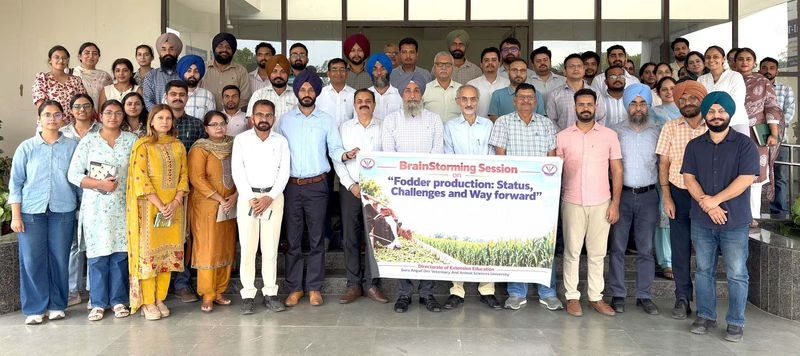
Eighty-six participants attended a brainstorming session on fodder production at a veterinary university in Ludhiana. Organisers stated that the event brought together experts to discuss improving fodder supply and livestock health. The discussions aimed to address critical feed shortages for dairy animals and support farmers across the region.
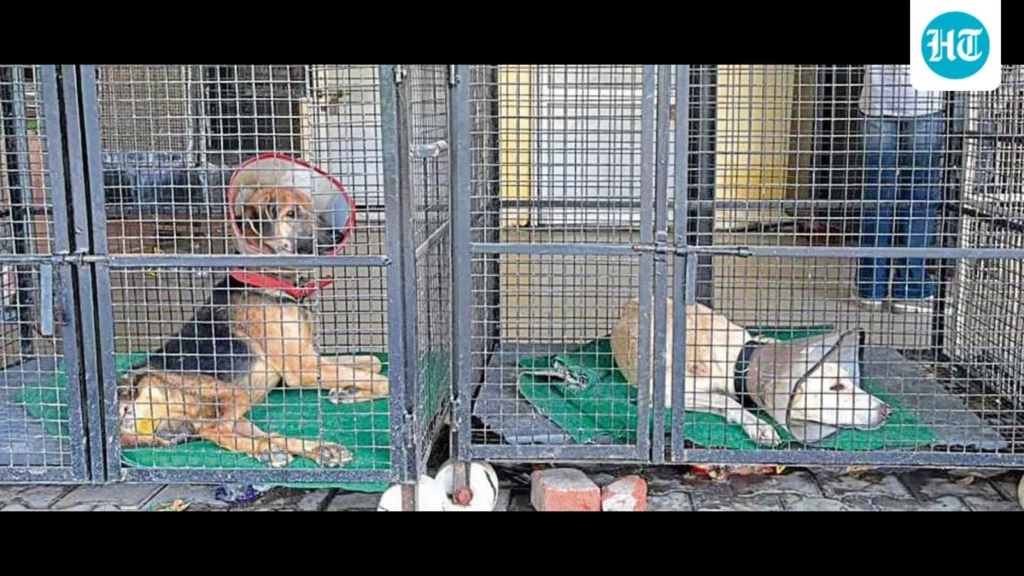
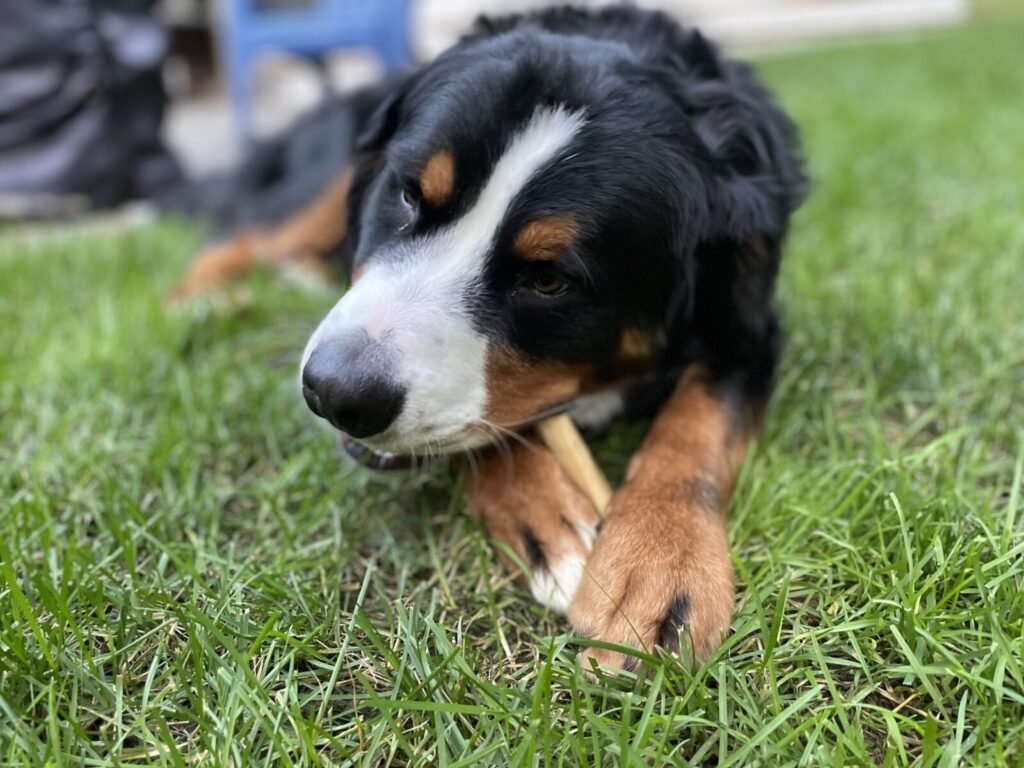
Four abandoned pedigree dogs are struggling to adjust to life in a kennel in Ludhiana, Punjab. Caretakers stated that the dogs find it difficult to cope with the sudden change in their environment. Officials noted that proper veterinary care will continue while authorities assess their condition.
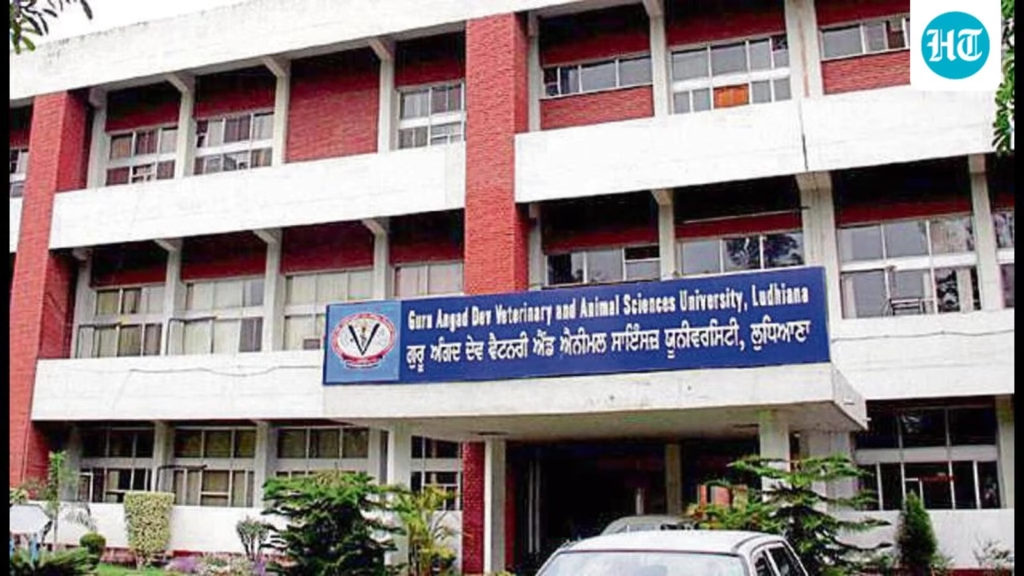
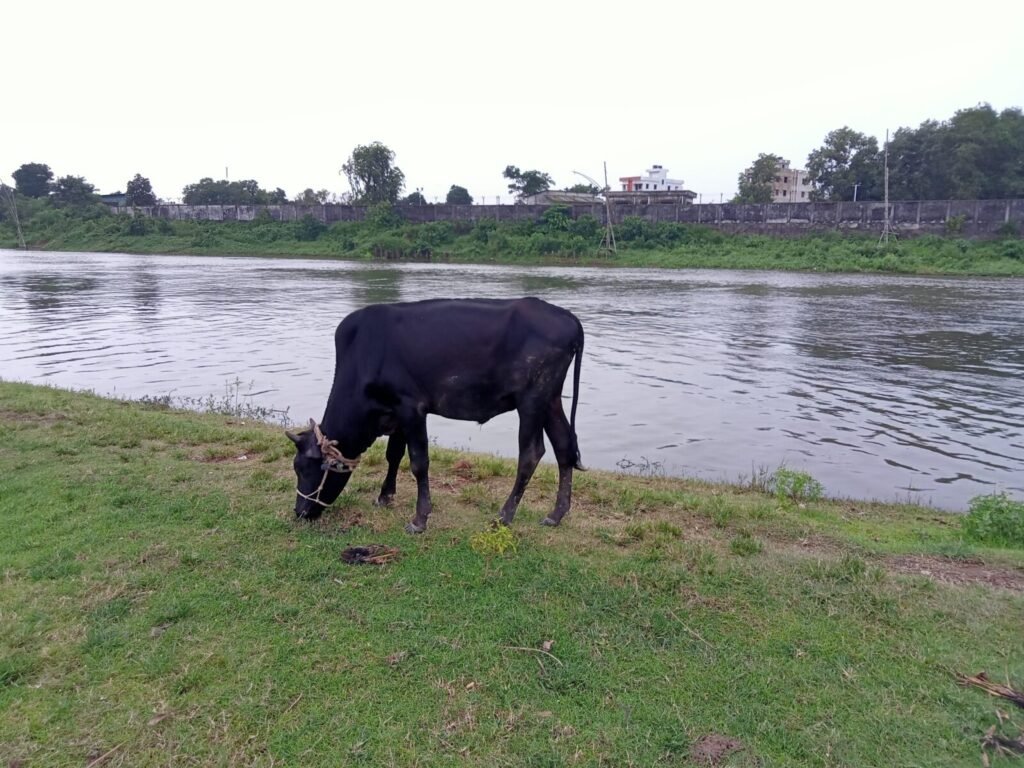
A total of 86 people attended a brainstorming session on fodder production at the vet varsity in Ludhiana, Punjab. Guru Angad Dev Veterinary and Animal Sciences University plans to set up a centre of excellence there to tackle the fodder crisis affecting dairy animals and gaushala cattle. The university stated that the facility will address shortages and improve feed availability. Officials said the initiative will help dairy farmers manage nutrition issues and reduce fodder costs.
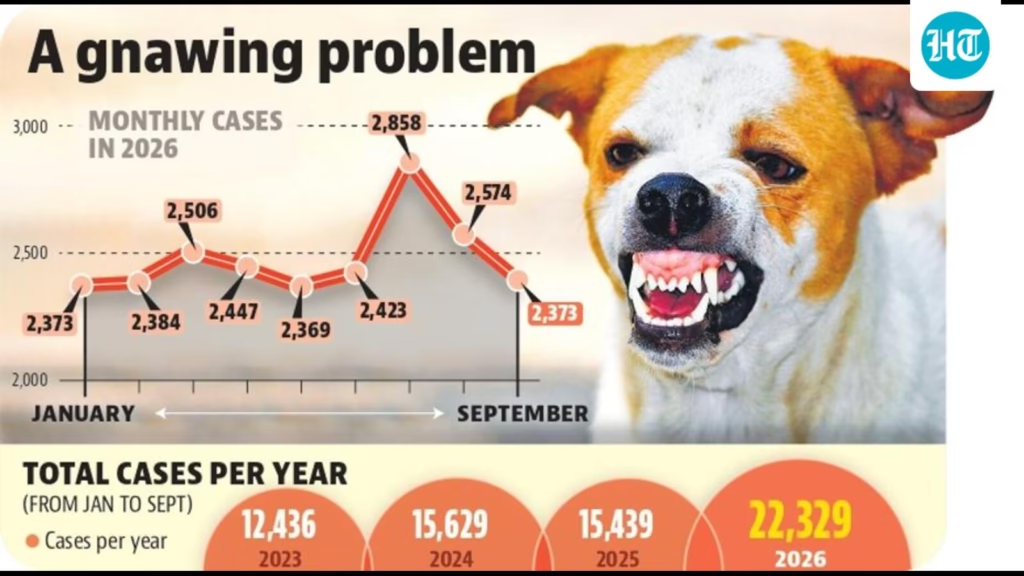
Stray dogs bite an average of 82 people every day on the streets of Mohali in Punjab. The health department in SAS Nagar district tracked these cases while the Municipal Corporation Mohali worked with an NGO to address the situation. Health officials said many victims are children and elderly residents who require anti-rabies vaccinations at government hospitals. The Municipal Corporation Mohali stated it carries out sterilisation under the Animal Birth Control Rules, 2023, to manage the population of stray dogs. A health official stated that "the daily influx of patients with animal bites has put a strain on medical resources" at local facilities. Authorities plan to expand the capacity of animal birth control centres and conduct a census to identify areas with high animal populations.
The Government of India announced on 22 Jul 2026 a set of measures aimed at bolstering veterinary services, widening the reach of dairy cooperatives, and improving the management of stray dogs across the country. The plan includes upgrading veterinary infrastructure, expanding cooperative networks for milk producers, and introducing new programs for stray-dog control and welfare. These ongoing and planned efforts seek to strengthen animal healthcare, accelerate dairy development, and enhance humane stray-dog management nationwide.
The Indian government announced a programme to enhance the dairy and livestock sector. The initiative involves constructing additional infrastructure, introducing digital reforms, and expanding veterinary services. Union Minister for Fisheries, Animal Husbandry and Dairying Shri Rajiv Ranjan Singh informed the Lok Sabha about these measures, clarifying that there is currently no proposal to introduce a Minimum Support Price for milk. Officials reported that 113 Animal Husbandry Infrastructure Development Fund projects worth ₹4,700.13 crore have been approved in Maharashtra, with an interest subvention of ₹123.46 crore released.
The Ministry of Health and Family Welfare issued a notification amending the Drugs Rules, 1945, to expand veterinary vaccine testing functions at the Central Drugs Laboratory. Published under Gazette Notification G.S.R. 65(E) on the 28 Jan 2026, under the Drugs and Cosmetics Act, 1940, the update applies to the Central Drugs Laboratory at the Chaudhary Charan Singh–National Institute of Animal Health located in Baghpat, Uttar Pradesh. The rule expands the institute's testing capacity from only two veterinary vaccines to 42 veterinary vaccines, covering biologicals used for dogs, horses, poultry and livestock. In practice, this enhancement helps streamline regulatory clearance, reduce testing timelines for manufacturers, and ensure quality-assured vaccines reach the market for animal welfare.