Delhi Chief Minister Rekha Gupta assured animal welfare activist Jagriti Mishra of complete support for animal welfare initiatives in Delhi, as reported by Prokerala. The meeting took place after Mishra approached the Chief Minister to discuss community animals and stray dogs. Gupta stated that her administration remains fully committed to protecting stray dogs and improving infrastructure for animal welfare across the capital. Mishra expressed gratitude for the assurance, pointing out that stronger administrative backing helps animal welfare workers address cruelty against stray dogs more effectively. Officials from the animal welfare department attended the discussion to review ongoing sterilization and vaccination programs for stray dogs. Further meetings between the government and animal welfare groups will be scheduled to monitor the implementation of animal welfare policies.
MCD sterilised and immunised 65,784 stray dogs till August this year in Delhi, according to an RTI reply. The Municipal Corporation of Delhi stated these figures regarding the street dogs under its animal welfare work. Readers can use these official figures to monitor local animal birth control progress.
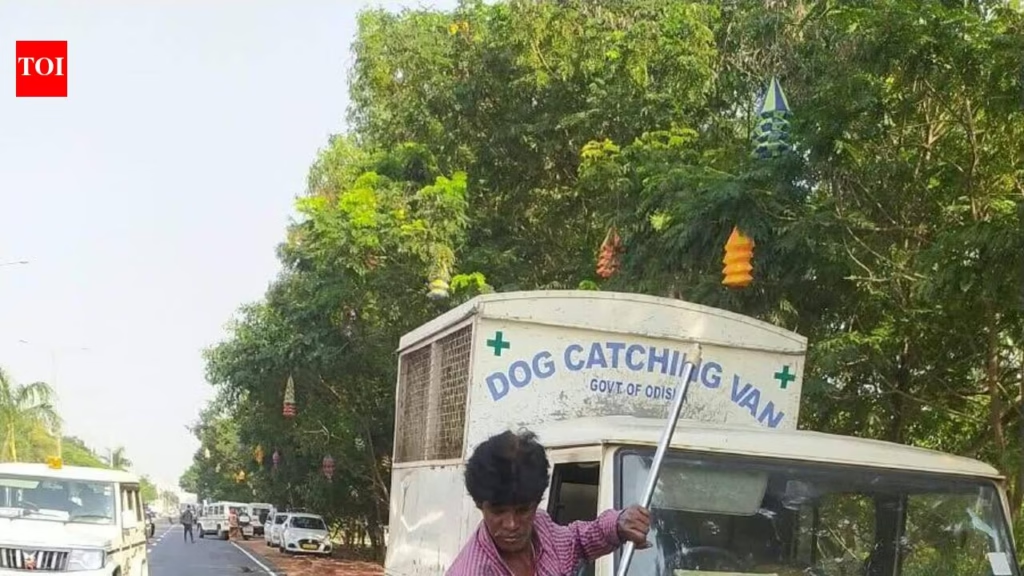
Bhubaneswar’s BMC ran a special drive to clear stray cattle and dogs from the route taken by Prime Minister Narendra Modi on Sunday. The civic body deployed cattle‑catchers and dog‑catching squads along the stretch between Jayadev Vihar, Biju Patnaik International Airport and sections of National Highway‑16, with officials keeping constant vigilance, BMC said. Additional Commissioner Kailash Chandra Dash reported that about 50 stray cattle were caught and shifted to the Jamukoli shelter and a similar number of stray dogs were moved to kennels, adding, “Our teams were stationed at strategic locations to drive away cattle from the roads.” Animal Birth Control programme in‑charge Debi Prasad Kund said the cattle will remain in a goshala with arranged food, shelter and healthcare and will not be released back onto city roads. The action targets the chronic stray‑cattle problem that frequently blocks traffic and causes minor accidents in the state capital.
The Tambaram City Municipal Corporation (TCMC) recorded 6,751 dog-bite cases between January and Sep 2026, while vaccinating 41,485 street and pet dogs and sterilising 5,491 during a 25-day special drive, officials said. TCMC carried out the vaccination drive from August 8 across all 70 wards in its five zones, spending Rs 18 lakh from its general funds. The corporation had aimed to vaccinate 70% of the dog population but achieved much higher coverage, according to officials. A joint survey by TCMC and the World Veterinary Service estimated the corporation's total dog population at around 51,000, including an estimated 46,286 street dogs and 4,000 to 5,000 pet dogs. The drive also targeted internal and external parasites in dogs, with the goal of reducing the risk of rabies among people and animals. TCMC maintains a network of 31 urban public health institutions, including 13 urban primary health centres, stocked with anti-rabies vaccines to treat bite victims.
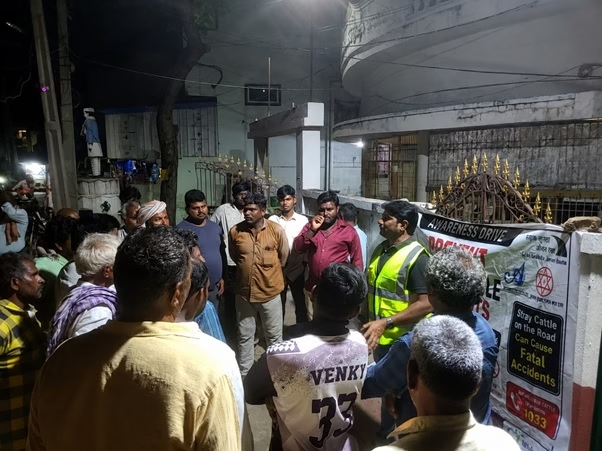
The National Highways Authority of India is stepping up actions to reduce road accidents involving stray animals on national highways. As part of ongoing safety initiatives, four vulnerable locations and three accident black spots in the Chilakaluripet–Vijayawada Section of NH-16 are under continuous monitoring. Regular stray animal removal drives are being conducted across designated sections and bypasses, supported by Incident Management Teams and Route Patrol Vehicles carrying out round-the-clock patrolling. The agency also urges motorists to drive cautiously, adhere to speed limits, and report emergencies using the 24 by 7 national highway emergency helpline.
The Government of India announced on 22 Jul 2026 a set of measures aimed at bolstering veterinary services, widening the reach of dairy cooperatives, and improving the management of stray dogs across the country. The plan includes upgrading veterinary infrastructure, expanding cooperative networks for milk producers, and introducing new programs for stray-dog control and welfare. These ongoing and planned efforts seek to strengthen animal healthcare, accelerate dairy development, and enhance humane stray-dog management nationwide.
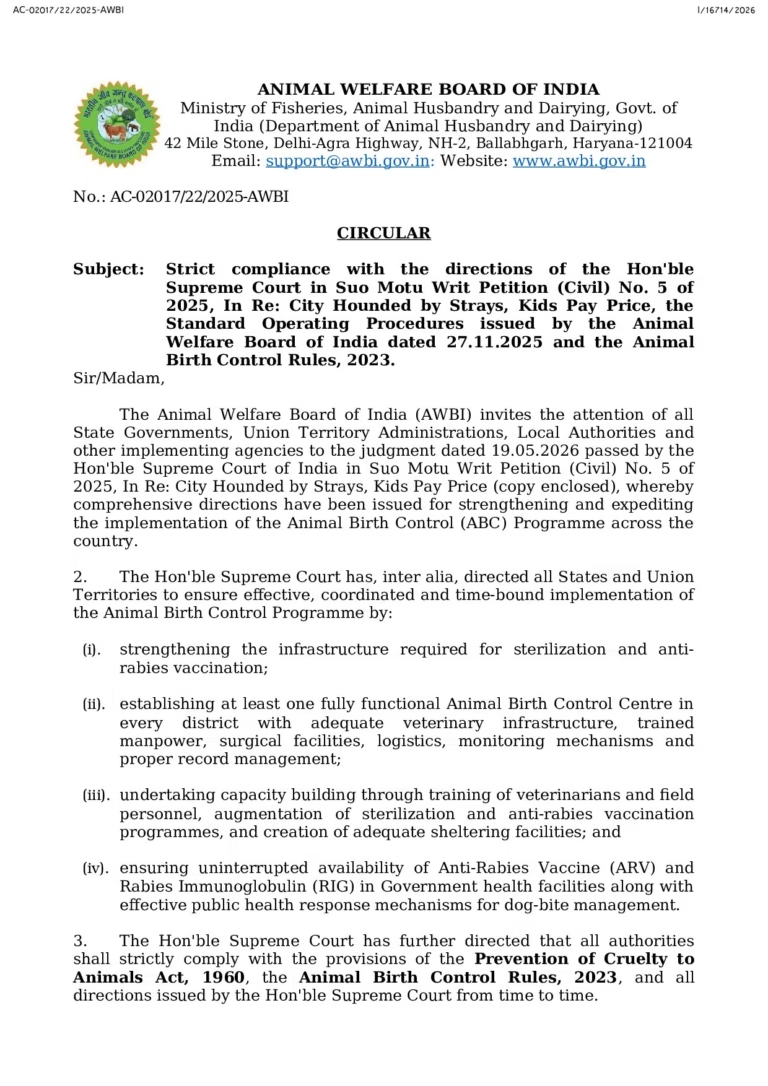
The Animal Welfare Board of India issued a circular requiring strict adherence to stray dog management regulations. The notice mandates compliance with Supreme Court of India orders from a 2025 case, the board's standard operating procedures, and the Animal Birth Control Rules, 2023. These directions apply to all state governments, union territory administrations, local authorities, and implementing agencies across the country.