
From letters to the Supreme Court to a year-round resource for animals. Read the story

Following SC order, Chandigarh MC initiates steps for stray dog management, welfare

Following SC order, Chandigarh MC initiates steps for stray dog management, welfare

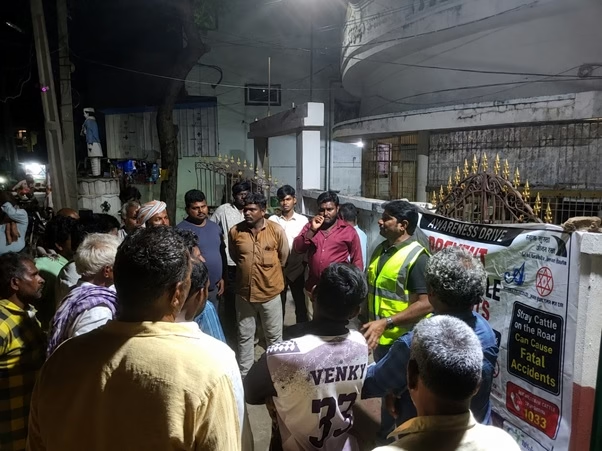
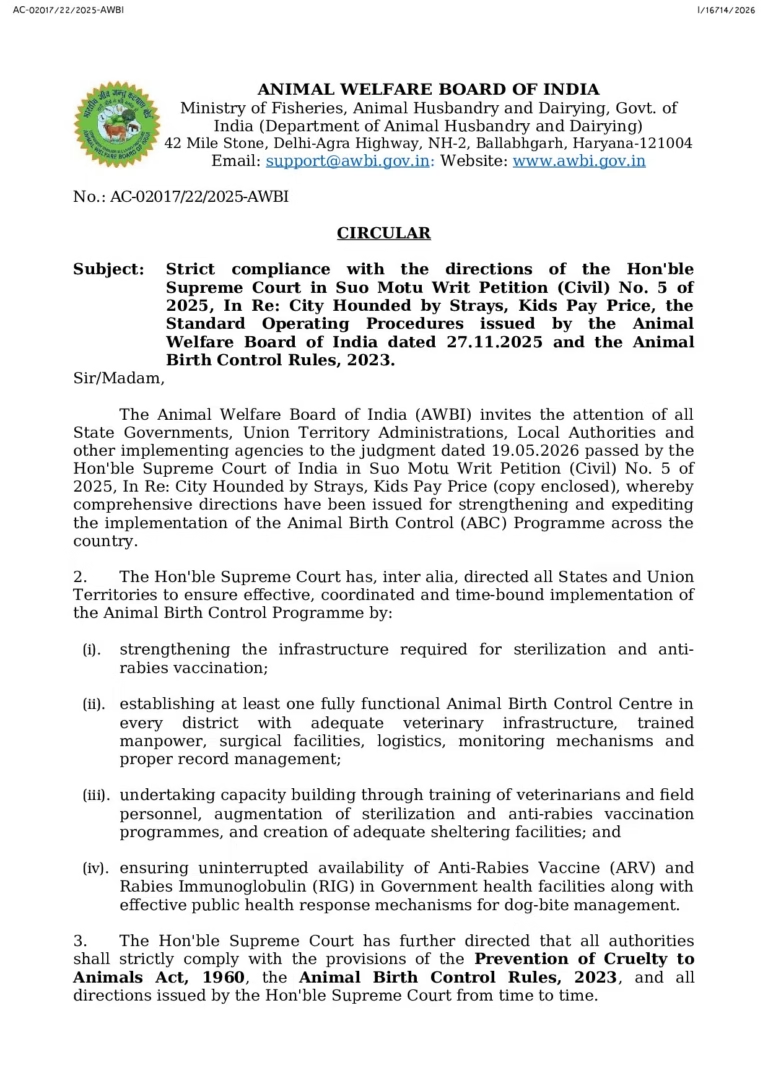
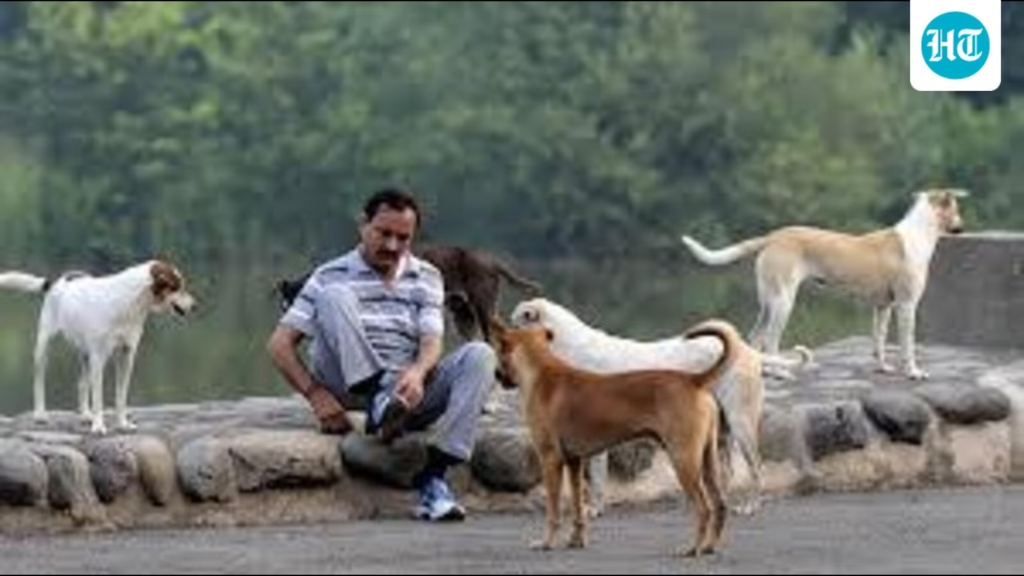
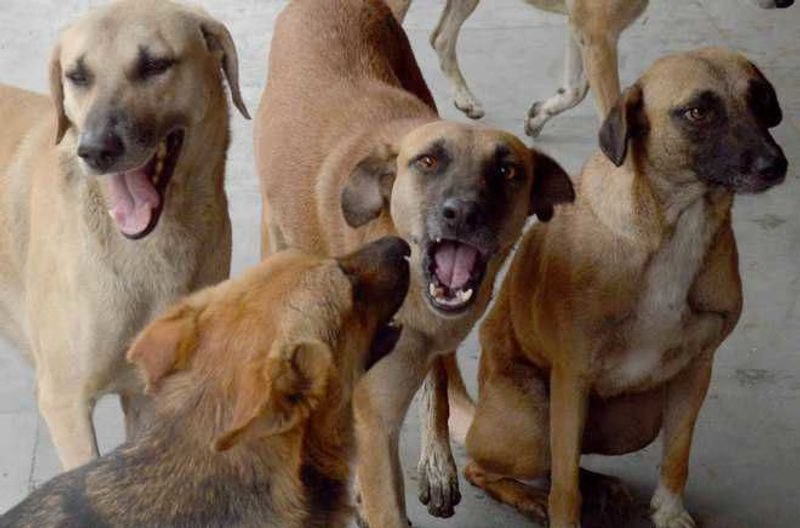
Chandigarh‘s Municipal Corporation has started implementing measures for the management and welfare of stray dogs. Following a directive from the Supreme Court of India, this action aims to address the issues related to the stray dog population in the area. Municipal Corporation commissioner Amit Kumar stated that 200 feeding spots have been identified across various sectors to facilitate organised, hygienic, and conflict-free feeding. All educational institutions, universities, and campuses have been instructed by the administration to appoint nodal officers to manage stray dog matters within their premises.

Sources

Read the original (opens in a new tab)Summary written by Animal Writes. Read the original before relying on it.

More in Community Dogs

  • Activists flag risks to community animals under draft lab rules

    News

    Activists flag risks to community animals under draft lab rules

    Activists from Peedus People warned draft laboratory animal rules could expose community dogs, cats, cows and wildlife to experimentation during a protest at Sector 17 Plaza and Elante Mall in Chandigarh. The campaign was organized by the animal‑welfare organisation Peedus People and took place on Friday in the commercial hubs of Chandigarh, Punjab. Former Union Minister Maneka Gandhi said the proposal could allow animals to be sourced from roads, markets and unregistered establishments, while PETA India warned the draft may permit experiments on community animals and the capture of wild species under vague scientific justification. Veterinarian Dr Manish Rathee cautioned that the rules could enable backyard breeding, illegal capture and abandonment of community animals, and Sahil Sharma, president of Salute The Trees, said “Animals are living, sentient beings, not laboratory commodities to be exploited in the name of scientific progress.” The draft seeks to replace the 1968 and 1998 rules, with November 5 set as the last date for filing objections to the Committee for Control and Supervision of Experiments on Animals (CCSEA).
  • Mp high court directs probe into two more tiger deaths at kanha national park

    News

    Mp high court directs probe into two more tiger deaths at kanha national park

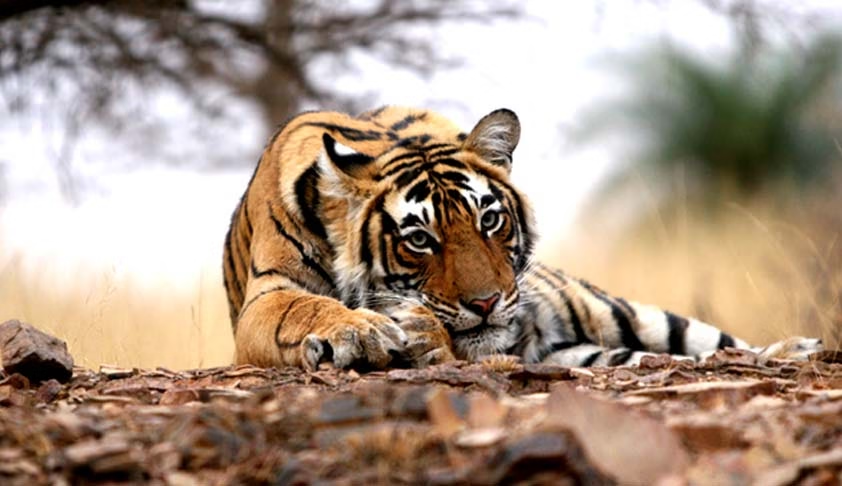
    The Madhya Pradesh High Court ordered a probe into two additional tiger deaths at Kanha Tiger Reserve in Madhya Pradesh. The division bench of Chief Justice Alpesh Y Kogje and Justice Vivek Jain gave the State two weeks to submit findings, with the matter listed for hearing on 16 Nov 2026. The public‑interest litigation was filed by an advocate who warned that the recent deaths of tigress T‑141 and her four cubs, tigress T‑122 and tiger T‑220 between March and May 2026, raise serious concerns about compliance with statutory safeguards under the National Tiger Conservation Authority framework. The petition relied on communications from the Indian Veterinary Research Institute, which said Canine Distemper Virus (CDV) was prevalent among domestic dogs and urged mandatory surveillance, post‑mortem testing and exclusion of stray dogs from buffer zones. The court previously directed the Union and State governments to detail preventive and curative steps and issued an interim order that “immediately start vaccination of the dogs who are moving in that periphery/territory where the tigers move.” The State reported that more than 2,000 dogs have been vaccinated and must now file a progress report on the programme.

  • Shivamogga elephant mishap renews debate over use in Dasara processions

    News

    Shivamogga elephant mishap renews debate over use in Dasara processions

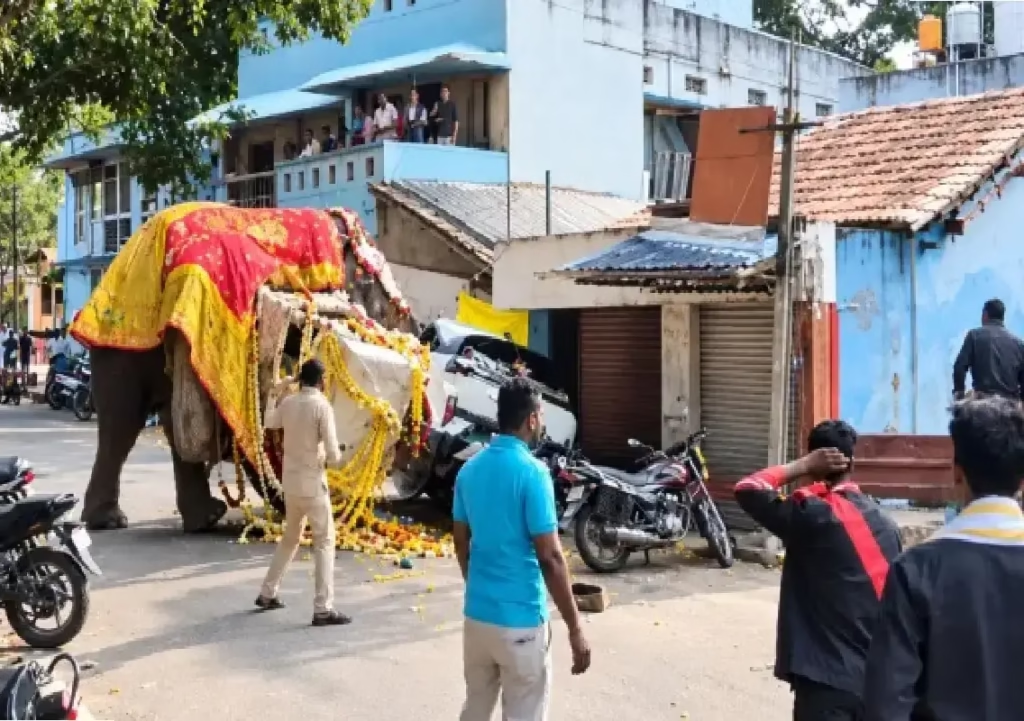
    A trained elephant ran amok during the Shivamogga Dasara procession in Shivamogga, Karnataka, prompting renewed debate over elephant use in religious festivals. The state Forest Department said it will consider stricter conditions for permitting elephants in future religious and cultural processions. A Mysuru‑based expert working with the Forest Department warned that many captive elephants are taken from the wild and that their bodies are not designed to carry heavy loads such as the Golden Howdah. Suparna Ganguly, trustee of Compassion Unlimited Plus Action, said “elephants are sensitive to noise and may become distressed by firecrackers, loud music, crowds and traffic.” Raman Sukumar, former chairman of the Karnataka Elephant Task Force, suggested mechanised elephants or a lighter ambari as alternatives, noting that existing government directives and court orders already limit certain elephant activities.

From the Library