From letters to the Supreme Court to a year-round resource for animals. Read the story

Gaushalas full: Panchkula streets turn into open air cattle pounds

Gaushalas full: Panchkula streets turn into open air cattle pounds

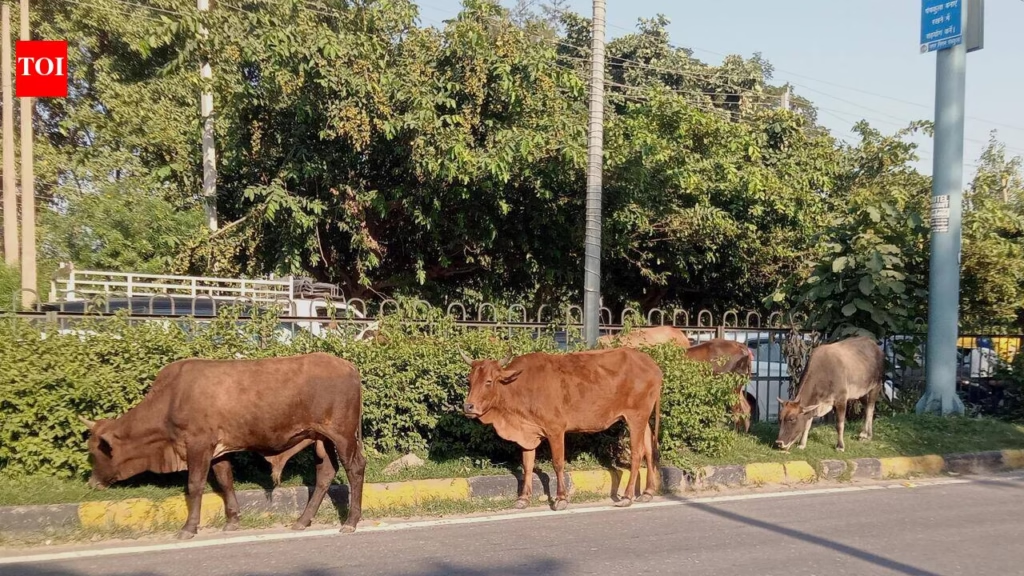
Stray cattle roaming freely across public spaces in Panchkula, Haryana, have turned city streets into open-air cattle pounds because gaushalas have reached full capacity. The Panchkula municipal corporation missed its latest deadline of August 31 from over a year ago to clear city roads of stray cattle, and its cattle-catching drive has nearly stopped due to the lack of shelter space. This overcrowding leaves animals wandering on national highways, roads, parks, and waste bins, causing traffic jams, sanitation issues, and fatal road accidents. To address the stray bulls, the municipal corporation floated tenders for a Nandishala, but the project is stuck at the bidding stage. Resident welfare groups criticized the civic body for inaction on complaints. Mohit Gupta of the Sahyog group stated, “No cattle catching teams are operational as there is no space at gaushalas.” SK Nayar, president of the Panchkula Citizens Welfare Association, urged the municipal corporation to act seriously and asked residents to stop feeding animals at non-designated spots. The municipal corporation faces ongoing pressure to create more shelter capacity and resume cattle-catching operations to clear the streets.

Sources

Read the original (opens in a new tab)Summary written by Animal Writes. Read the original before relying on it.

More in Cattle and Gaushalas

  • Rising stray dog menace at Alappuzha railway station: Passengers, staff urge action

    News

    Rising stray dog menace at Alappuzha railway station: Passengers, staff urge action

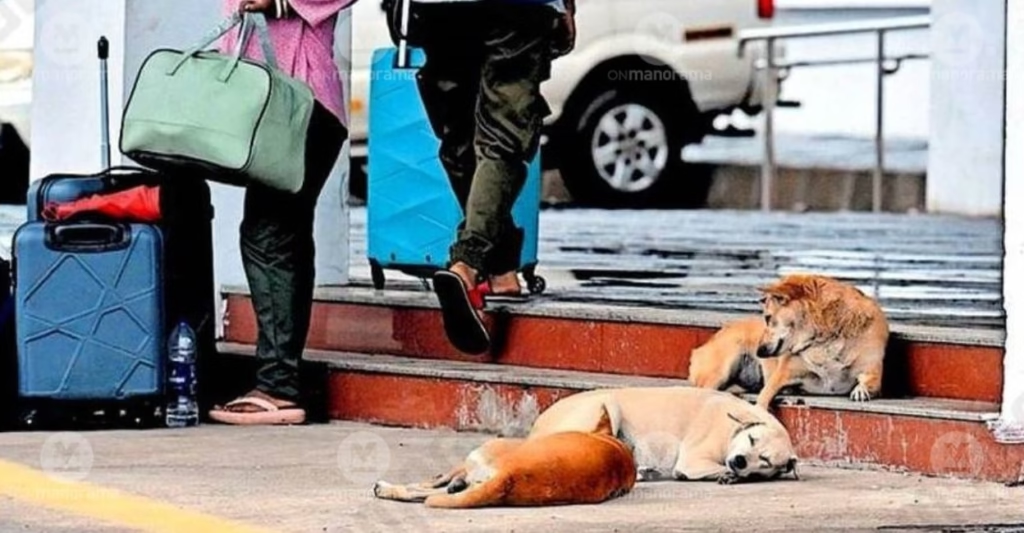
    Stray dogs are terrorising passengers and staff at Alappuzha Railway Station in Kerala, sparking widespread public outrage and safety concerns. Commuters and railway staff stated that packs of stray dogs have taken over platforms and station premises, regularly lunging, snapping, and charging at people. Station vendors alleged that loud train horns startle the animals into a frenzy, while some travellers continue unauthorised feeding on the premises despite rules prohibiting it. Station vendors reported that the dogs grow more dangerous after dark, and two dogs recently mauled each other to death on the grounds. Commuters, local residents, and station staff are demanding urgent, coordinated intervention from railway authorities, local self-government bodies, and the district administration to control the animals and protect passengers. Railway passengers can urge these authorities to enforce feeding bans and remove the packs safely.
  • Cheetah cub found injured outside protected Kuno area raises fresh questions on wildlife safety

    News

    Cheetah cub found injured outside protected Kuno area raises fresh questions on wildlife safety

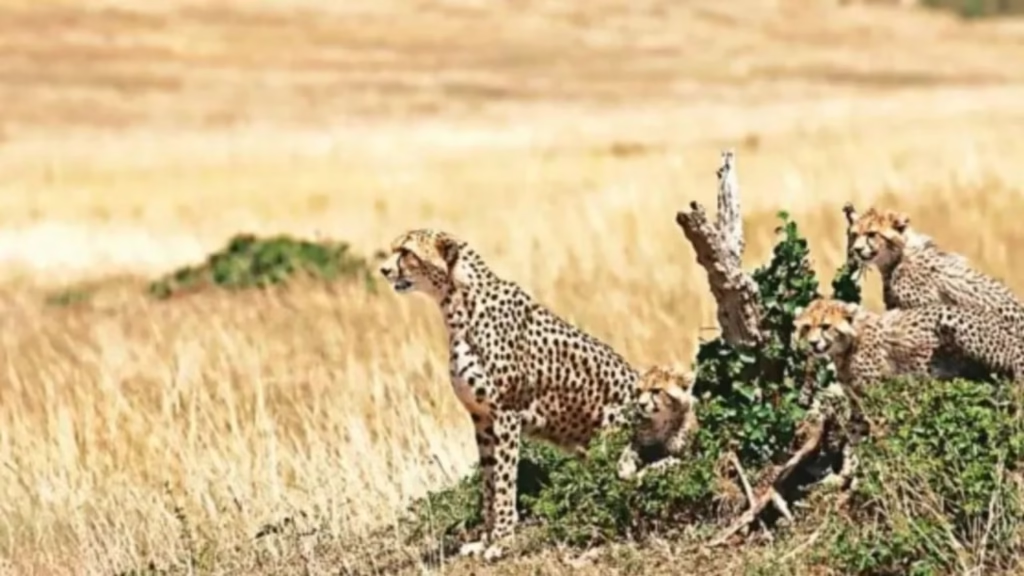
    A radio-collared 19-month-old male cheetah cub was found injured in the forests of Morena district, with poaching not ruled out. A monitoring team rescued the cub overnight, and the Madhya Pradesh Forest Department stated it was brought to Kuno National Park for medical examination and treatment. Kuno Director Uttam Kumar Sharma stated, "The cheetah has been injured and we are trying to ascertain how that happened." The Madhya Pradesh Forest Department stated that the State Tiger Strike Force has been deployed to investigate possible foul play, with medical examinations expected to help establish the nature of the injuries. Department officials are examining explanations including a possible attack by another wild animal, such as a leopard, and human involvement. In Sheopur district, two cheetahs killed two cattle calves near a house in Bamori village, prompting forest officials to urge villagers not to panic and state that livestock owners could seek compensation under existing rules. Project Cheetah began on 17 Sep 2022, with cheetahs brought from Namibia, followed by translocations from South Africa and Botswana.

  • Activist urges govt to ban elephants at Dasara events

    News

    Activist urges govt to ban elephants at Dasara events

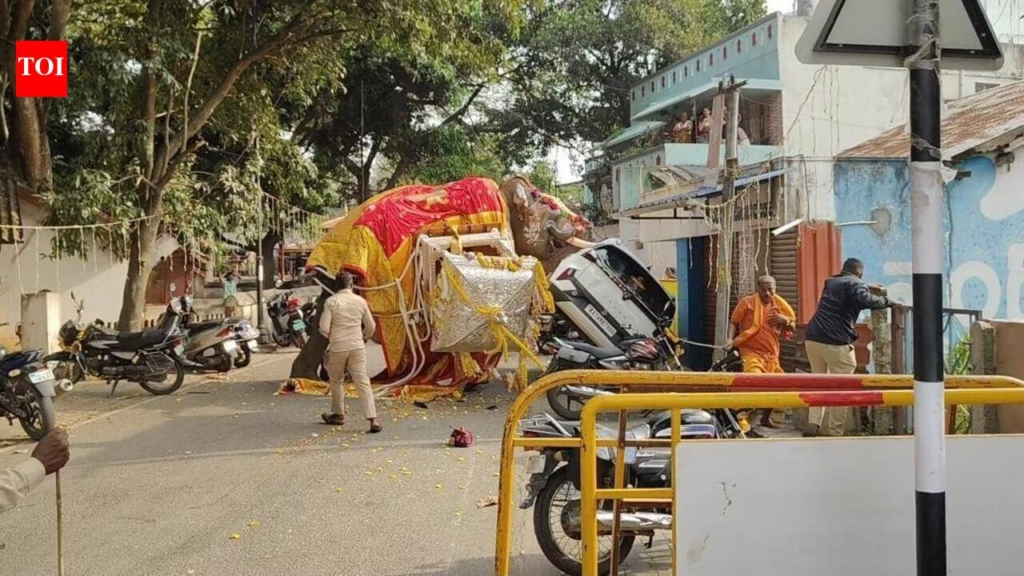
    An animal rights activist urged the government to ban elephants at Dasara events in Mysuru, Karnataka, citing animal welfare concerns. The activist stated that captive elephants suffer during such large public festivals due to loud noises, heavy crowds, and long processions. The government has not yet announced any official decision regarding the request, and authorities are expected to review the representation submitted by the activist before the next festival planning cycle begins. Animal welfare groups have frequently raised concerns over the physical and psychological toll on pachyderms used in cultural celebrations across the region. Officials from the forest department stated that they monitor the health and upkeep of participating elephants, ensuring veterinary care is provided during their stay. Public welfare bodies and citizens can write to the forest department to support humane treatment guidelines for captive elephants used in state events.

From the Library

  • Draft Prevention of Cruelty to Animals (Control and Supervision of Experiment, Breeding and Trading of Laboratory Animals) Rules, 2026

    Rule

    Draft Prevention of Cruelty to Animals (Control and Supervision of Experiment, Breeding and Trading of Laboratory Animals) Rules, 2026

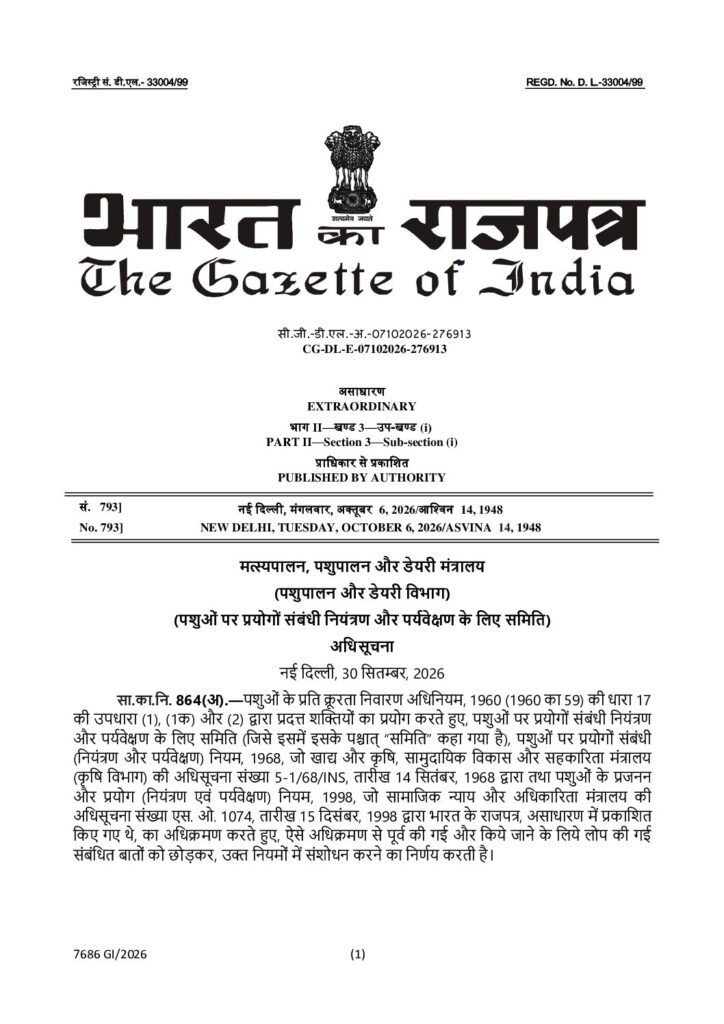
    The Committee for Control and Supervision of Experiments on Animals issued the Draft Laboratory Animals Rules, 2026 under the Prevention of Cruelty to Animals Act, 1960. The notification, issued on 30 Sep 2026, sets out updated standards for scientific and educational experiments involving animals. The new framework will replace India's older 1968 and 1998 rules on experiments on animals. Under the proposed system, each experiment would be classed as non-recovery, mild, moderate or severe. A laboratory's own institutional animal ethics committee would be permitted to approve mild and moderate procedures. The Committee for Control and Supervision of Experiments on Animals would retain approval authority for severe and non-recovery procedures performed on animals positioned above rodents and rabbits. Some farm animals, fish and birds could come from the open market with the approval of the ethics committee. The public and interested stakeholders can send formal objections or suggestions regarding the draft text to the Committee for Control and Supervision of Experiments on Animals until 5 Nov 2026.

  • Administrative (Committee for Control and Supervision of Experiments on Animals) Amendment Rules, 2026

    Rule

    Administrative (Committee for Control and Supervision of Experiments on Animals) Amendment Rules, 2026

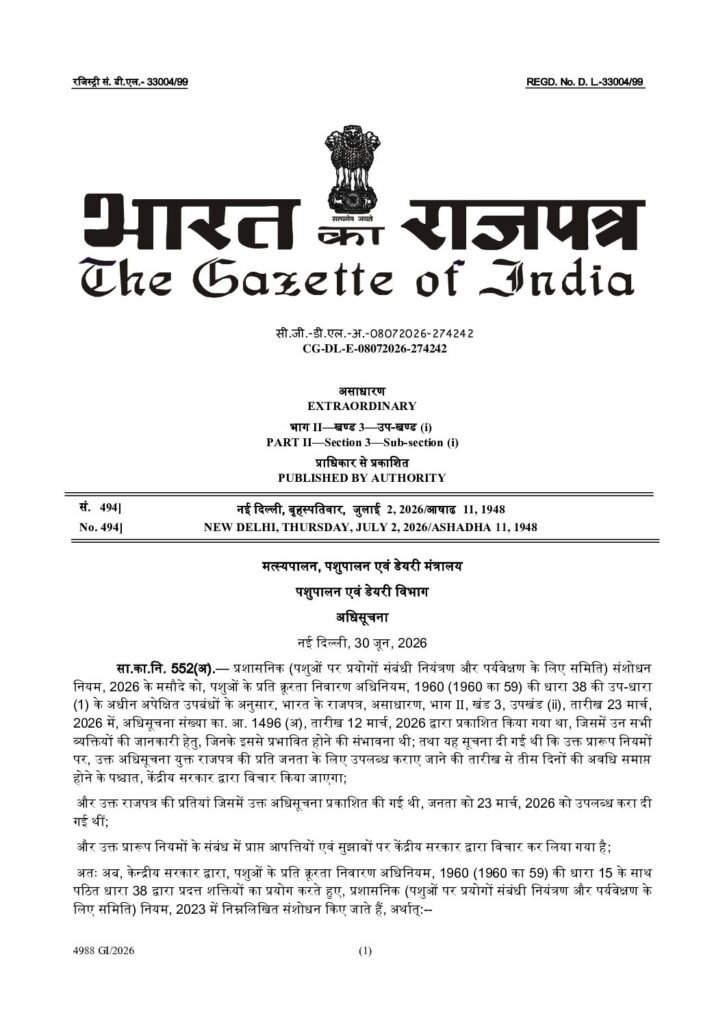
    The Ministry of Fisheries, Animal Husbandry and Dairying issued notification G.S.R. 552(E), setting CCSEA's fees for registering animal facilities, breeding, renewal, ethics committee revision, and protocols on large animals. Published in the Gazette of India under the Prevention of Cruelty to Animals Act, 1960, the document establishes processing fees of 12,000 rupees for small and large animal registration and small animal facility amendments. Breeding registration for in-house use costs 18,000 rupees for small animals and 30,000 rupees for large animals, while trade breeding is 30,000 rupees for both. Renewal costs 3,000 rupees, revision of the Institutional Animal Ethics Committee is 1,200 rupees, and large animal educational protocols cost 1,200 rupees per protocol, with non-educational protocols costing 6,000 rupees.

  • Government Notifies Expansion of Central Drugs Laboratory Functions at CCS NIAH, Baghpat for Veterinary Vaccine Testing

    Official Release

    Government Notifies Expansion of Central Drugs Laboratory Functions at CCS NIAH, Baghpat for Veterinary Vaccine Testing

    The Ministry of Health and Family Welfare issued a notification amending the Drugs Rules, 1945, to expand veterinary vaccine testing functions at the Central Drugs Laboratory. Published under Gazette Notification G.S.R. 65(E) on the 28 Jan 2026, under the Drugs and Cosmetics Act, 1940, the update applies to the Central Drugs Laboratory at the Chaudhary Charan Singh–National Institute of Animal Health located in Baghpat, Uttar Pradesh. The rule expands the institute's testing capacity from only two veterinary vaccines to 42 veterinary vaccines, covering biologicals used for dogs, horses, poultry and livestock. In practice, this enhancement helps streamline regulatory clearance, reduce testing timelines for manufacturers, and ensure quality-assured vaccines reach the market for animal welfare.