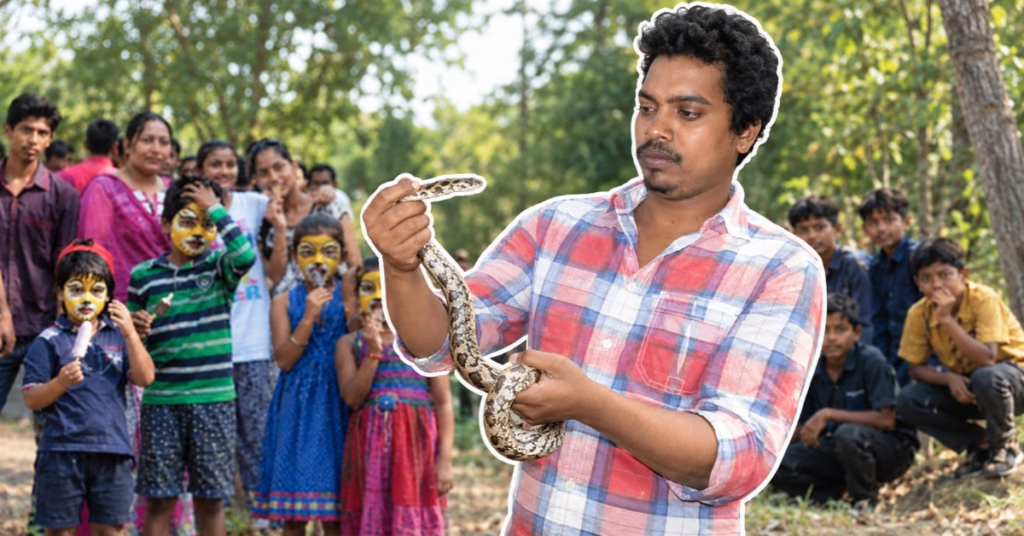
An Odisha man is training fifty volunteers in snake rescue techniques to save both human lives and reptiles across the region. The training initiative aims to equip local residents with proper handling methods to safely relocate snakes without harming them or endangering the public. The volunteers undergo practical sessions to learn how to identify different snake species and manage rescue operations safely. This effort addresses the frequent human-wildlife conflicts that occur when snakes wander into populated residential areas. The training program continues as organizers prepare the volunteers for independent wildlife rescue work. The educational sessions involve teaching participants about snake behavior, venomous versus non-venomous species identification, and the proper use of rescue equipment. Experienced handlers supervise the field practice to ensure safety protocols are strictly followed during every rescue simulation. Organizers stated that building a network of trained individuals helps reduce panic among residents and prevents unnecessary harm to wildlife when reptiles enter human settlements. The initiative seeks to bridge the gap between wildlife conservation and public safety by fostering awareness and humane treatment of animals across local communities.
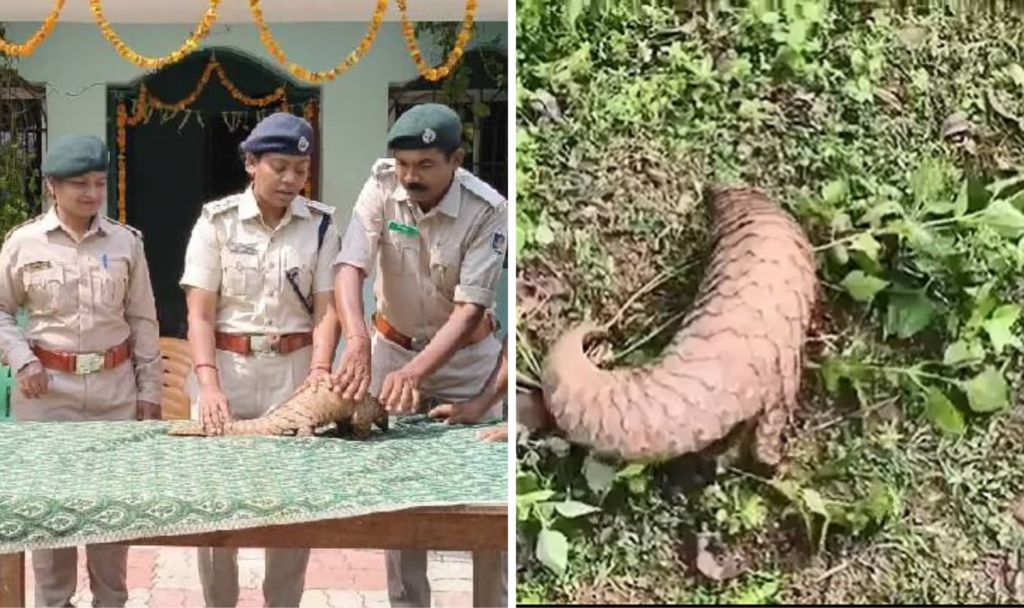
An endangered Indian Pangolin was rescued and safely released back into its deep natural habitat in Malkangiri district, Odisha. Field staff of the Balimela Range executed the rescue operation after spotting the nocturnal animal during daytime routine foot patrolling at Chitapari III village under the Balimela section. Following a mandatory health check-up, the uninjured scaly anteater was released far away from human habitation. Wildlife experts stated that the species holds special conservation status as a protected animal listed under Schedule I of the Wildlife (Protection) Act, 1972, and is classified as Endangered by the IUCN due to severe survival threats from illegal poaching and habitat loss.
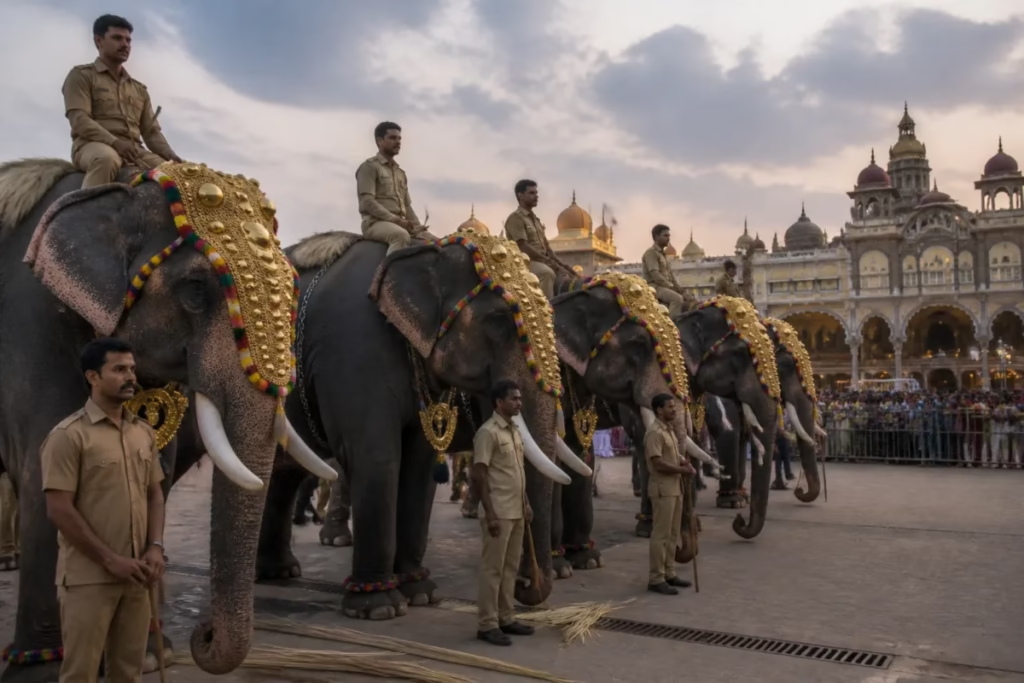
Mysuru Dasara faces elephant ban demand after safety concerns raised about captive elephants used in the festival in Mysuru, Karnataka. Animal welfare activists and concerned citizens urged authorities to stop using elephants in the celebrations due to safety risks and animal welfare issues. The petitioners asked the Karnataka Forest Department and the district administration to replace live elephants with mechanised alternatives or cultural floats. Opposing the demand, temple authorities and festival committees stated that traditional rituals require live animals. The forest department stated that veterinary teams monitor the health and stress levels of the participating elephants throughout the festival. Officials stated that a final decision on the participation of the elephants will be taken after reviewing safety guidelines and consulting stakeholders before the next festival season.
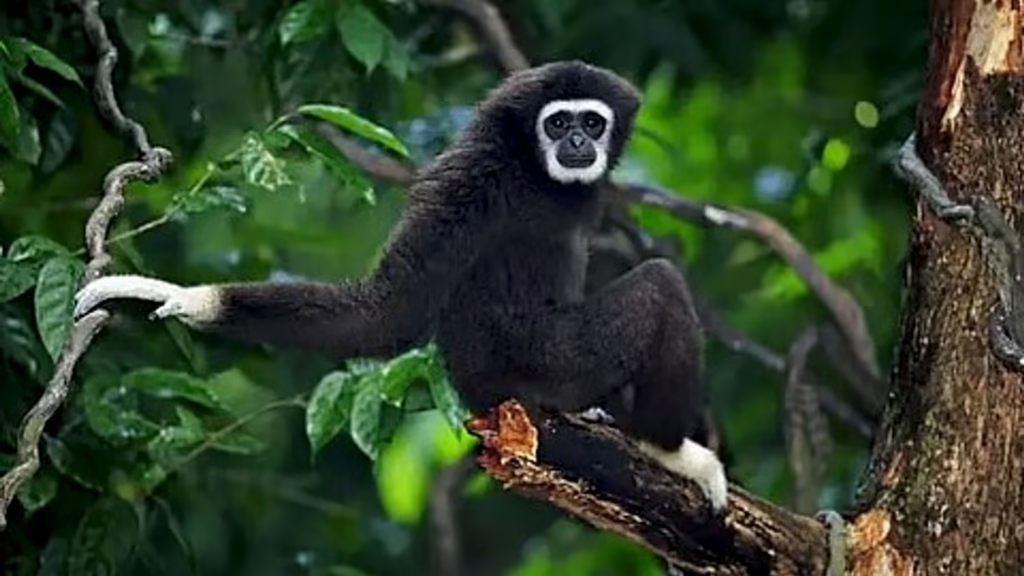
Assam rallied to protect the western hoolock gibbon, India's only ape, during International Gibbon Day 2026. The annual observance focused on survival challenges confronting these endangered primates in northeast India. The Hoollongapar Gibbon Sanctuary in Assam serves as a vital habitat for the species, which faces severe risks from habitat loss, forest fragmentation, deforestation, infrastructure development, and illegal wildlife trade. Established in 2015, the annual event aims to draw attention to the protection of small apes and their natural environments. The observance featured the theme "The forest has a voice, can you hear it?", emphasizing the need to safeguard forests and the wildlife dependent upon them. Native to tropical and subtropical forests, gibbons perform essential ecological functions by dispersing seeds and supporting forest regeneration, alongside their complex social behaviour and distinctive calls. Conservation initiatives centre on protecting forest habitats and mitigating threats across the range of these primates. Readers can support conservation efforts by raising public awareness about gibbon protection and habitat preservation.
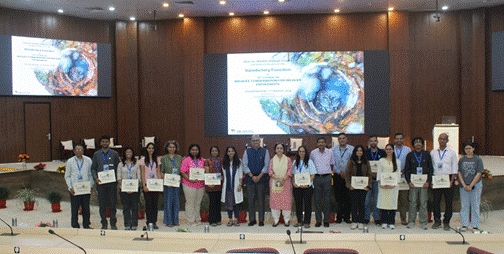
The Wildlife Institute of India held its 10th Wildlife Conservation Course for wildlife enthusiasts from 2 Mar 2026 to 11 Mar 2026, with participation of 15 individuals. Since the course began in 2012, a total of 148 participants have undergone training under this initiative. The ten-day programme included four days of lecture-based sessions and a five-day field visit to the Lansdowne Forest Division near Kotdwar in Uttarakhand. The valedictory programme took place on 11 Mar 2026, attended by Shri Ramesh Kumar Pandey, IFS, Additional Director General (Wildlife), Ministry of Environment, Forest and Climate Change.
World Wildlife Day will be observed on 3 Mar 2026. This day is dedicated to raising awareness about wildlife conservation and the importance of protecting natural habitats. The event will preserve wildlife and promote biodiversity. India is one of 17 mega biodiversity-rich countries with around 15,000 medicinal plant species, of which 8,000 are used in Indian medicine. The Ministry of Ayush organised the National Arogya Fair 2026 at Shegaon, Maharashtra, from 25 to 28 Feb 2026.
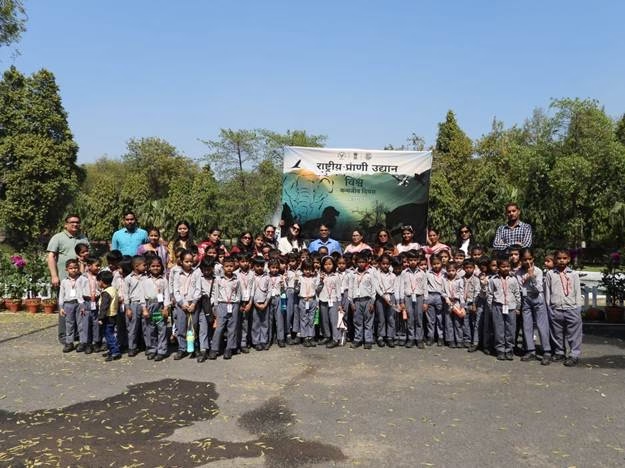
The National Zoological Park in New Delhi commemorated World Wildlife Day with various educational and engaging activities aimed at raising awareness about wildlife conservation. The Ministry of Environment, Forest and Climate Change noted that the celebrations involved multiple events held within the zoo premises. Over 200 staff and workers participated in the morning activities, which included a marathon and a tug of war competition. The marathon was organized under the motto, "Each Step Towards Wildlife Conservation", with its route passing through key areas of the park. Meanwhile, the tug of war competition focused on teamwork and collective strength to spread awareness about protecting wildlife and preserving biodiversity for future generations. A total of 110 students from CRPF Montessori school were invited to the zoo for a special educational program. The students partook in a guided educational tour where they learned about different species of animals, their natural habitats, and ongoing conservation efforts by zoo authorities. The Director of the zoo, along with experts and zoo educators, addressed the students to explain the vital role that wildlife plays in daily life, ranging from supporting pollination and food chains to sustaining medicinal plants and environmental sustainability. The interactive sessions encouraged young participants to become responsible citizens and advocates for wildlife protection. The event also featured a prize distribution ceremony and concluded with group photographs capturing moments of unity and commitment toward wildlife conservation.