Stray dogs and other community animals in Maharashtra will receive support through a new statewide force announced in the state. The Eknath Shinde-led Shiv Sena formed the Shiv Sena Animal Welfare Force, which will operate under the leadership of party secretary Dr Manisha Kayande. According to Dr Manisha Kayande, the organisation will undertake identification, vaccination, sterilisation and microchipping of animals across the state. Working president Sanket Bhatt stated that the group plans to form teams across Maharashtra and train animal rescuers, feeders and lovers. Dr Manisha Kayande stated, “Shiv Sena Animal Welfare Force will dedicatedly work for the well-being of voiceless animals across the state.”
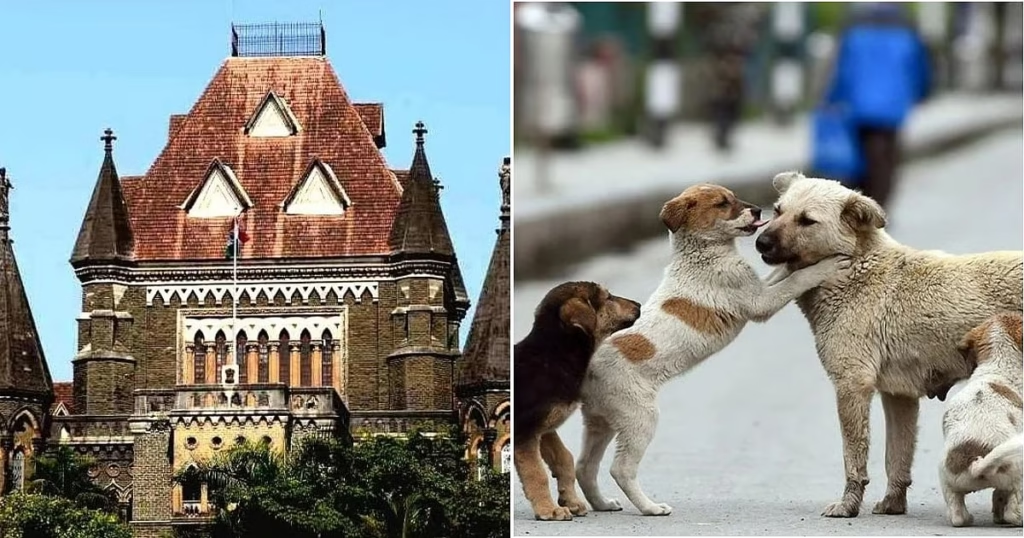
The Bombay High Court has requested information regarding the stray dog population census in Maharashtra, along with data on sterilisation and anti-rabies vaccinations. This inquiry aims to gather details related to the management of stray dogs in the state. Figures presented to the court showed that 150,594 dogs were sterilised in urban local bodies over six months. The bench directed the state to submit an updated chart by 2 Nov 2026.
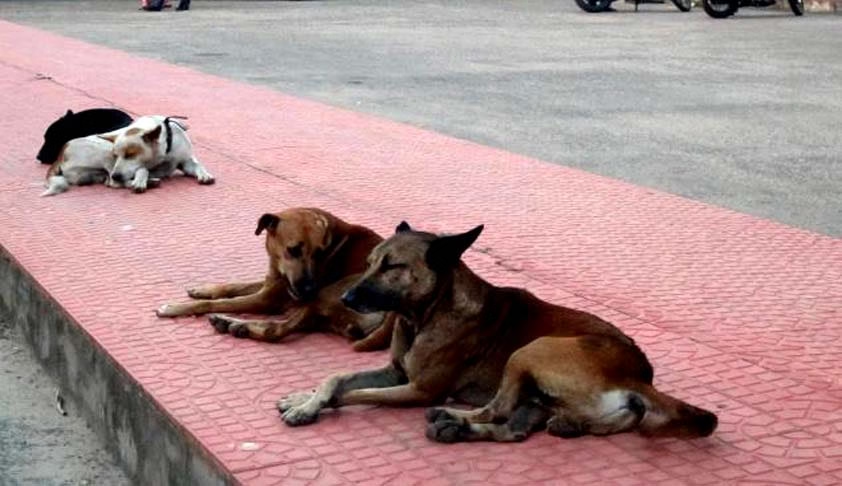
Stray dogs roaming the city in Jawhar have sparked urgent safety concerns among residents regarding road accidents and public movement. Local community members and social activist Pankaj Mukne urged the municipal council to take immediate action to manage the stray dog population and address traffic hazards. Residents in areas such as Ghorwadi, Gandhi Chowk, and Mukne Colony reported that packs of dogs chase two-wheelers, charge at pedestrians, and create noise disturbances at night. The affected citizens are currently waiting for the local administration to acknowledge their grievances and outline a plan to mitigate the risks. Feeders can cite the Animal Birth Control Rules, 2023, to the municipal council when demanding lawful population management.
The Bombay High Court stated that the increasing number of stray dogs is a primary cause of related issues. A division bench directed authorities to carry out an intensive sterilisation program to address the stray dog menace. The official order was issued on 14 Aug 2026.
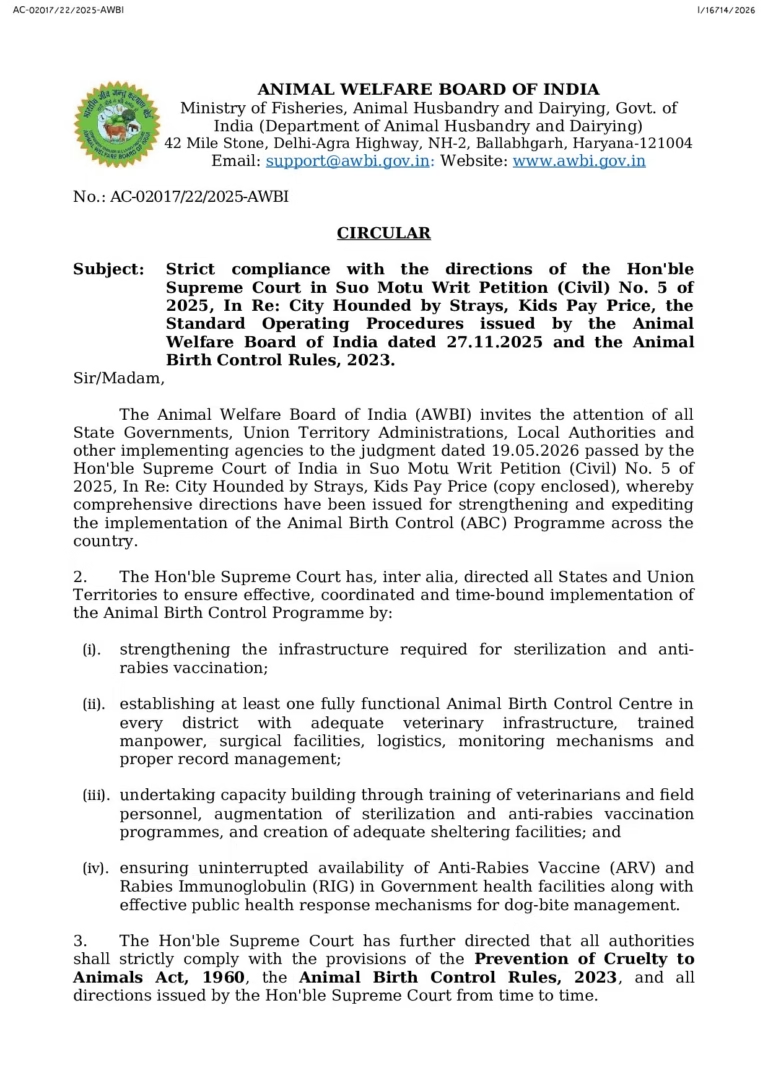
The Animal Welfare Board of India issued a circular requiring strict adherence to stray dog management regulations. The notice mandates compliance with Supreme Court of India orders from a 2025 case, the board's standard operating procedures, and the Animal Birth Control Rules, 2023. These directions apply to all state governments, union territory administrations, local authorities, and implementing agencies across the country.
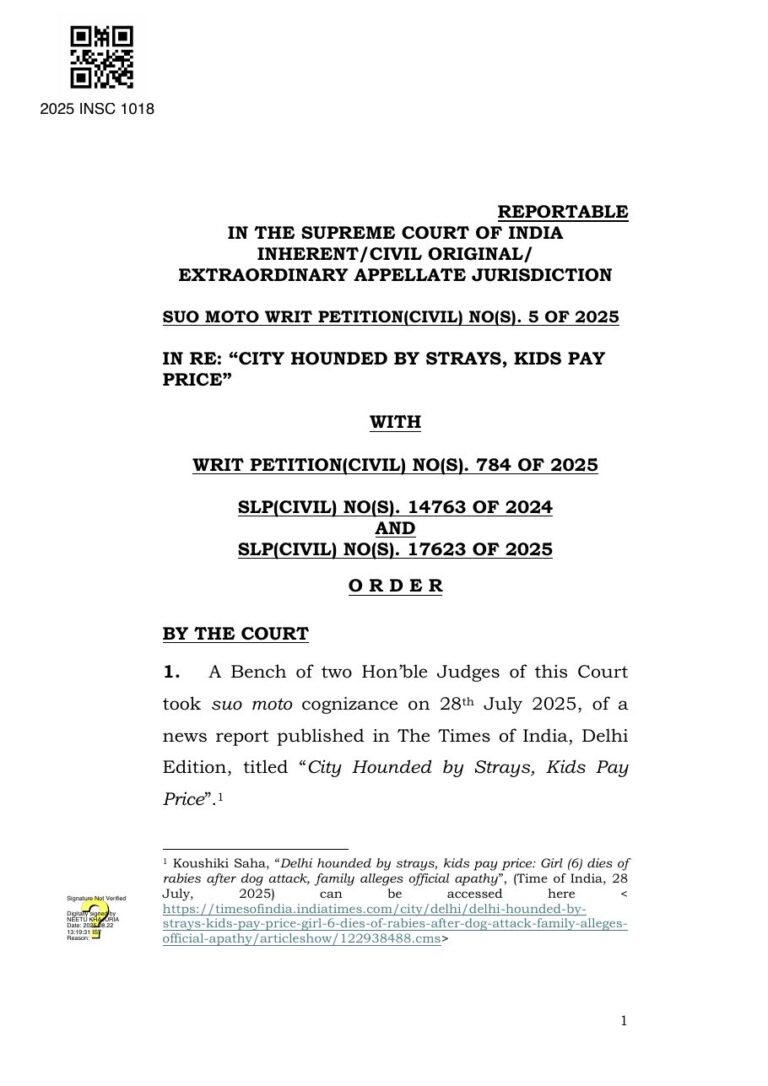
The Supreme Court of India issued a judgment regarding stray dogs on 22 Aug 2025, modifying its order of 11 Aug 2025. In Suo Motu Writ Petition (Civil) No. 5 of 2025, widened to all States and Union Territories, the court directed that stray dogs picked up in Delhi and the National Capital Region must be sterilised, dewormed, vaccinated and released back to the same area. Dogs with rabies, suspected rabies or aggressive behaviour must not be released and are kept in a separate shelter. Municipal bodies must create dedicated feeding spaces in each ward, and feeding stray dogs on the streets is not permitted. Each dog lover and NGO that approached the court was told to deposit Rs 25,000 and Rs 2,00,000 to be heard further.
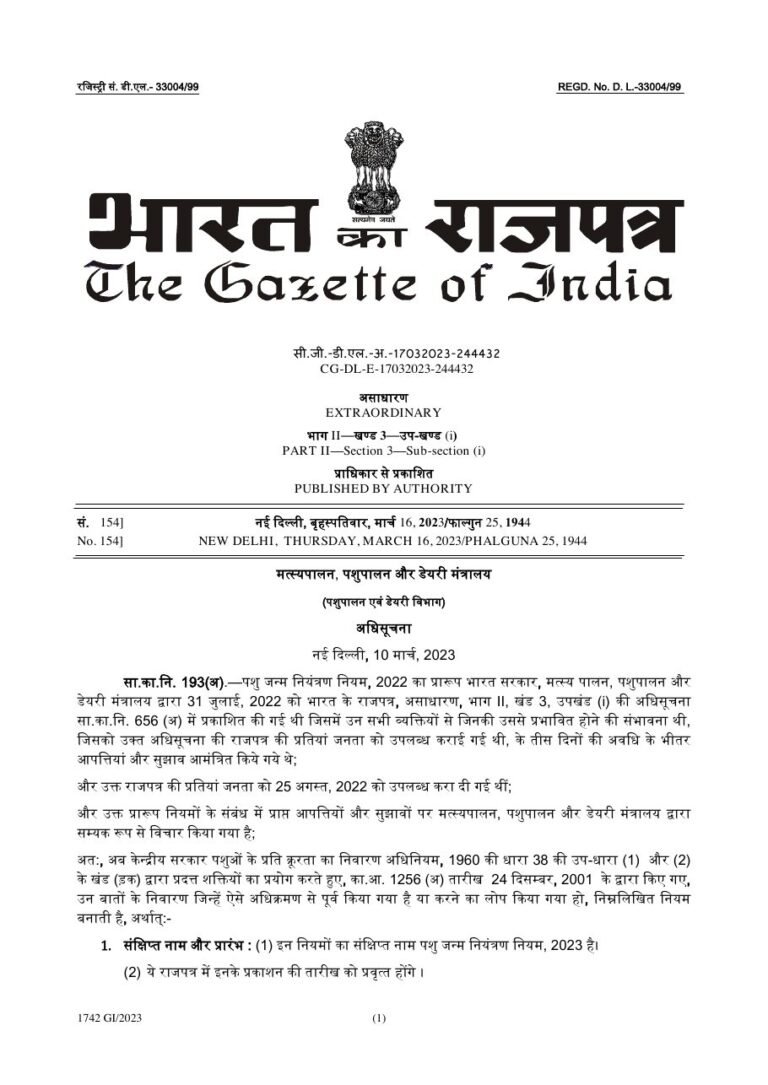
Rules for sterilising and vaccinating community dogs and returning them to the same area, made under the Prevention of Cruelty to Animals Act, 1960. These Animal Birth Control Rules, 2023 provide procedures for local authorities and animal welfare organisations recognised by the Animal Welfare Board of India to conduct animal birth control programmes. The rules outline the establishment of animal birth control centres equipped with infrastructure, post-operative care kennels, quarantine kennels, isolation kennels, and dog transport vehicles. They apply to local authorities, animal welfare organisations, state animal welfare boards, animal cruelty prevention societies, and project incharges who serve as veterinary officers on the regular payroll of the local authority or state government. Community dogs are defined as any dogs born in a community, excluding wild animals, for which no ownership is claimed by any person or organisation. The rules set up monitoring committees and authorised capture teams to handle stray dogs and community dogs, ensuring that they are vaccinated, sterilised, and released back to the exact location from which they were picked up.