
‘Hunting gods’ How people in Western Ghats perceive elusive dholes

‘Hunting gods’ How people in Western Ghats perceive elusive dholes

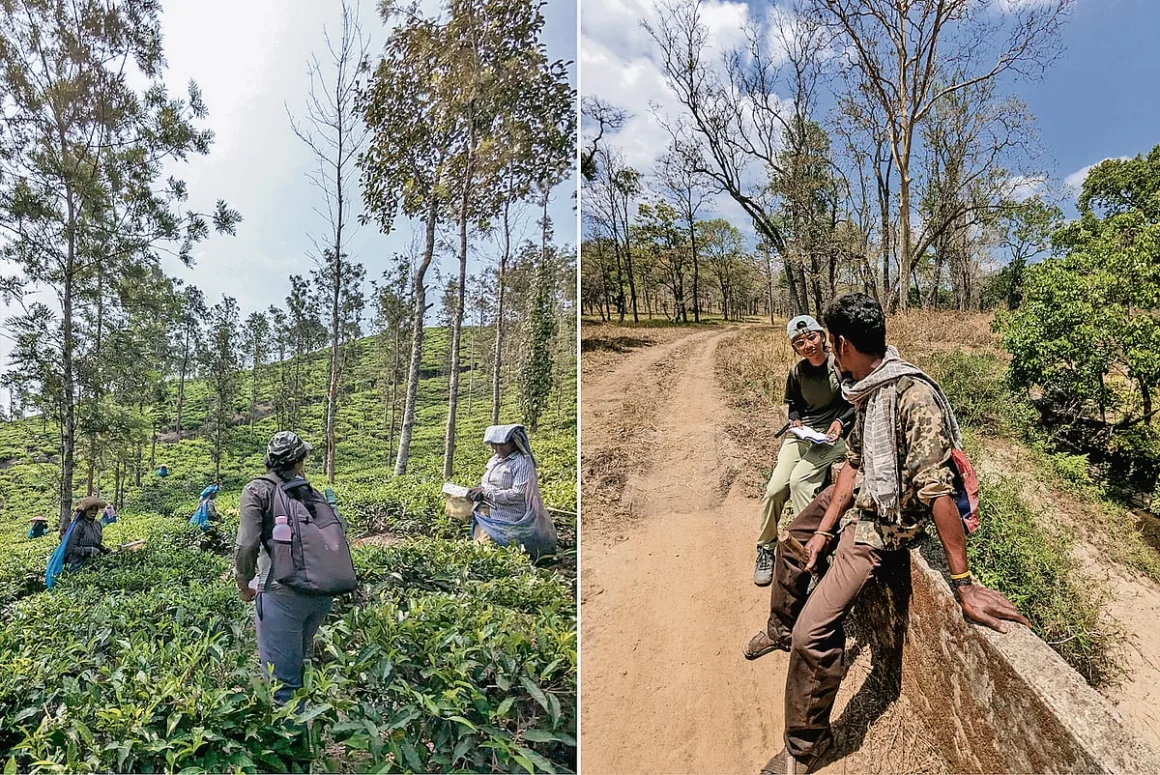
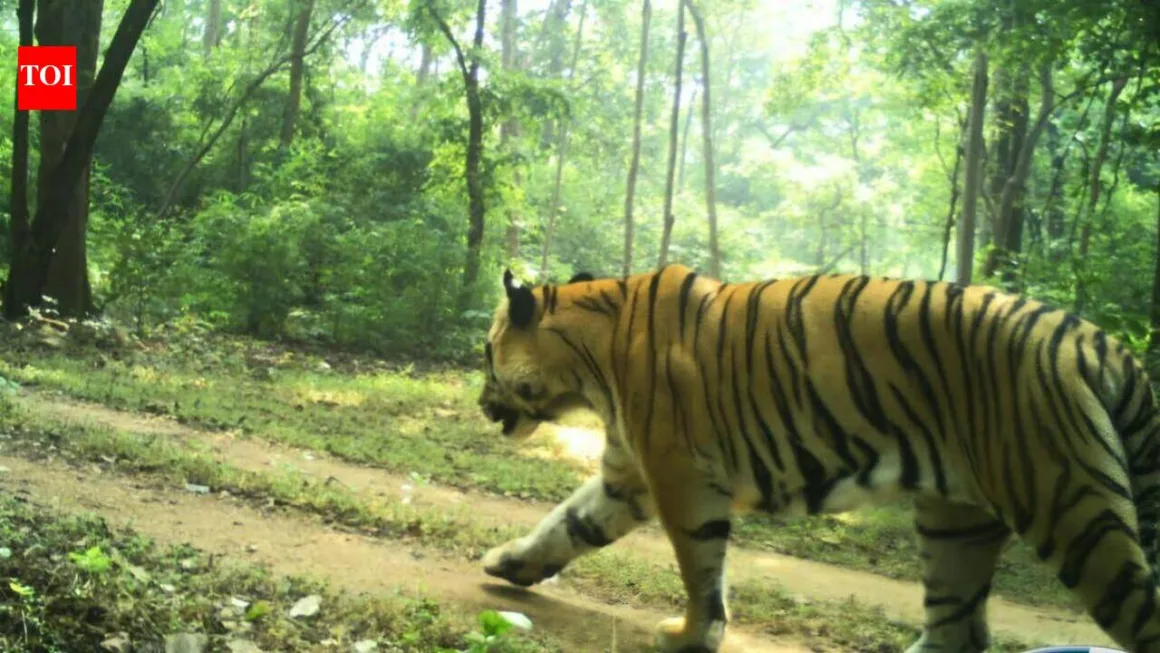
Asiatic wild dogs, known locally as dholes, are viewed with respect and curiosity by communities sharing forests and tea plantations in the Western Ghats. Two studies led by researchers from the National Centre for Biological Sciences, Bengaluru, and Wildlife Conservation Society-India conducted 476 interviews in Wayanad in Kerala and Valparai in Tamil Nadu, involving residents, plantation workers, and Forest department personnel. A second study in Valparai included 89 community members. The work was authored by Pooja Saravanan, Sabiya Sheikh, Mayank Shukla, Jonathan Edward de Rozario, Arjun Srivathsa, Avantika Sharma, and Vigneshwaran AK. The findings matter because local ecological knowledge helps document the pack sizes, movements, hunting strategies, and behaviour of the endangered carnivores, while also revealing potential disease transmission risks from domestic dogs. Traditional folklore regarding dholes is fading among younger generations. The studies indicate that community knowledge can complement conventional wildlife monitoring and assist researchers in locating elusive packs in shared agroforest landscapes.

Sources

Read the original (opens in a new tab)Summary written by Animal Writes. Read the original before relying on it.

More in Wildlife

From the Library

Get Animal Writes updates

News, important developments and practical guides — no spam.

Newsletter
+91

Email me Animal Writes updates. I can unsubscribe at any time.