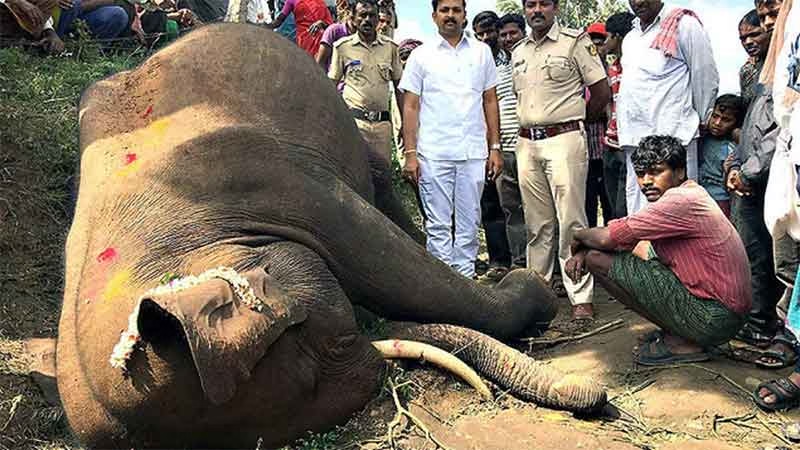
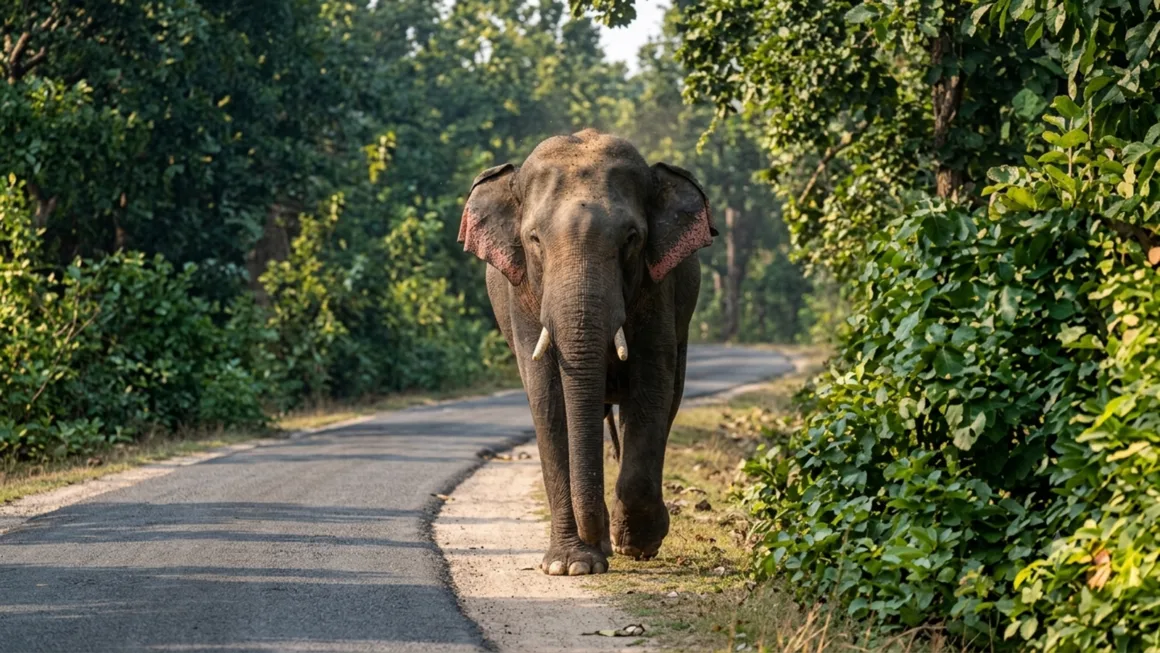
Over the past twenty years, Indian elephants faced severe habitat loss, fragmentation, and rising human-elephant conflict across states including Jharkhand, Odisha, Assam, Karnataka, Kerala, and Tamil Nadu. According to WWF India, habitat fragmentation poses a major threat to Asian elephants because they require expansive migratory corridors to maintain stable populations. The Ministry of Environment, Forest and Climate Change and regional studies stated that industrial activity, mining, and linear infrastructure have blocked traditional migratory routes. IFAW explained that shrinking habitats and food shortages drive elephants toward agricultural fields. This situation leads to hundreds of human fatalities and roughly 100 to 150 elephant deaths each year nationwide from conflict incidents, such as train accidents in regions like West Bengal, Assam, and Odisha. India sustained an estimated population close to 30,000 elephants between 2007 and 2017, with the 2017 census counting about 29,964 animals, according to a DNA census report. Conservation groups and authorities continue tracking the ongoing ecological crisis stemming from rapid land-use modifications affecting these animals.