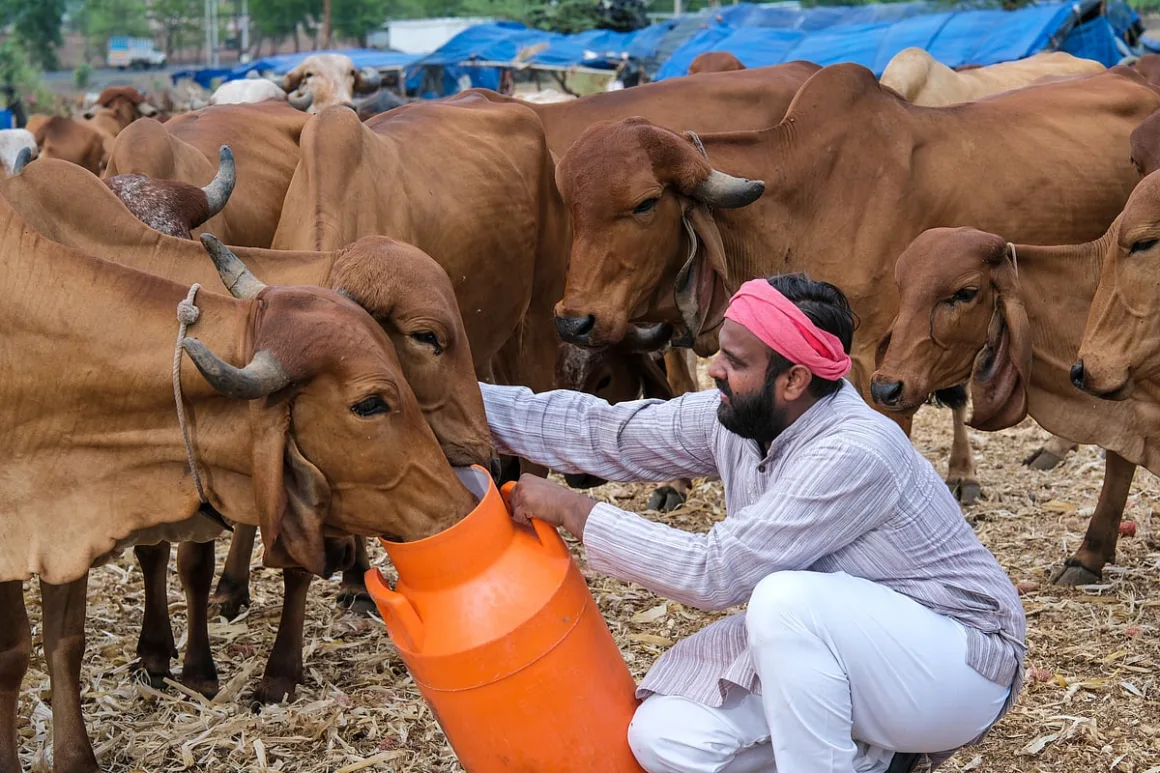
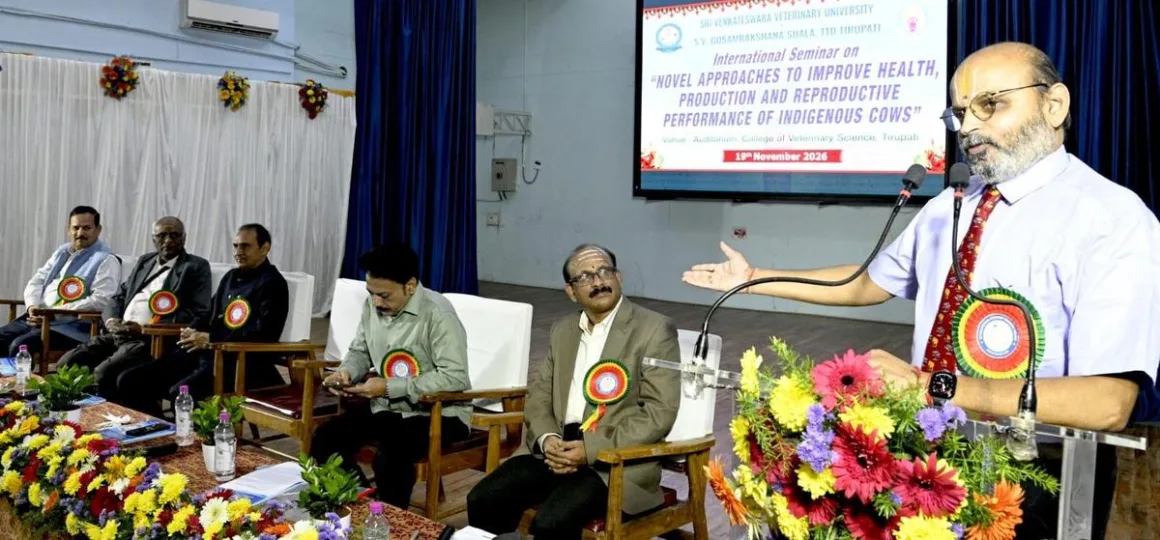
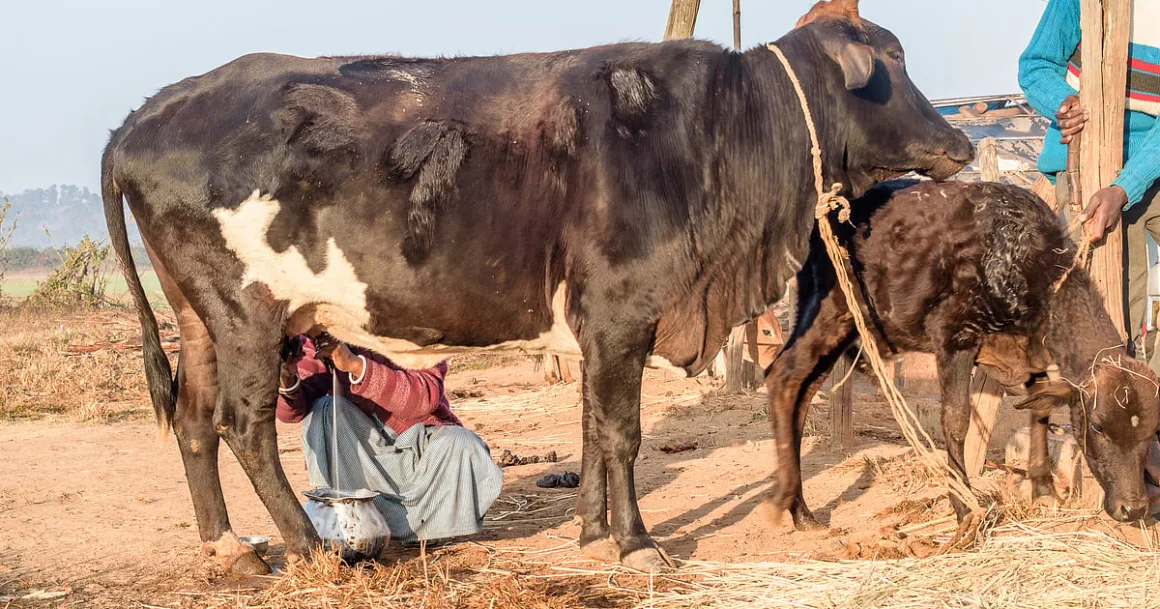
Indigenous cattle rearing and prevention-led approaches can help dairy farming in India reduce antibiotic use and combat antimicrobial resistance. The National Action Plan on AMR stresses surveillance, infection control, and responsible medicine use, as stated in policy documents. The strategy states that routine antibiotic use often compensates for poor hygiene, overcrowding, and delayed diagnosis. To address this, controls should be tightened on over-the-counter veterinary antibiotics, requiring prescriptions from qualified veterinarians, digital records, and enforcement against illegal formulations. In Uttar Pradesh, the Nand Baba Dugdh Mission runs schemes such as the Nandini Krishak Samriddhi Yojana, the Mini Nandini Krishak Samriddhi Yojana, and the Mukhyamantri Swadeshi Gau Sanvardhan Yojana, offering subsidies for rearing indigenous cattle breeds like Sahiwal, Tharparkar, Hariana, Gir, and Gangatiri. These financial incentives could be linked to farm biosecurity, vaccination, and documented antibiotic records to reward prevention. The Indian Council of Agricultural Research operates the All India Network Programme on AMR across 31 centres to strengthen surveillance. Technologies like wearable sensors, rumen boluses, acoustic monitors, and genomic tools can detect early signs of illness, enabling targeted treatments and minimizing blanket medication across dairy herds.