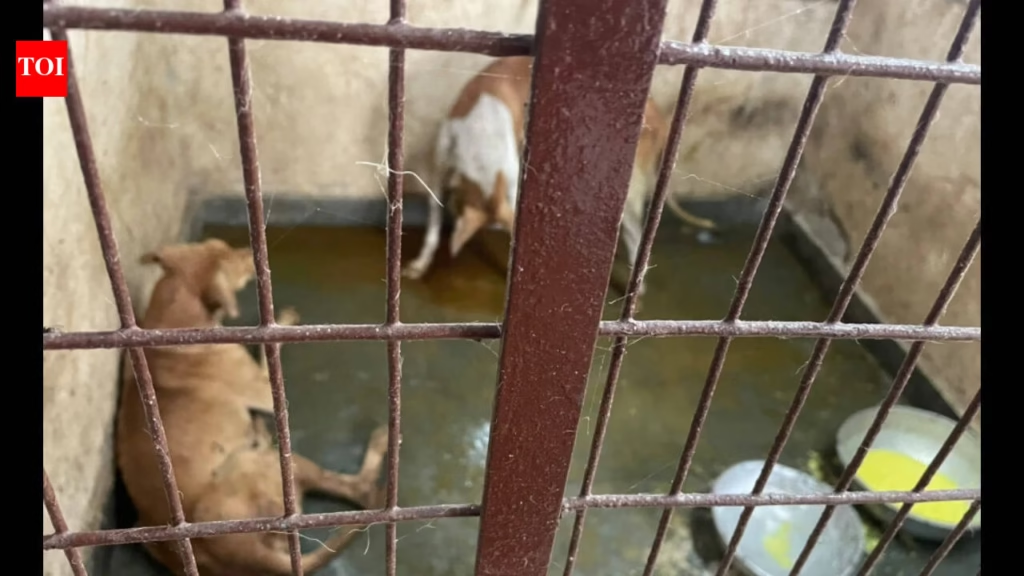
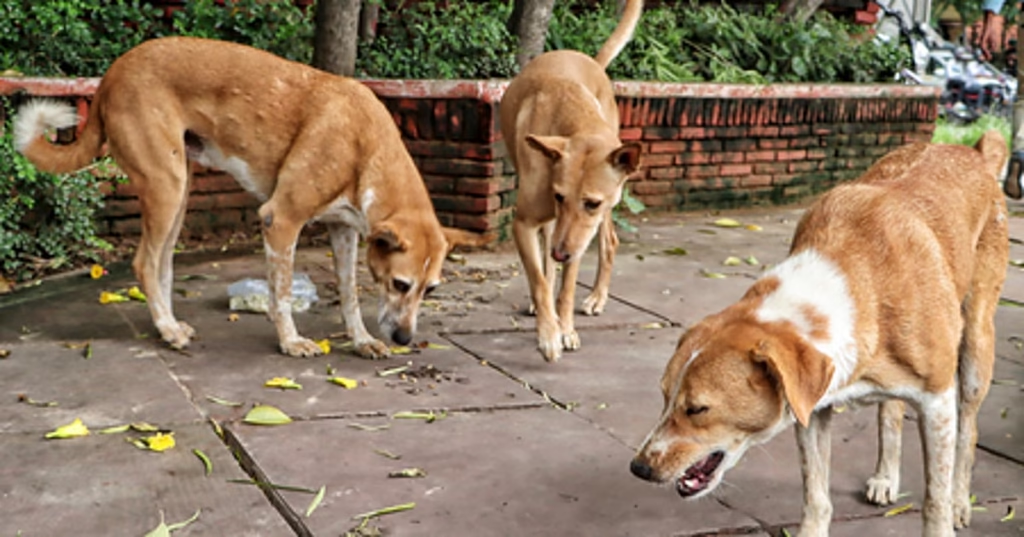
Animal activists raised concerns over the upkeep of the Pollachi ABC centre for stray dogs and community dogs in Pollachi, Tamil Nadu. They stated that the animal birth control facility, run by the Pollachi municipality, requires urgent attention due to neglect and inadequate care affecting its housed animals. Concerns arose after a social media video purportedly showed unhygienic cages and inadequate post-operative care for sterilised dogs, and a stray dog at the centre recently died of canine distemper. Independent animal activist K P Balakrishnan reported a sterilised stray dog with severe wounds on its private parts and ears, further alleging uncleaned kennels with urine and faeces where animals are also fed. Activists have demanded a thorough inquiry into these incidents and questioned the utilisation of the central government’s fixed charge of ₹1,650 per dog for sterilisation. Officials have not yet responded to the allegations regarding the facility, but an inquiry into the upkeep standards is expected to follow.
An article discusses animal welfare in Chennai and outlines practical steps individuals can take to support local animal welfare efforts. The Sundari Silks family supports street animals through feeding, rescue, adoption, sterilisation, and everyday care across their showrooms and homes since 2010. Their daily routine involves keeping water bowls out for dogs and birds, feeding pigeons twice a day, and working with neighbours to sterilise about two dogs every month for humane population control.
Seven children are under investigation for allegedly strangling street dogs to death in Madurai, Tamil Nadu. Fibula, a resident who heard a dog screeching, stated that they rushed outside and saw the children strangling a dog with wires near a parked car. Seven children are under investigation for allegedly strangling dogs to death in Madurai, Tamil Nadu, and the authorities are looking into the matter further.
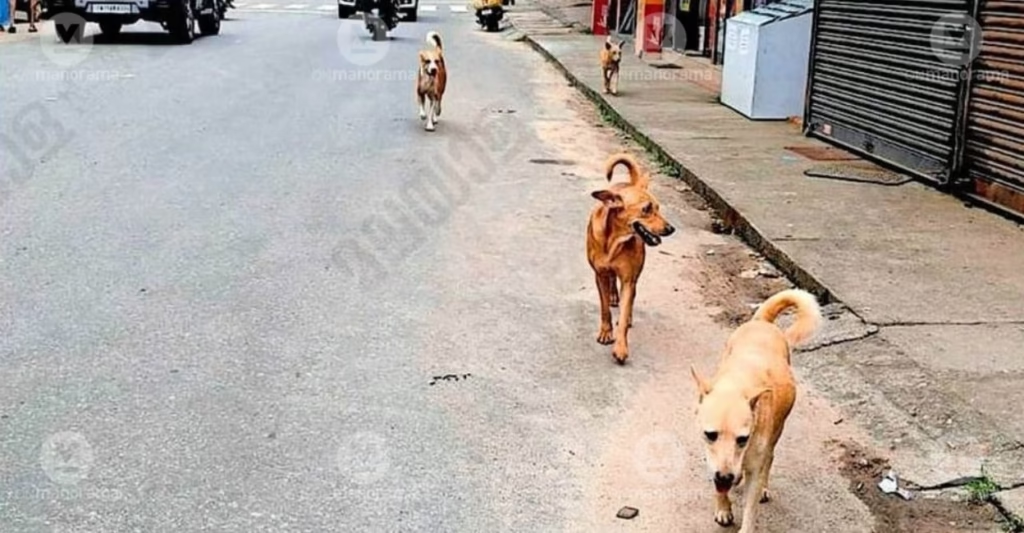
Stray dogs and unrestrained domestic dogs are roaming the streets of Muttom in Idukki, Kerala, creating serious safety risks for pedestrians, school children, and two-wheeler riders. Local residents and civic groups stated that packs of stray dogs gather at key hubs like the taxi stand, the town centre, and Kurishupally Junction, leading to occasional dog bites and vehicle accidents caused by territorial fights spilling onto main roads. Local residents and civic groups alleged that authorities have failed to take decisive action despite repeated appeals to manage the situation. The crisis is worsened by ineffective past sterilization drives by the local panchayat, poor compliance with mandatory pet registration rules, and improper roadside waste disposal that provides a steady food source for the dogs. Local residents and civic groups can press the local panchayat to enforce pet licensing rules, clear roadside waste, and conduct new sterilization programs for stray dogs.
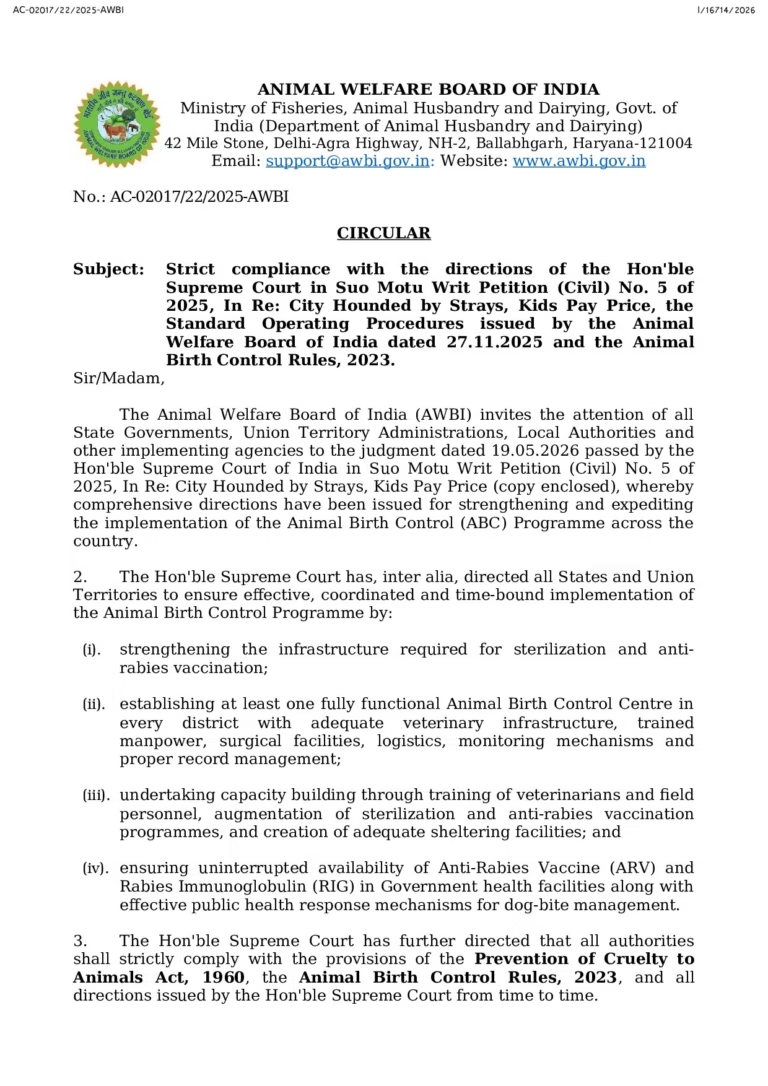
The Animal Welfare Board of India issued a circular requiring strict adherence to stray dog management regulations. The notice mandates compliance with Supreme Court of India orders from a 2025 case, the board's standard operating procedures, and the Animal Birth Control Rules, 2023. These directions apply to all state governments, union territory administrations, local authorities, and implementing agencies across the country.
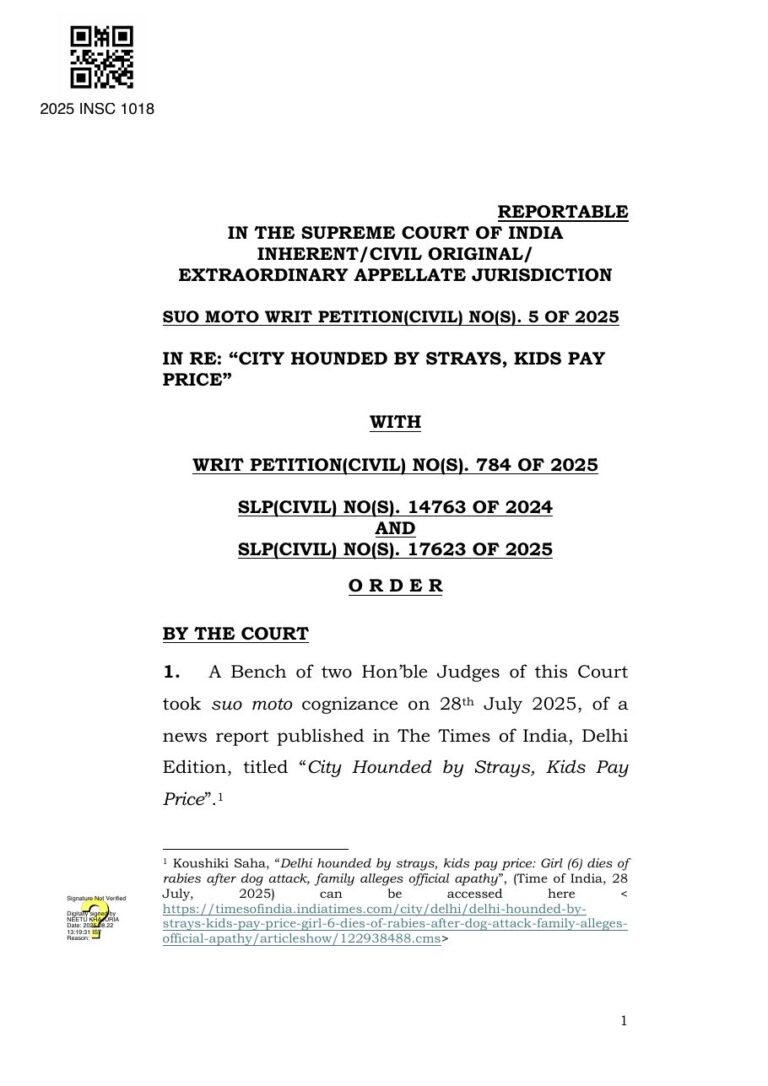
The Supreme Court of India issued a judgment regarding stray dogs on 22 Aug 2025, modifying its order of 11 Aug 2025. In Suo Motu Writ Petition (Civil) No. 5 of 2025, widened to all States and Union Territories, the court directed that stray dogs picked up in Delhi and the National Capital Region must be sterilised, dewormed, vaccinated and released back to the same area. Dogs with rabies, suspected rabies or aggressive behaviour must not be released and are kept in a separate shelter. Municipal bodies must create dedicated feeding spaces in each ward, and feeding stray dogs on the streets is not permitted. Each dog lover and NGO that approached the court was told to deposit Rs 25,000 and Rs 2,00,000 to be heard further.
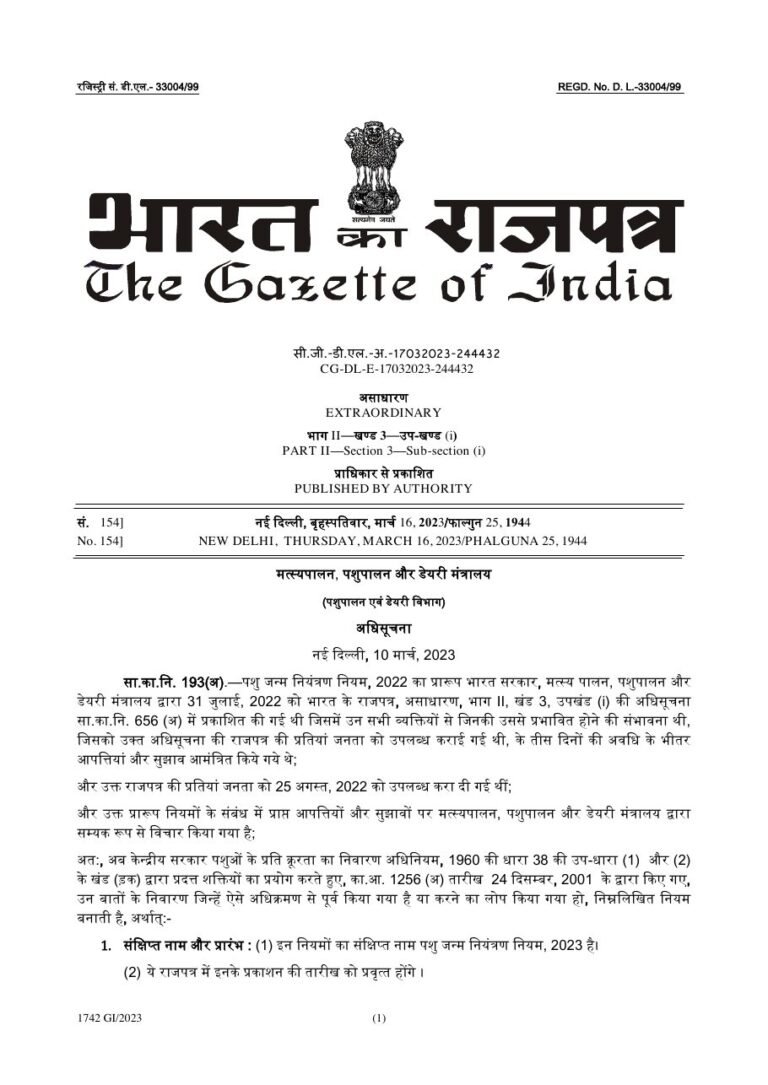
Rules for sterilising and vaccinating community dogs and returning them to the same area, made under the Prevention of Cruelty to Animals Act, 1960. These Animal Birth Control Rules, 2023 provide procedures for local authorities and animal welfare organisations recognised by the Animal Welfare Board of India to conduct animal birth control programmes. The rules outline the establishment of animal birth control centres equipped with infrastructure, post-operative care kennels, quarantine kennels, isolation kennels, and dog transport vehicles. They apply to local authorities, animal welfare organisations, state animal welfare boards, animal cruelty prevention societies, and project incharges who serve as veterinary officers on the regular payroll of the local authority or state government. Community dogs are defined as any dogs born in a community, excluding wild animals, for which no ownership is claimed by any person or organisation. The rules set up monitoring committees and authorised capture teams to handle stray dogs and community dogs, ensuring that they are vaccinated, sterilised, and released back to the exact location from which they were picked up.