Human elephant conflict Kerala: new vet training

Human elephant conflict Kerala: new vet training

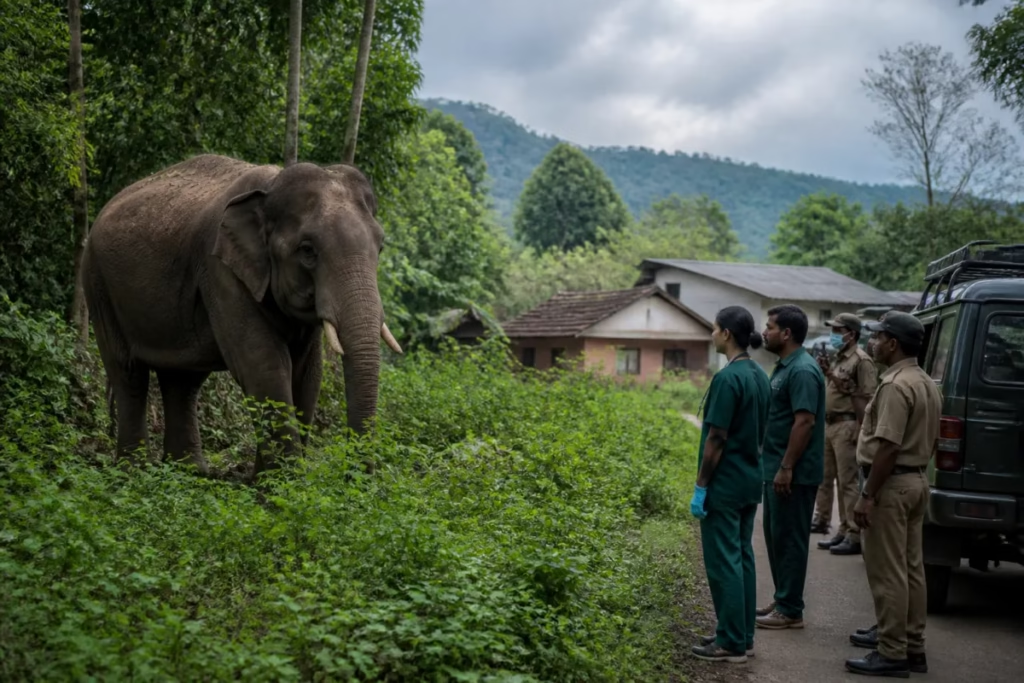
Veterinarians to get training in understanding wild elephant behaviour in Kerala, as wild elephants faced rising human-elephant conflict incidents. State authorities arranged specialized programs for wildlife veterinarians to handle emergency wildlife rescues and medical treatments across forest divisions. Forest department officials stated that the capacity-building workshops aim to reduce casualties during volatile animal incursions into human settlements. Participants learned advanced darting techniques, tranquilization protocols, and post-mortem procedures. The Ministry of Environment, Forest and Climate Change stated that specialized medical responses help mitigate habitat overlap pressures. Officials confirmed that trained rapid response units will deploy across affected districts to monitor wild animal movements and manage distressed wildlife. The government scheduled further field drills for upcoming months to test emergency readiness, as reported by The Times of India.

Sources

Read the original (opens in a new tab)Summary written by Animal Writes. Read the original before relying on it.

More in Policy and Government

  • Bear attack in Baijnath highlights growing human wildlife conflict; injured man hospitalised

    News

    Bear attack in Baijnath highlights growing human wildlife conflict; injured man hospitalised

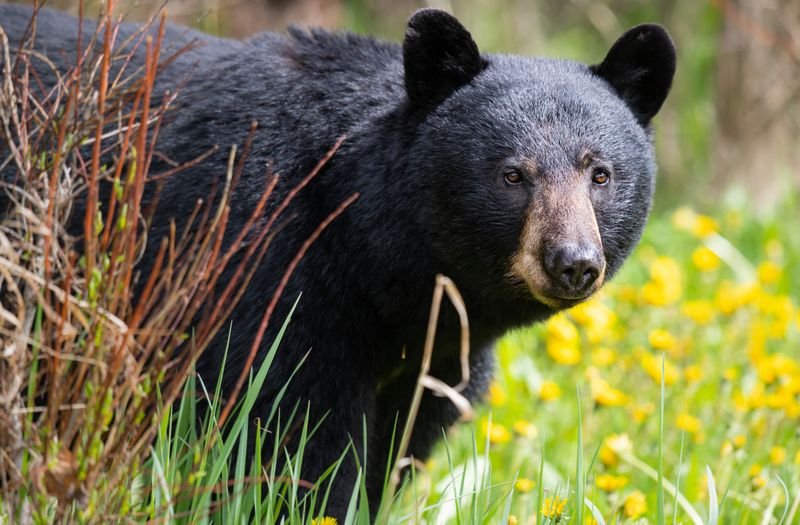
    A wild bear attacked a man in Baijnath, injuring him and raising serious concerns over rising human-wildlife conflict in the area. Following the sudden wildlife encounter, the injured resident was hospitalised for medical treatment. Local authorities and forest department officials are expected to monitor the region closely to prevent further incidents and ensure public safety for residents. Wild animal attacks pose recurring risks to villagers living near forested tracts, where human movement often intersects with wildlife habitats. Forest department officials stated that patrolling would be stepped up in vulnerable zones. Victims of such attacks are eligible for relief compensation from the government as per established norms after verification of documents and medical reports. Residents have been advised to remain cautious while moving near wooded patches during early morning and evening hours when animal activity is typically higher. Further investigations and monitoring by field personnel are underway to track the movement of the animal involved and secure the locality against similar wildlife intrusions.
  • Two arrested in connection with poaching of Kuno cheetah cub

    News

    Two arrested in connection with poaching of Kuno cheetah cub

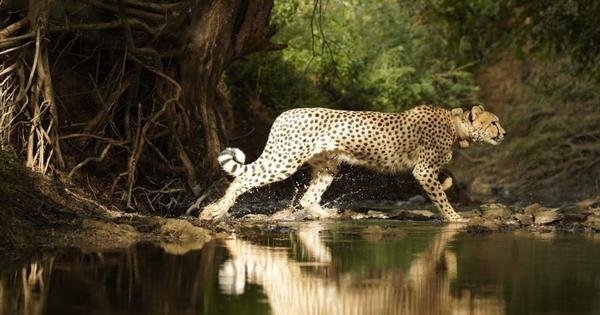
    Two suspects were arrested for the poaching of a cheetah cub from Kuno National Park in Morena district of Madhya Pradesh. ANI reported that the Special Task Force in Madhya Pradesh arrested Bhagwan Singh and his brother Pritam Singh for allegedly hunting the animal using a licensed muzzle-loading shotgun in the forests of Sheopur. The 19-month-old male cub had died from pellet injuries on October 26, a day after a monitoring team found it wounded in the Morena territorial forest division and sent it to the veterinary institute in Jabalpur. ANI stated that the accused were booked under sections of the Wildlife (Protection) Act, 1972 pertaining to hunting. This marks the first killing and the 25th death of a cheetah since the reintroduction of the wild animal to India in 2022, when cheetahs from Namibia and South Africa were brought back seven decades after being declared extinct by the Indian government in 1952. The country now has a total of 54 cheetahs, with 50 located in Kuno National Park and four in the Gandhi Sagar Sanctuary.

  • Keralam targets zero free roaming dogs in public spaces in 10 years

    News

    Keralam targets zero free roaming dogs in public spaces in 10 years

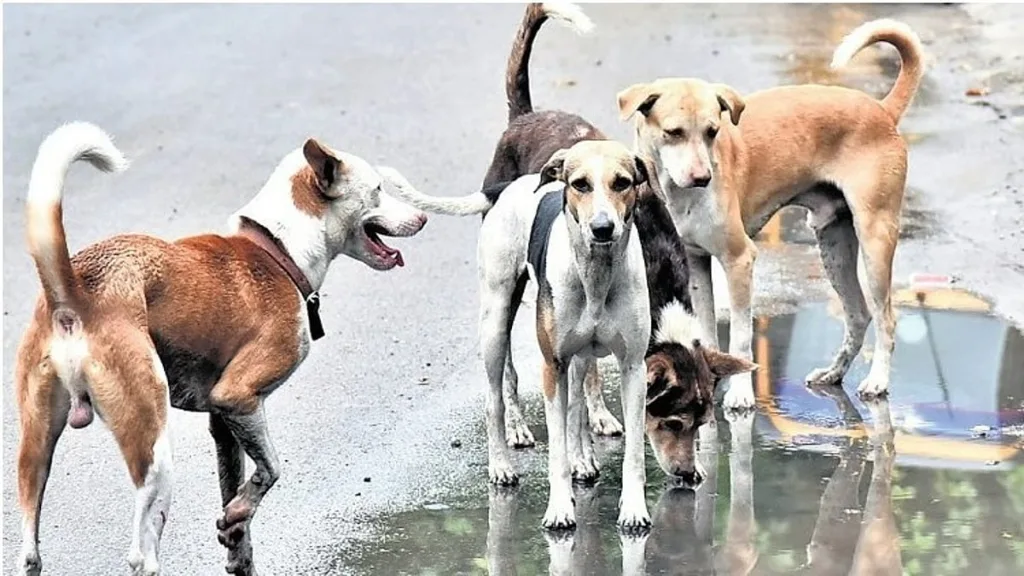
    Kerala aims to eliminate free‑roaming dogs from public spaces within ten years, targeting stray and community dogs in high‑density areas. An expert panel jointly formed by Kerala Veterinary and Animal Sciences University, the animal husbandry department and the Kerala Grama Panchayat Association drafted the roadmap, and Principal Director of Local Self‑Government Divya S Iyer said the department is fully aligned with its vision. The panel cited rising stray‑dog attacks, rabies deaths and densities of 150‑250 dogs per sq km as reasons for intensive sterilisation, vaccination, adoption drives, mandatory pet registration and micro‑chipping, plus scientific waste management. Sanjay D warned that current animal‑birth‑control projects lack continuity because funding is annual, while Shibu Simon urged adoption of both puppies and adult reproducing dogs. “On proposed timelines, we must be practical. Setting up the required infrastructure takes time,” Divya said. The first two years will aim to cut density to 10‑15 dogs per sq km, create a dedicated corpus fund, expand ABC centres, set up high‑volume veterinary facilities, a Veterinary Public Health Wing and integrate registration with the KSMART platform.

From the Library

  • Government steps on vet services, dairy and stray dogs

    Official Release

    Government steps on vet services, dairy and stray dogs

    The Government of India announced on 22 Jul 2026 a set of measures aimed at bolstering veterinary services, widening the reach of dairy cooperatives, and improving the management of stray dogs across the country. The plan includes upgrading veterinary infrastructure, expanding cooperative networks for milk producers, and introducing new programs for stray-dog control and welfare. These ongoing and planned efforts seek to strengthen animal healthcare, accelerate dairy development, and enhance humane stray-dog management nationwide.

  • Government steps for dairy, livestock and vet services

    Official Release

    Government steps for dairy, livestock and vet services

    The Indian government announced a programme to enhance the dairy and livestock sector. The initiative involves constructing additional infrastructure, introducing digital reforms, and expanding veterinary services. Union Minister for Fisheries, Animal Husbandry and Dairying Shri Rajiv Ranjan Singh informed the Lok Sabha about these measures, clarifying that there is currently no proposal to introduce a Minimum Support Price for milk. Officials reported that 113 Animal Husbandry Infrastructure Development Fund projects worth ₹4,700.13 crore have been approved in Maharashtra, with an interest subvention of ₹123.46 crore released.

  • Human wildlife conflict centre and portal launched

    Official Release

    Human wildlife conflict centre and portal launched

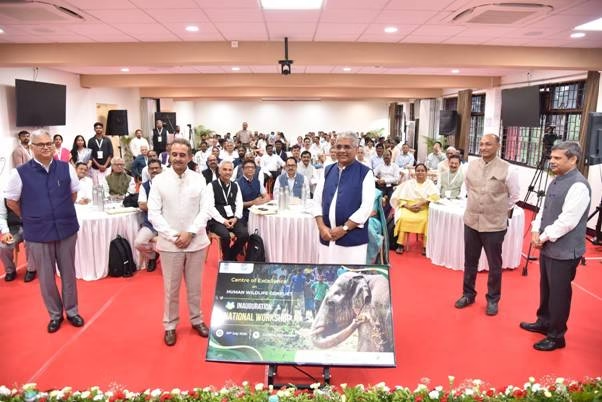
    On 10 Jul 2026, the Union Environment Minister inaugurated a Centre of Excellence for human-wildlife conflict at the Wildlife Institute of India’s SACON campus in Coimbatore. The minister also launched a National Human-Wildlife Conflict Portal on the same day. This newly established center will serve as a national hub for research, innovation, policy support, capacity building, and dissemination of best practices. During the event, officials gathered to deliberate on effective strategies for mitigating human-wildlife conflict and promoting coexistence.

Get Animal Writes updates

News, important developments and practical guides — no spam.

Newsletter

Email me Animal Writes updates. I can unsubscribe at any time.