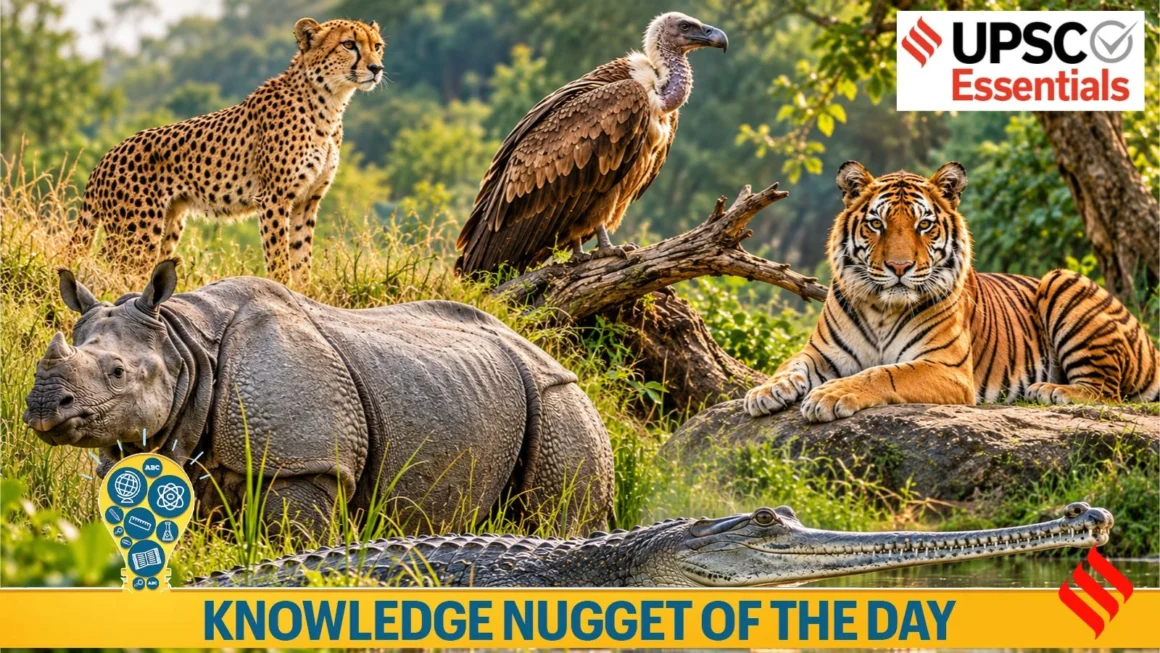
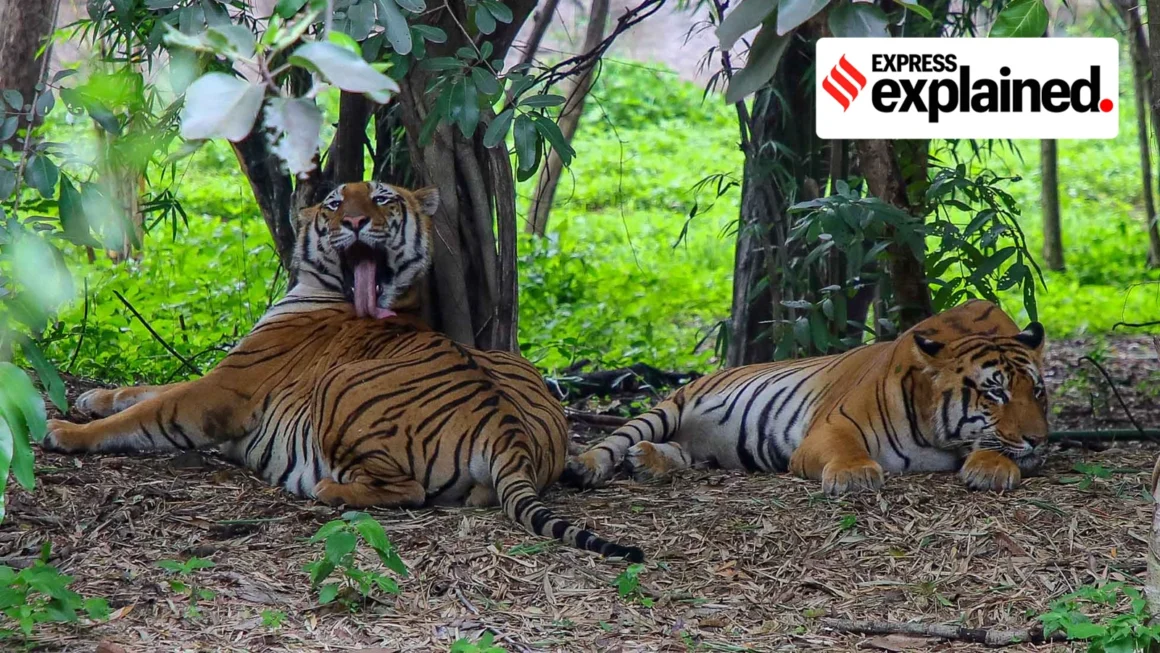
Four cheetah cubs were born to a female cheetah brought from Botswana at Kuno National Park in Madhya Pradesh, marking an important wildlife conservation milestone in India. The National Tiger Conservation Authority, Wildlife Institute of India, and Madhya Pradesh Forest Department stated that the female gave birth in the wild after spending more than four months outside acclimatisation enclosures. Project officials explained that reproduction in the wild indicates successful habitat adaptation following the species reintroduction launched on . The cheetah is classified as Vulnerable on the International Union for Conservation of Nature Red List, listed under Schedule I of the Wildlife (Protection) Act, 1972, and was declared extinct in India in 1952 due to hunting and habitat loss. Forest officials reported that a captive-bred Long-billed Vulture travelled 3,334 km from Melghat Tiger Reserve in Maharashtra to Ranthambore Tiger Reserve in Rajasthan. Released on , from the Somthana Range of the Akot Wildlife Division, the five-year-old female demonstrated that captive-bred vultures can adapt to natural environments and find food independently. The Long-billed Vulture is classified as Critically Endangered and listed under Schedule I of the Wildlife (Protection) Act, 1972.
The Madhya Pradesh High Court granted the state leave to appeal against acquittals in a wildlife smuggling case and allowed the Central Bureau of Investigation to join proceedings. The court…
A cheetah brought from Botswana gave birth to four cubs at Kuno National Park in Madhya Pradesh, bringing India's total cheetah population to 62 animals, including 43 born in the…
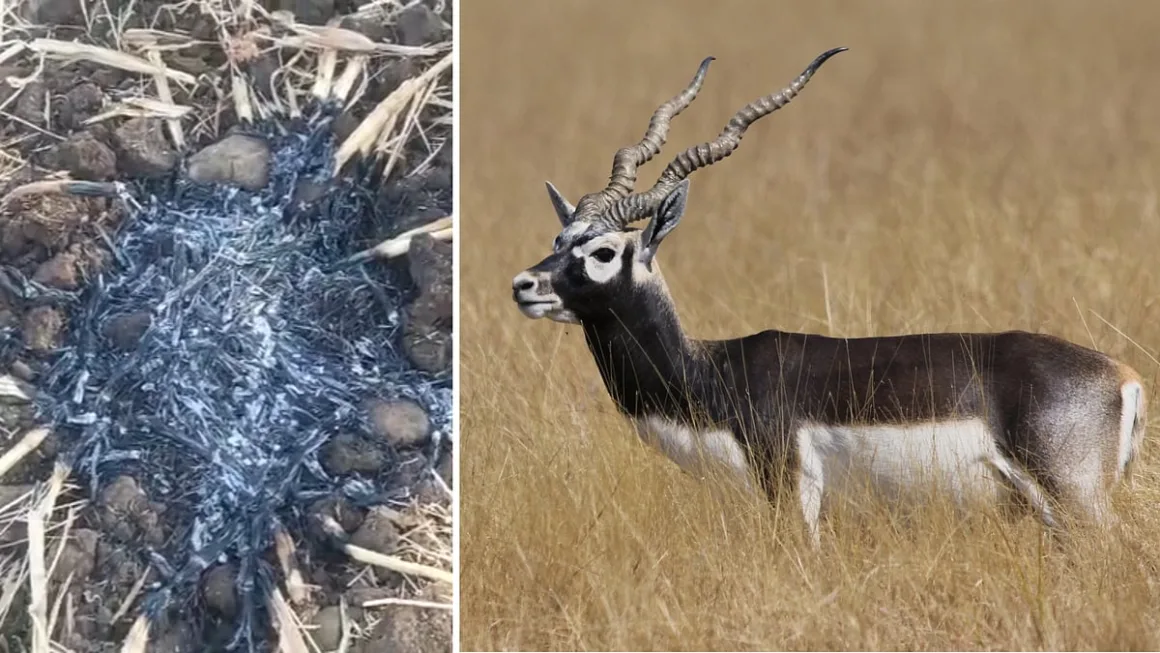
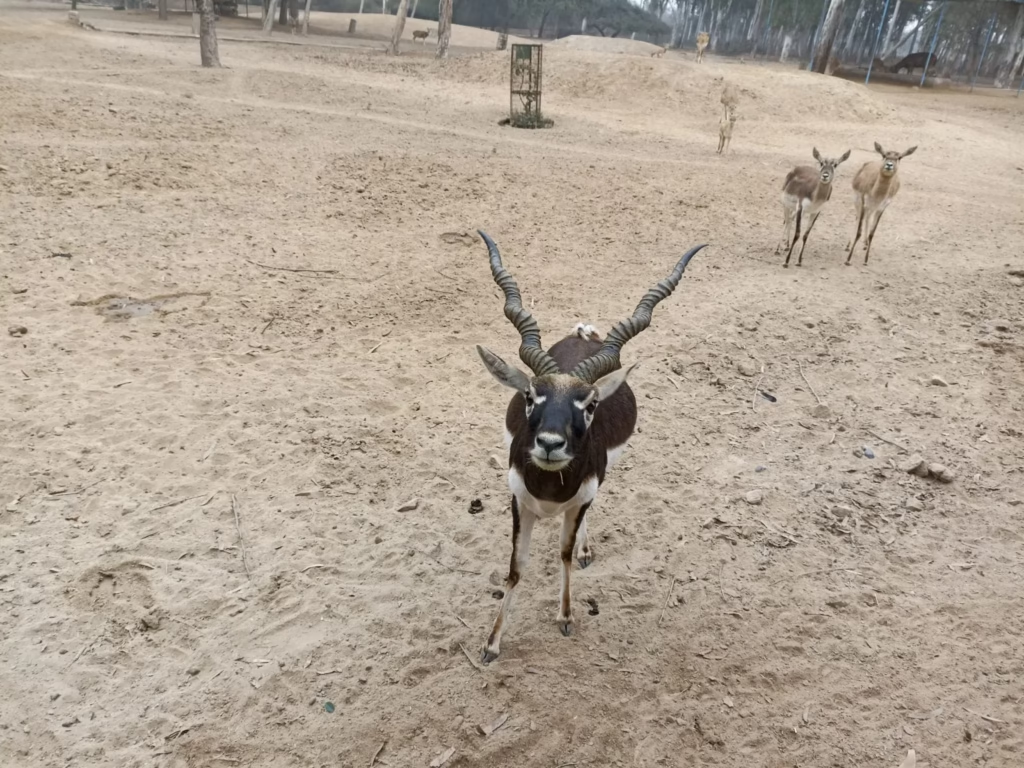
Three men were arrested for hunting a blackbuck and holding a meat feast in Ashoknagar, Madhya Pradesh, while eight other accused remain absconding. According to the police, the local forest…
The Ministry of Environment, Forest and Climate Change issued notification S.O. 6300(E) as a final notification declaring an eco-sensitive zone around Dudhwa Tiger Reserve in Uttar Pradesh to protect its…
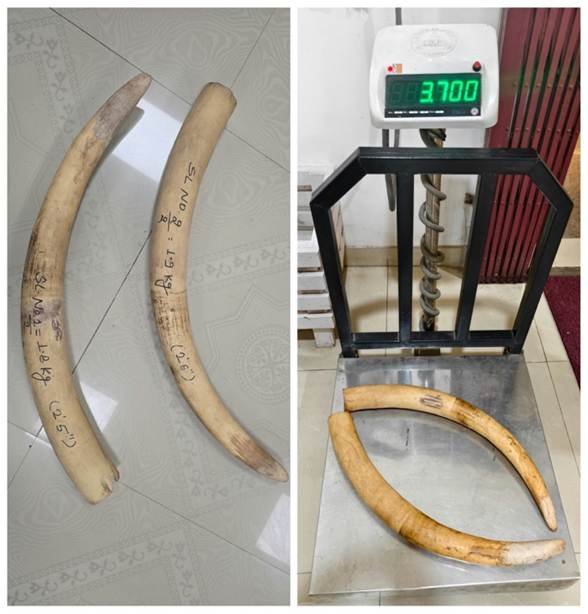
The Directorate of Revenue Intelligence issued an enforcement report detailing the seizure of elephant tusks during a wildlife trafficking operation near Guwahati, Assam. This action applies to law enforcement agencies,…
Pune zoo workers at centre of India’s zoonotic disease tracking through a workshop and health check-up camp for stray dogs, wildlife, and zoonotic diseases held at Rajiv Gandhi Zoological Park…
Get Animal Writes updates
News, important developments and practical guides — no spam.