Panel moots cash incentives for families adopting adult strays

Panel moots cash incentives for families adopting adult strays

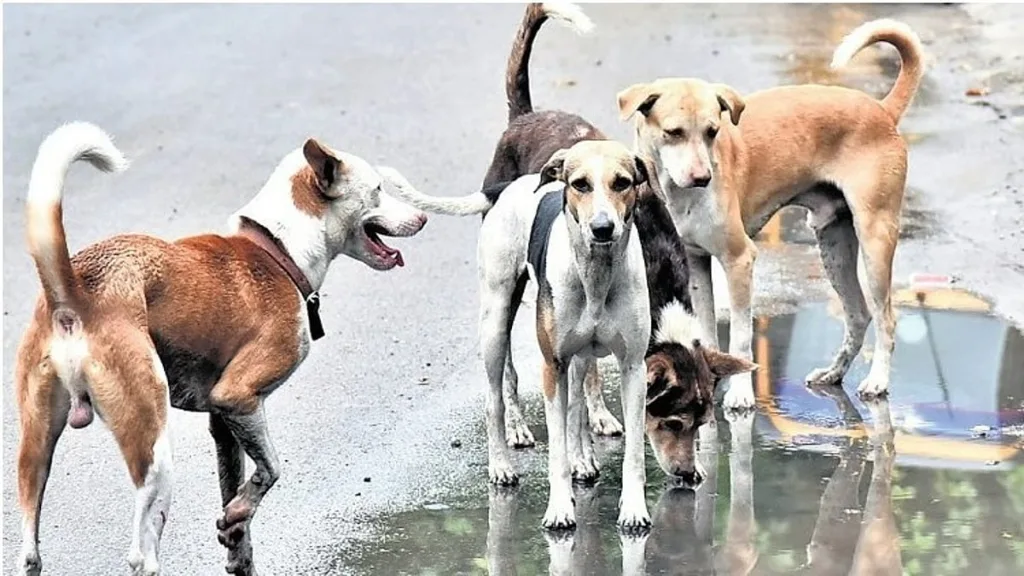
A panel proposed cash incentives for families adopting adult stray dogs, aiming to encourage the adoption of these community dogs. The committee suggested financial rewards because adult strays often struggle to find homes compared to younger puppies. The measure matters to improve adoption rates for adult stray dogs and community dogs that remain in shelters or on the streets without permanent homes. The proposal comes as part of ongoing efforts by animal welfare authorities to promote pet adoption and reduce the population of unhoused animals. The committee stated that monetary encouragement would help families offset the initial costs of pet care and encourage more people to bring adult dogs into their homes. Animal welfare advocates and potential adopters can review the proposed guidelines and eligibility criteria as authorities prepare to finalise the implementation framework for the financial incentive scheme.

Sources

Read the original (opens in a new tab)Summary written by Animal Writes. Read the original before relying on it.

More in Adoption

  • Keralam targets zero free roaming dogs in public spaces in 10 years

    News

    Keralam targets zero free roaming dogs in public spaces in 10 years

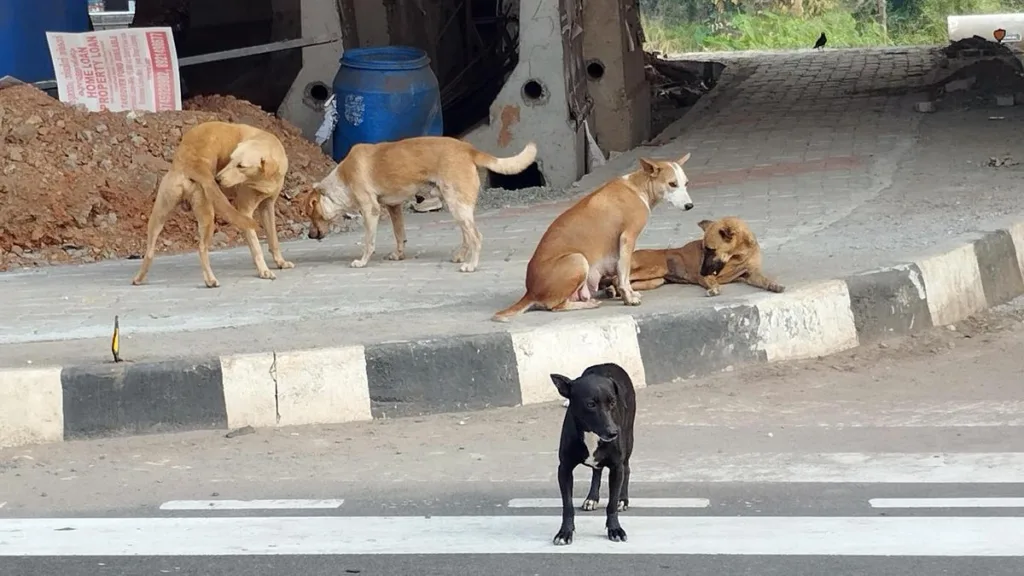
    Kerala aims to eliminate free‑roaming dogs from public spaces within ten years, targeting stray and community dogs in high‑density areas. An expert panel jointly formed by Kerala Veterinary and Animal Sciences University, the animal husbandry department and the Kerala Grama Panchayat Association drafted the roadmap, and Principal Director of Local Self‑Government Divya S Iyer said the department is fully aligned with its vision. The panel cited rising stray‑dog attacks, rabies deaths and densities of 150‑250 dogs per sq km as reasons for intensive sterilisation, vaccination, adoption drives, mandatory pet registration and micro‑chipping, plus scientific waste management. Sanjay D warned that current animal‑birth‑control projects lack continuity because funding is annual, while Shibu Simon urged adoption of both puppies and adult reproducing dogs. “On proposed timelines, we must be practical. Setting up the required infrastructure takes time,” Divya said. The first two years will aim to cut density to 10‑15 dogs per sq km, create a dedicated corpus fund, expand ABC centres, set up high‑volume veterinary facilities, a Veterinary Public Health Wing and integrate registration with the KSMART platform.
  • Panel proposes 10 year roadmap for stray dog issue in Keralam

    News

    Panel proposes 10 year roadmap for stray dog issue in Keralam

    A committee of Kerala Veterinary and Animal Sciences University experts has submitted a 10‑year roadmap to manage stray dogs in Kerala. The 20‑chapter document, prepared by KVASU, the Animal Husbandry Department and the Kerala Grama Panchayat Association, was handed to Local Self‑Government Minister K. M. Shaji after a draft was submitted on August 18. The plan, aligned with the Animal Birth Control (ABC) Rules 2023 and Supreme Court directives, outlines four phases: adoption, shelters, ABC centres and waste management in the first two years; zero human rabies deaths by 2030 and reducing dog density to 2‑5 per sq km; ending births through sustained sterilisation and a zero‑abandonment policy; and keeping public places free of roaming dogs. Kerala reports about 4.5 lakh street dogs in 2024, up from 3 lakh in 2019, with 3.69 lakh bite victims in 2025 and 122 rabies deaths from 2021‑2025. A committee member said, “Providing this maintenance subsidy could save the government 50% to 75% of the cost of maintaining dogs in shelters.” Implementation will need coordinated action by Local Self‑Government, Animal Husbandry, Health and Home departments and public participation.

  • ‘Self approval, self policing’: PETA India’s Anjana Aggarwal tears into govt’s draft rules on animal testing

    News

    ‘Self approval, self policing’: PETA India’s Anjana Aggarwal tears into govt’s draft rules on animal testing

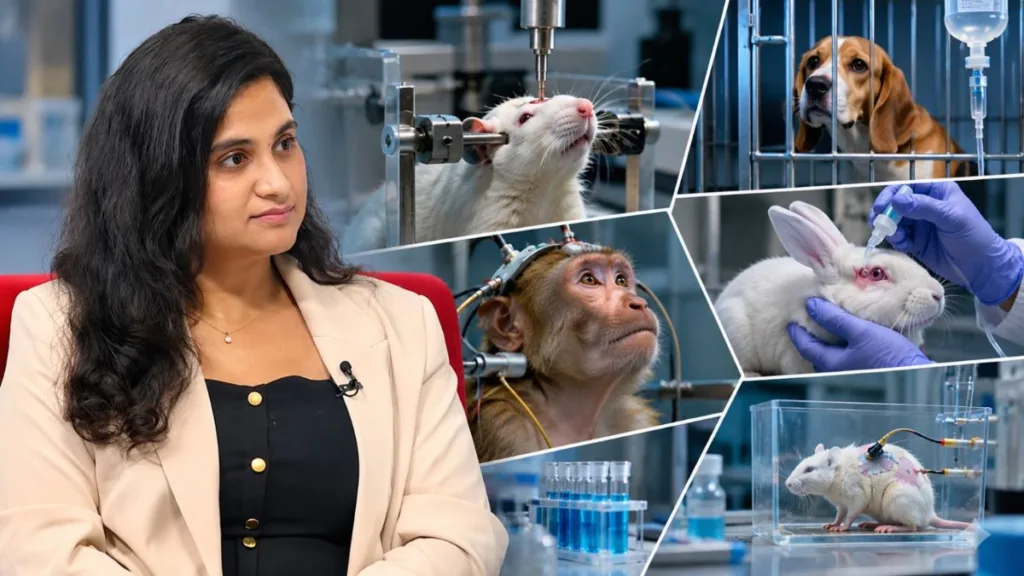
    The Centre’s draft Prevention of Cruelty to Animals (Control and Supervision of Experiment, Breeding and Trading of Laboratory Animals) Rules, 2026, released in Oct 2026, has drawn criticism from PETA India. Dr Anjana Aggarwal, Scientist and Research Policy Advisor at PETA India, said the draft could weaken independent oversight and allow protected wildlife and community animals to be used in laboratories. She warned that “if these draft rules are notified, institutions will monitor themselves” and that the process could become a rubber‑stamp. The rules would replace the 1968 and 1998 rules and the Centre is accepting suggestions until 5 Nov 2026. Dr Aggarwal noted the absence of an openly available database on animal experiments, citing the CCSEA’s lack of public records. She urged India to adopt alternative methods such as organ‑on‑chips, organoids, computational and AI models, and to align with the European Union’s 2026 non‑animal testing framework.

From the Library

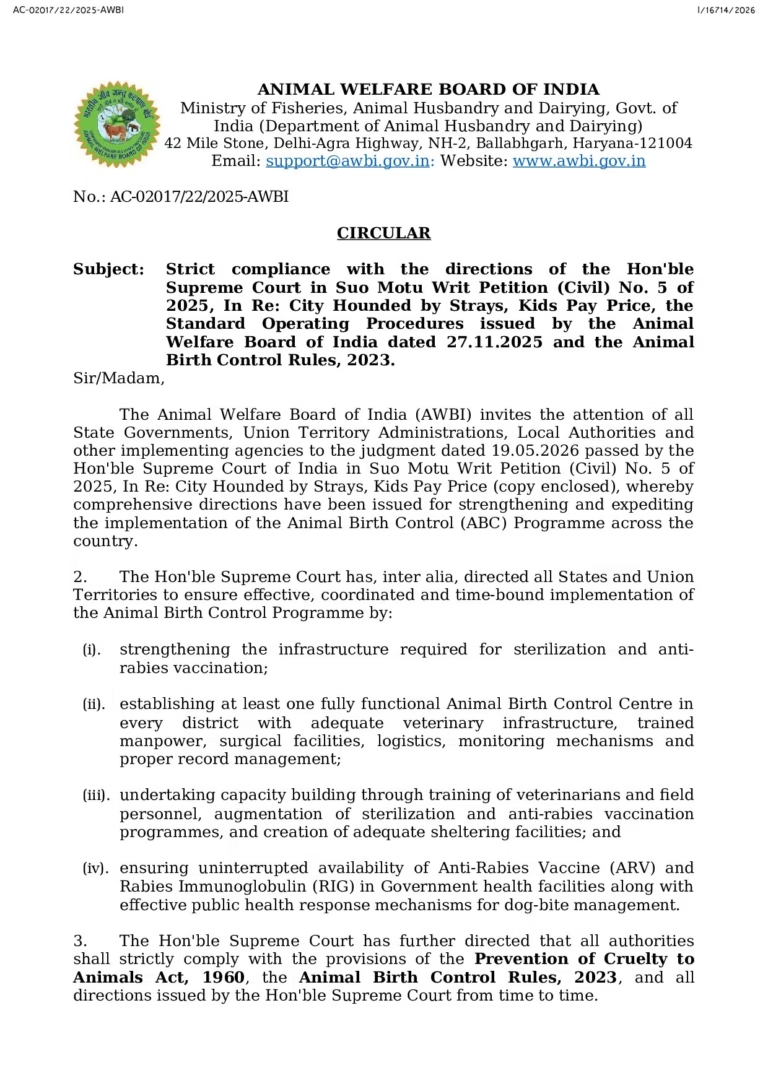
  • Page 1 of Strict compliance with the directions of the Hon’ble Supreme Court in Suo Motu Writ Petition (Civil) No. 5 of 2025

    Circular

    Stray dog orders and ABC Rules: AWBI compliance circular

    The Animal Welfare Board of India issued a circular requiring strict adherence to stray dog management regulations. The notice mandates compliance with Supreme Court of India orders from a 2025 case, the board's standard operating procedures, and the Animal Birth Control Rules, 2023. These directions apply to all state governments, union territory administrations, local authorities, and implementing agencies across the country.

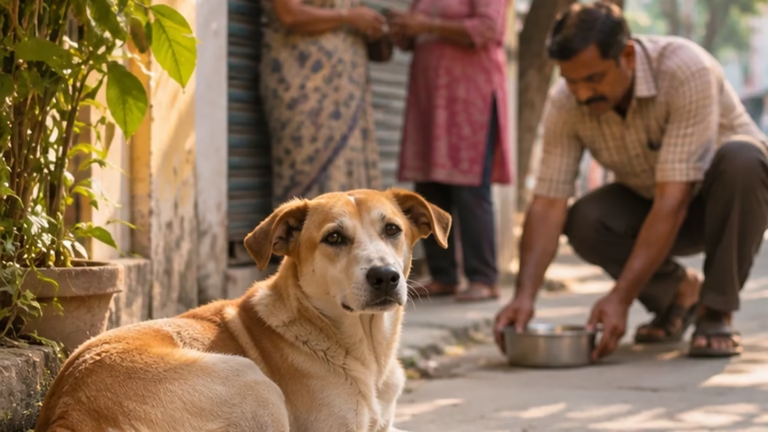
  • Brown community dog lying in a sunny lane while a man crouches to fill a steel bowl and two women stand behind.

    Judgment

    Vineeta Srinandan v. High Court of Bombay (2025 INSC 1408)

    The Supreme Court of India is reviewing a case involving Vineeta Srinandan and the High Court of Judicature at Bombay, focusing on the validity of the High Court's judgment regarding an apology refusal. The case arose from a challenge to the Animal Birth Control Rules, 2023 by Seawoods Estates Ltd., which included an intervention application concerning the actions of Srinandan, a former director. The proceedings took place on 10 Dec 2025.

  • A thick stack of printed papers on a wooden desk by a window, with a binder clip and a pencil beside it.

    Rule

    Draft Prevention of Cruelty to Animals (Control and Supervision of Experiment, Breeding and Trading of Laboratory Animals) Rules, 2026 (GSR 864E)

    The Committee for Control and Supervision of Experiments on Animals issued the Draft Laboratory Animals Rules, 2026 under the Prevention of Cruelty to Animals Act, 1960. The notification, issued on 30 Sep 2026, sets out updated standards for scientific and educational experiments involving animals. The new framework will replace India's older 1968 and 1998 rules on experiments on animals. Under the proposed system, each experiment would be classed as non-recovery, mild, moderate or severe. A laboratory's own institutional animal ethics committee would be permitted to approve mild and moderate procedures. The Committee for Control and Supervision of Experiments on Animals would retain approval authority for severe and non-recovery procedures performed on animals positioned above rodents and rabbits. Some farm animals, fish and birds could come from the open market with the approval of the ethics committee. The public and interested stakeholders can send formal objections or suggestions regarding the draft text to the Committee for Control and Supervision of Experiments on Animals until 5 Nov 2026.

Get Animal Writes updates

News, important developments and practical guides — no spam.

Newsletter

Email me Animal Writes updates. I can unsubscribe at any time.