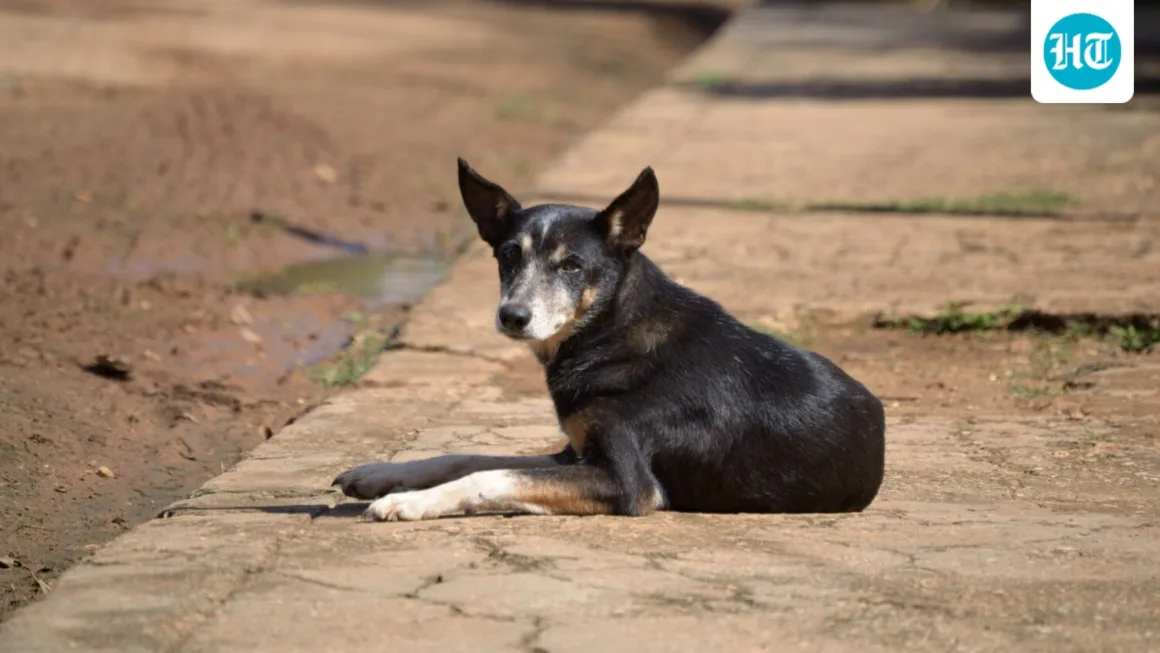
Stray dogs and community dogs share an evolutionary and spiritual bond with humans, facing modern challenges of coexistence across India. Archaeological and genomic evidence cited in the report places the existence of domesticated dogs at least 14,000 to 16,000 years ago through mutual adaptation. Modern neuroscience cited in the text shows that mutual gazing stimulates an oxytocin-mediated feedback mechanism in both species, reinforcing emotional attachment. In Sanatan Dharma, the dog or Shvan symbolises loyalty, vigilance, and moral responsibility, appearing in texts such as the Mahabharata during the Mahaprasthanika Parva where Yudhishthira refuses to abandon a dog, and in the Rigveda as guardians of Yama. Lord Kala Bhairava maintains an association with dogs as his vahana, while festivals like Kukur Tihar in Nepal offer tangible social expression through reverence. Readers can explore these historical and spiritual bonds to foster humane canine coexistence and compassion toward street dogs in their communities.