From letters to the Supreme Court to a year-round resource for animals. Read the story

Three generations in the wild: rescued rhino ‘Ganga’ becomes a grandmother at Manas

Three generations in the wild: rescued rhino ‘Ganga’ becomes a grandmother at Manas

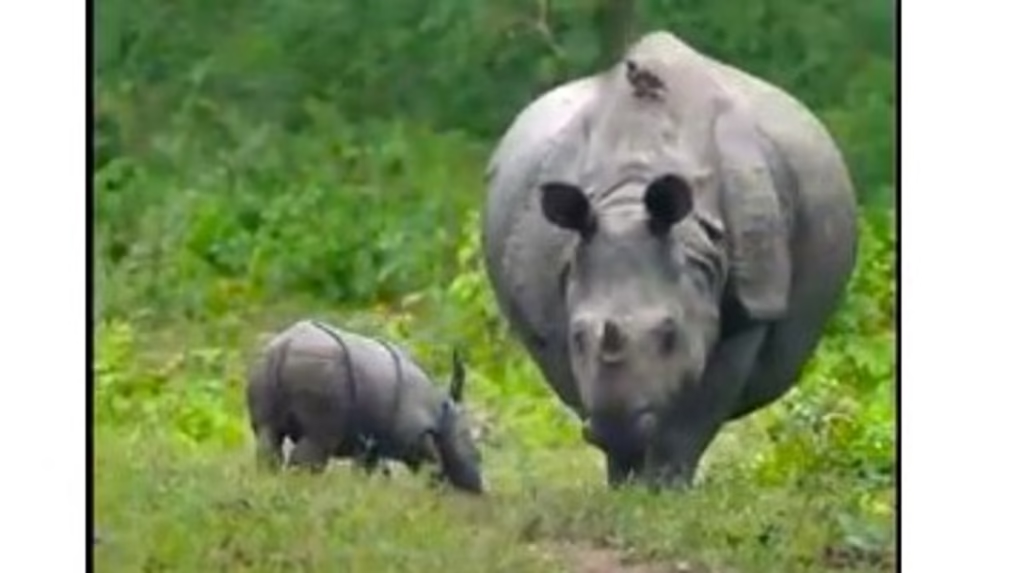
India’s 22-year-old rescued rhino Ganga has become a grandmother after the birth of a newborn greater one-horned rhino calf at Manas National Park in Baksa district, Assam. The calf was delivered by Ganga-Ka, the second-generation rhino born to Ganga. Ganga was rescued as a 4-month-old stranded infant from the 2004 Brahmaputra floods in Kaziranga National Park, hand-raised at the Centre for Wildlife Rehabilitation and Conservation, and translocated to Manas National Park in 2007. This birth marks the first three-generation lineage of a rehabilitated rhino in the wild in India. The Assam Chief Minister hailed the event on social media. Dr. Bhaskar Choudhury, Head Veterinarian for the Wildlife Trust of India, stated, “The fact that the second generation of calves is breeding in the wild is a clear indication of the success of our rhino rehabilitation efforts.” Poaching and civil unrest wiped out the local rhino population in the 1990s, but sustained conservation work by the Assam Forest Department, Wildlife Trust of India, and IFAW restored the population to over 50 rhinos. Assam Forest Department officials confirmed that frontline protection staff are maintaining a round-the-clock watch on the newborn and mother.

Sources

Read the original (opens in a new tab)Summary written by Animal Writes. Read the original before relying on it.

More in Disaster and Emergency Rescue

  • ‘Self approval, self policing’: PETA India’s Anjana Aggarwal tears into govt’s draft rules on animal testing

    News

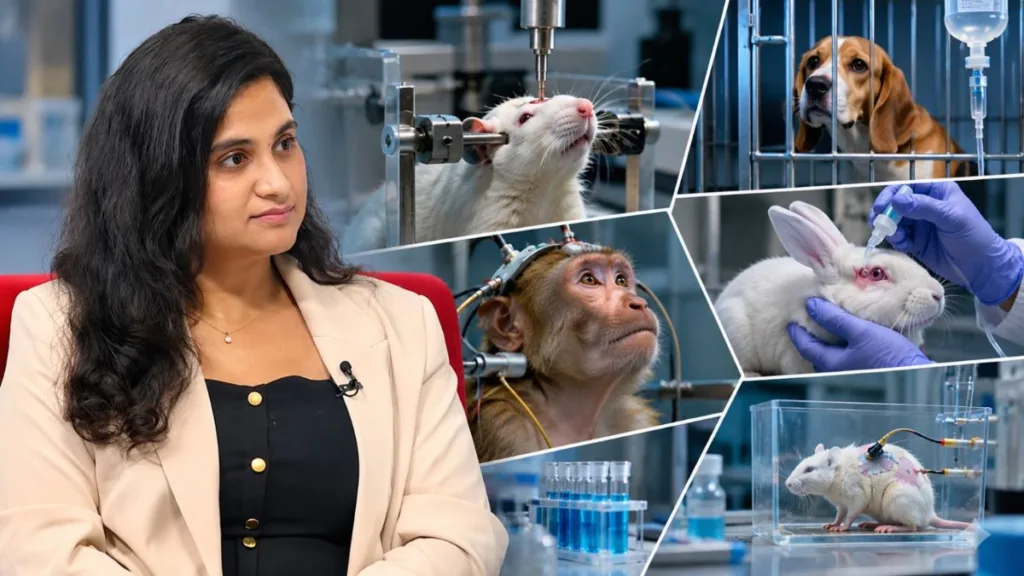
    ‘Self approval, self policing’: PETA India’s Anjana Aggarwal tears into govt’s draft rules on animal testing

    The Centre’s draft Prevention of Cruelty to Animals (Control and Supervision of Experiment, Breeding and Trading of Laboratory Animals) Rules, 2026, released in Oct 2026, has drawn criticism from PETA India. Dr Anjana Aggarwal, Scientist and Research Policy Advisor at PETA India, said the draft could weaken independent oversight and allow protected wildlife and community animals to be used in laboratories. She warned that “if these draft rules are notified, institutions will monitor themselves” and that the process could become a rubber‑stamp. The rules would replace the 1968 and 1998 rules and the Centre is accepting suggestions until 5 Nov 2026. Dr Aggarwal noted the absence of an openly available database on animal experiments, citing the CCSEA’s lack of public records. She urged India to adopt alternative methods such as organ‑on‑chips, organoids, computational and AI models, and to align with the European Union’s 2026 non‑animal testing framework.
  • PETA’s plea: Celebrities, politicians, scientists sign against Centre’s draft on animal cruelty rules

    News

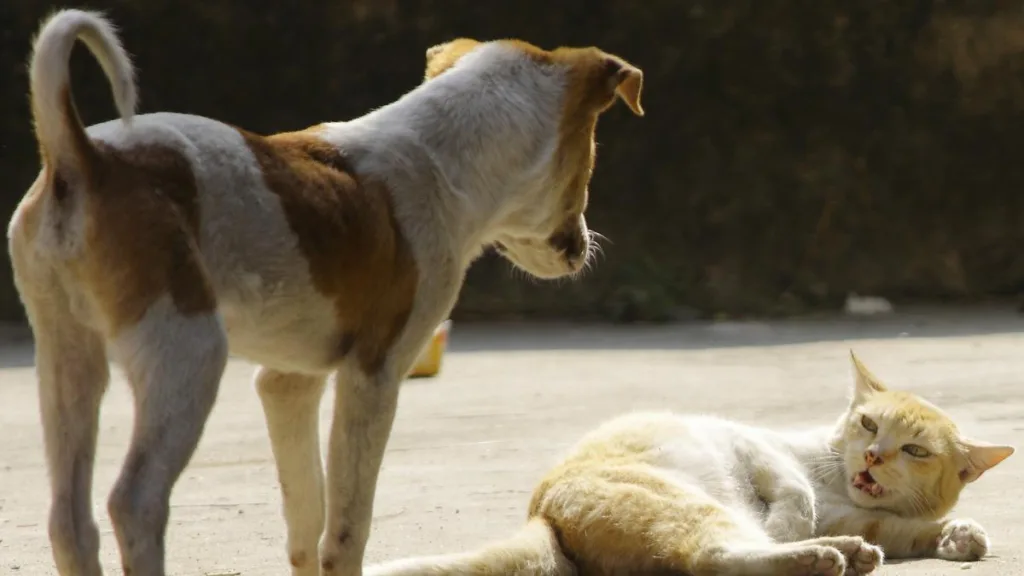
    PETA’s plea: Celebrities, politicians, scientists sign against Centre’s draft on animal cruelty rules

    Celebrities, politicians, and scientists in New Delhi opposed draft animal cruelty rules for laboratory animals, fearing weakened animal protection safeguards. PETA India stated that over 18,000 people, including actors John Abraham, Tabu, and Hema Malini, along with parliamentarians and scientists, signed the appeal seeking the withdrawal of the Prevention of Cruelty to Animals (Control and Supervision of Experiment, Breeding and Trading of Laboratory Animals) Rules, 2026. The proposed rules aim to replace the Breeding of and Experiments on Animals (Control and Supervision) Rules, 1998, by introducing institutional self-regulation for pharmaceutical, medical, and academic research. The Government stated that the draft rules strengthen ethical accountability and invited objections and suggestions until November 5. PETA India alleged that the proposal could increase the capture and use of protected wildlife for experiments, permit community dogs and cats in laboratories, and dilute oversight by the Central Committee for Control and Supervision of Experiments on Animals (CCSEA). PETA India's science and research policy advisor Dr Noopur Jain said, "We must build on this progress, not move backward."

  • Northeast states unite to save India’s only ape from the brink of extinction

    News

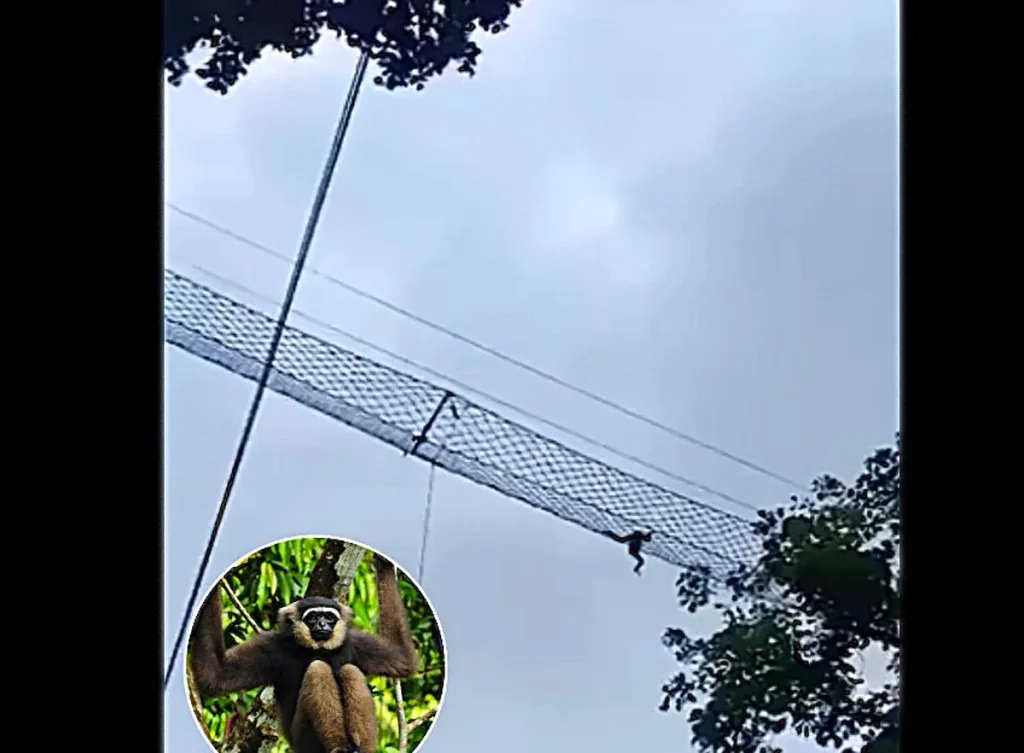
    Northeast states unite to save India’s only ape from the brink of extinction

    Assam, Tripura, and Meghalaya deployed canopy bridges and community guards to protect the Western Hoolock Gibbon, India's only ape, from extinction. State authorities and the Wildlife Institute of India acted after the International Primatological Society named the species among the World's 25 Most Endangered Primates for the 2025–2027 cycle. The International Primatological Society stated that the species faces extinction threats. Fewer than 10,000 gibbons survive in northeastern rainforests after a 90 percent population crash over three decades due to linear infrastructure, expanding tea estates, and logging. Dr. Dilip Chetry, Vice-Chair of the IUCN SSC Primate Specialist Group (South Asia), warned, "The Western Hoolock Gibbon is on the absolute brink." Dr. Dilip Chetry urged a dedicated national Project Gibbon to secure central funding, restore forest corridors, and implement intensive monitoring. In Assam's Hoollongapar Gibbon Sanctuary, state authorities and the Wildlife Institute of India recorded a gibbon using an artificial rope canopy bridge to cross a railway track. The Tripura government activated a state action plan to curb human-wildlife conflict and deploy grassroots communities to guard village groves. Officials from the three states stated that reconnecting fragmented forest canopies remains vital to prevent the permanent disappearance of the singing apes.

From the Library

  • Human wildlife conflict centre and portal launched

    Official Release

    Human wildlife conflict centre and portal launched

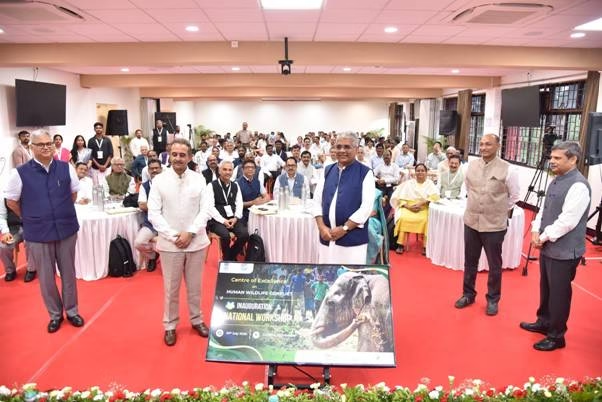
    On 10 Jul 2026, the Union Environment Minister inaugurated a Centre of Excellence for human-wildlife conflict at the Wildlife Institute of India’s SACON campus in Coimbatore. The minister also launched a National Human-Wildlife Conflict Portal on the same day. This newly established center will serve as a national hub for research, innovation, policy support, capacity building, and dissemination of best practices. During the event, officials gathered to deliberate on effective strategies for mitigating human-wildlife conflict and promoting coexistence.

  • 28th meeting of the Wildlife Institute of India Society

    Official Release

    28th meeting of the Wildlife Institute of India Society

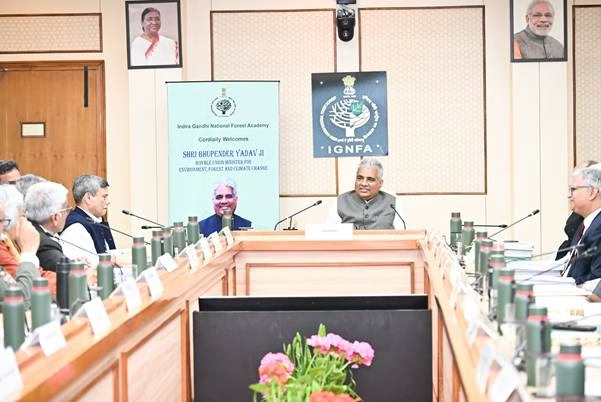
    The Union Minister for Environment, Forest and Climate Change, Shri Bhupender Yadav, chaired the 28th meeting of the reconstituted Wildlife Institute of India (WII) Society at the Central Academy for State Forest Service in Coimbatore. This meeting marked the first gathering since the society's reconstitution for a three-year term. Shri Yadav emphasized the need to align WII’s research, training, and policy-support frameworks with the vision of ‘Viksit Bharat @ 2047’. He stated the importance of focusing on human-wildlife conflict resolution and capacity building. The meeting also featured an overview of WII's achievements and involved participation from various officials and stakeholders in wildlife conservation.

  • 90th meeting of the National Board for Wildlife committee

    Official Release

    90th meeting of the National Board for Wildlife committee

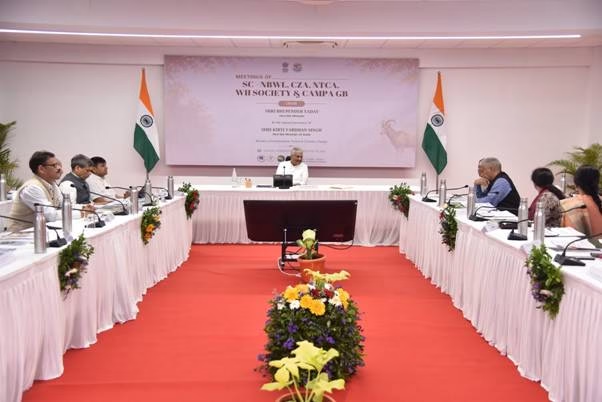
    The Union Minister for Environment, Forest and Climate Change chaired the 90th meeting of the Standing Committee of the National Board for Wildlife in Dehradun to address wildlife conservation. The statutory body constituted under the Wild Life (Protection) Act, 1972 reviewed infrastructure proposals across sectors such as roads, drinking water supply, transmission lines, defence, and irrigation. During the proceedings, a Memorandum of Understanding was signed between the Forest Survey of India and the Bhaskaracharya National Institute for Space Applications and Geo-informatics to strengthen geospatial technologies, remote sensing, and artificial intelligence and machine learning tools in forest fire management and wildlife conservation. The committee also reviewed progress on decisions from the 7th meeting of the National Board for Wildlife regarding species recovery and habitat management. The agenda covered environmental flows in the River Chambal for riverine species like dolphins and gharials during lean seasons. The participants examined the conservation of grasslands and rangelands for biodiversity and pastoral livelihoods, along with the ecological dependence of nomadic communities on Protected Areas. The meeting addressed the conservation status of the wild water buffalo and recommended a conservation action plan for the species.

Get Animal Writes updates

News, important developments and practical guides — no spam.

Newsletter

Email me Animal Writes updates. I can unsubscribe at any time.