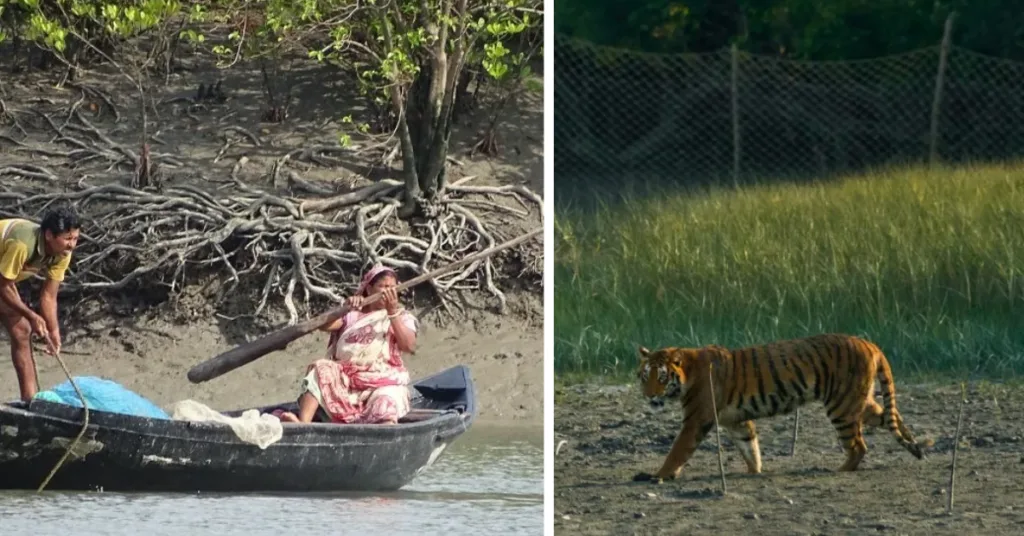
Primary Response Teams trained local volunteers in West Bengal’s Sundarbans to manage tiger sightings safely and help prevent dangerous encounters between people and wildlife. The Wildlife Trust of India stated that 33 newly engaged local volunteers, including 10 women from Kultali block in South 24 Parganas district, participated in a training session on . The training took place at Sundarban Prakritishala, an education centre at Ambikanagar Haripriya High School, led by Dr Abhishek Ghoshal and Prosenjit Sheel with technical support from biologist Samrat Paul. The Wildlife Trust of India explained that Primary Response Teams act as the first point of contact when wildlife enters settlements, helping alert the Forest Department, guiding neighbours, sharing safety advice, and keeping crowds away during emergencies. The initiative matters because tiger encounters pose serious safety concerns for residents who depend on forest-based livelihoods and for the animals themselves. During a previous incident in , forest officials, wildlife experts, and local volunteers successfully guided a tiger back across the Makri River into the mangroves of Kultali over three days without capturing it. The training continues as local volunteers learn about tiger behaviour and monitoring techniques.
An exotic Serval cat died while in the custody of a suspected wildlife trafficker during an illegal transit operation in West Bengal. The West Bengal Forest Department seized the animals…
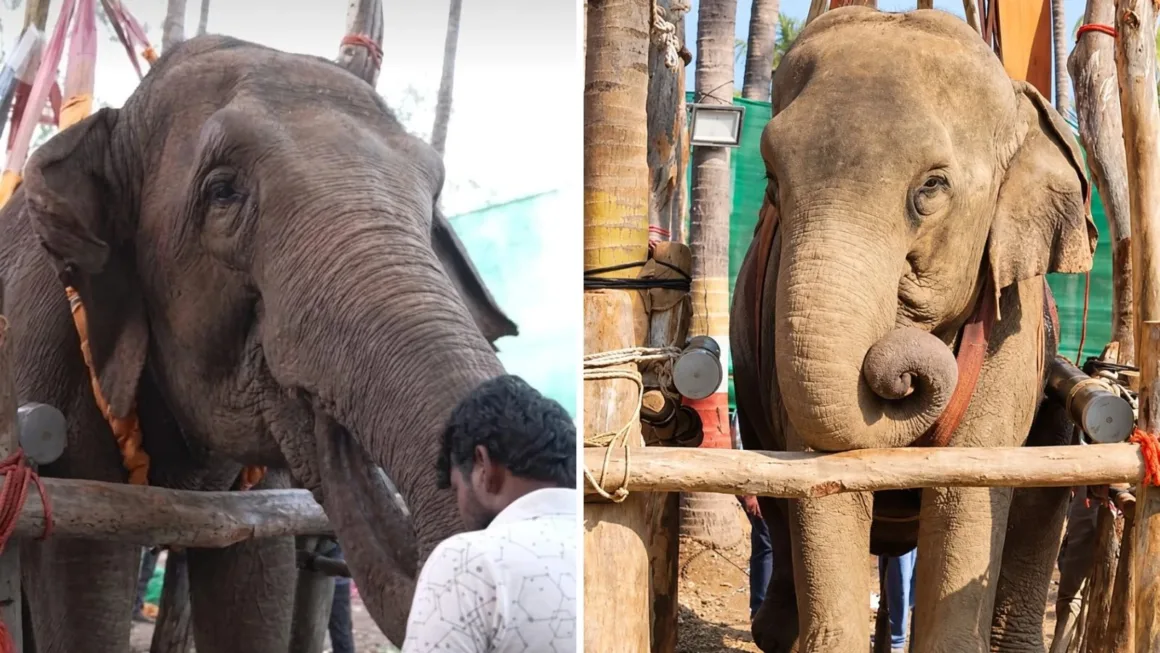
Injuries to a female elephant named Monica have raised concerns about the welfare of captive elephants kept at the Ambabai temple in Kolhapur district, Maharashtra. The NGO PETA India alleged…
The National People's Party requested the Nagaland Governor to examine the legal applicability of the Wildlife (Protection) Act, 1972, in the state. The NPP stated that the central legislation and…
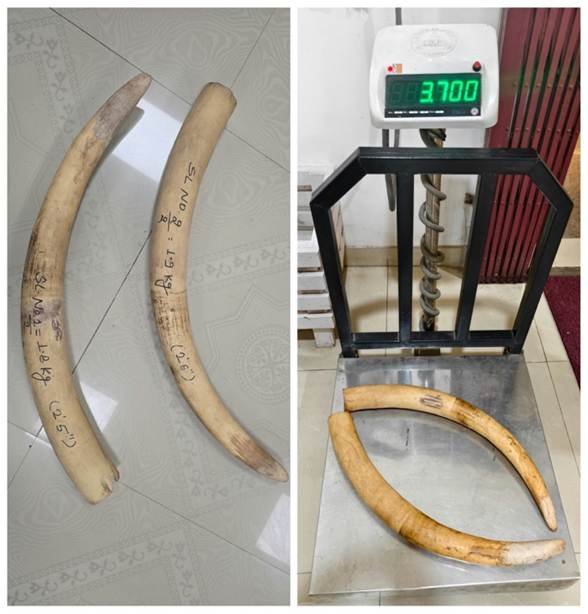
The Directorate of Revenue Intelligence issued an enforcement report detailing the seizure of elephant tusks during a wildlife trafficking operation near Guwahati, Assam. This action applies to law enforcement agencies,…
The Directorate of Revenue Intelligence issued a seizure report detailing how officers foiled an attempt to smuggle live reptiles into India at Trichy Airport. The action applies to international passengers…
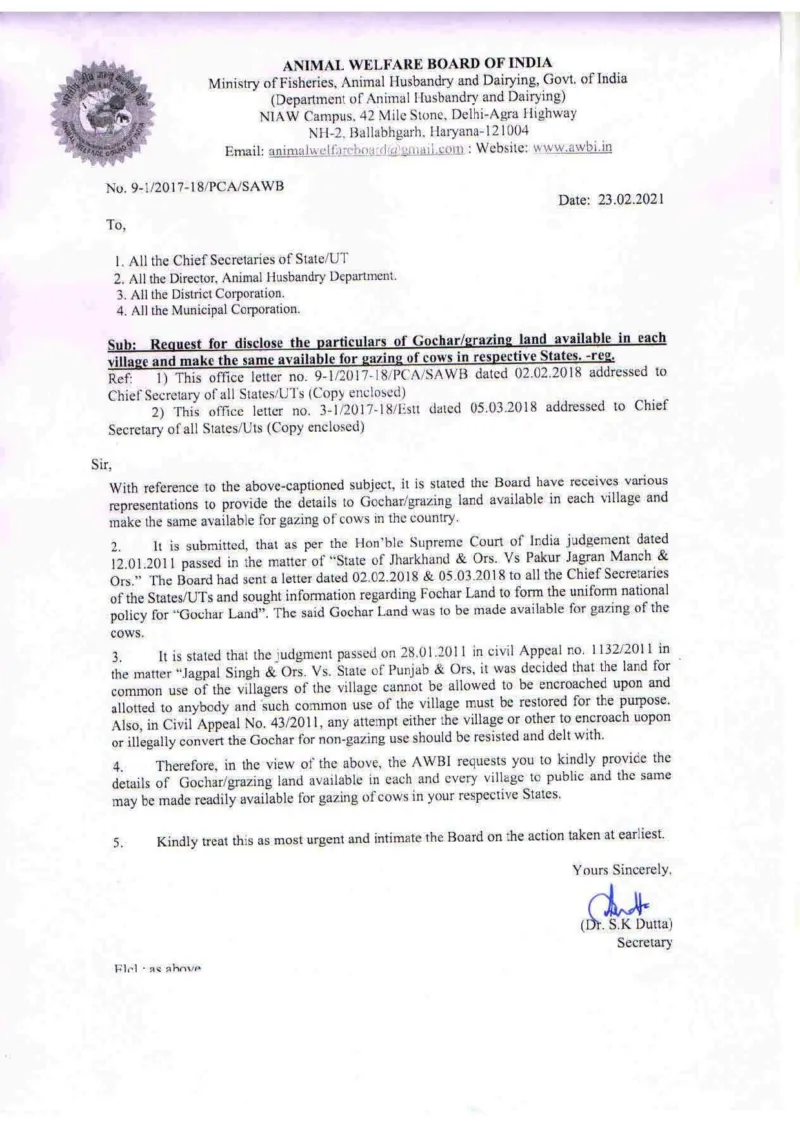
The Animal Welfare Board of India issued a circular dated 23 Feb 2021 directing state and local authorities to disclose and make village gochar (grazing land) available for cow grazing.…
Get Animal Writes updates
News, important developments and practical guides — no spam.