


One Health, One Goal: Stronger Together to End Rabies
World Rabies Day on 28 Sep brings attention to one of the oldest and deadliest zoonotic diseases affecting humans and animals. Each year on 28 Sep, the global observance aims…
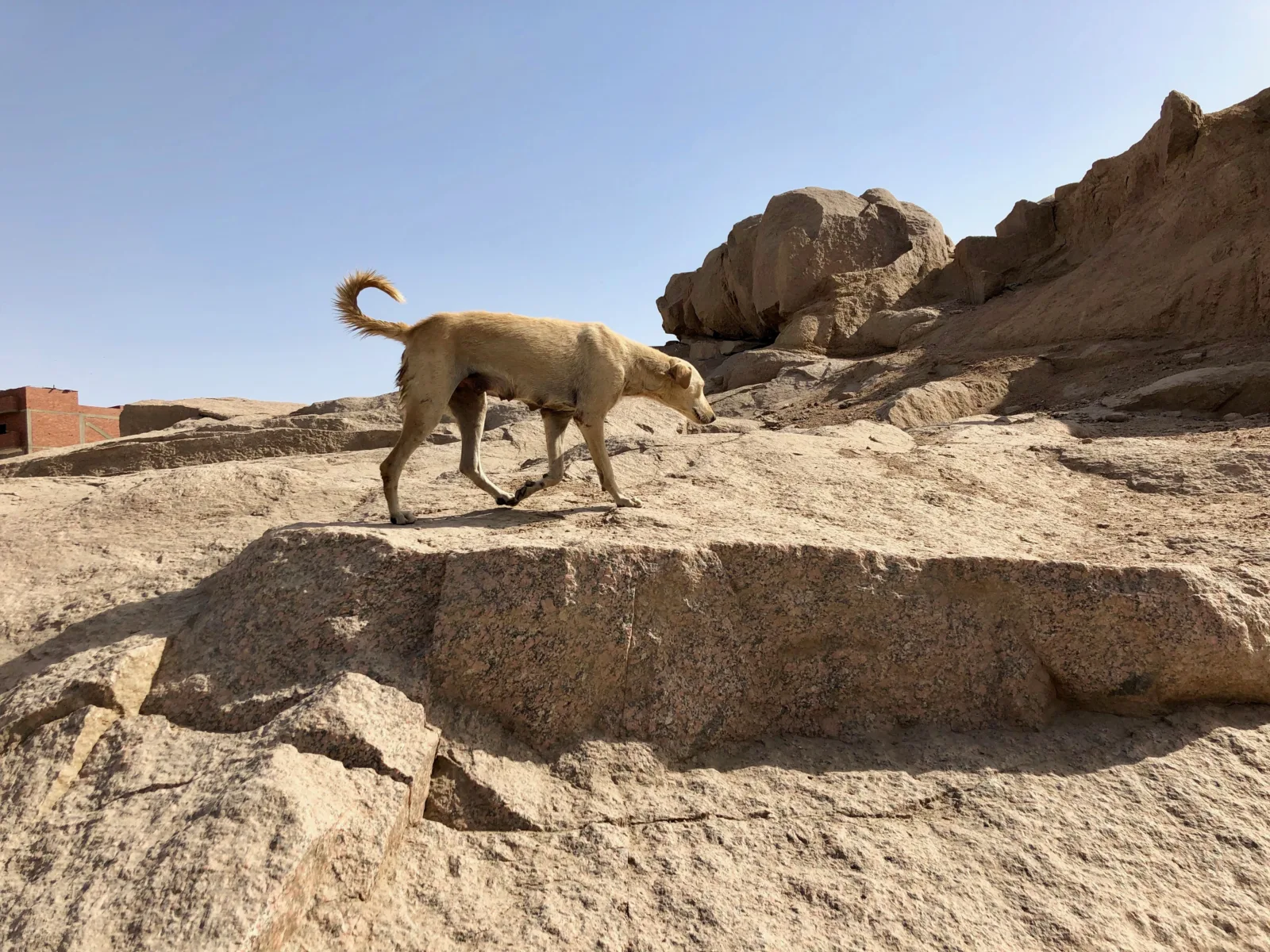
A Research Square study of over 24,000 free-ranging dogs in four Indian shelters from 2018 to 2022 found physical trauma drove most admissions and non-live outcomes reached 40–60%. The researchers analysed intake and outcome records from four geographically distinct animal welfare organisations across India. Average intake volume grew roughly 35% annually. Physical trauma remained the leading admission cause across all sites despite varying climates and urbanisation levels. While live outcomes generally outnumbered non-live ones, non-live rates including death and euthanasia were well above Global North benchmarks. Neurological cases, likely tied to endemic rabies and distemper, had the worst outlook with a median survival of one day. Systemic, gastrointestinal, and musculoskeletal conditions also posed significantly higher risks of non-live outcomes. The overall median stay was eight days, though cancer cases required the longest care. The authors found that Indian shelters function not as rehoming centres but as a downstream safety net for crises stemming from inadequate upstream population management, vaccination, and injury prevention. They identified the lack of standardized data collection as a key barrier to evidence-based policy and recommended shared data standards for the rescue sector.
Rubina Mondal, Alexandra Protopopova and Anindita Bhadra carried out the study, titled “Characterizing shelter intake, length of stay, and outcomes among free-ranging dogs in animal welfare organizations in India”. Read the study.
The study was published in Research Square on . See it in the journal.
A Research Square study of over 24,000 free-ranging dogs in four Indian shelters from 2018 to 2022 found physical trauma drove most admissions and non-live outcomes reached 40–60%. Read the full study.
Summary written by Animal Writes. Read the original before relying on it.
World Rabies Day on 28 Sep brings attention to one of the oldest and deadliest zoonotic diseases affecting humans and animals. Each year on 28 Sep, the global observance aims…
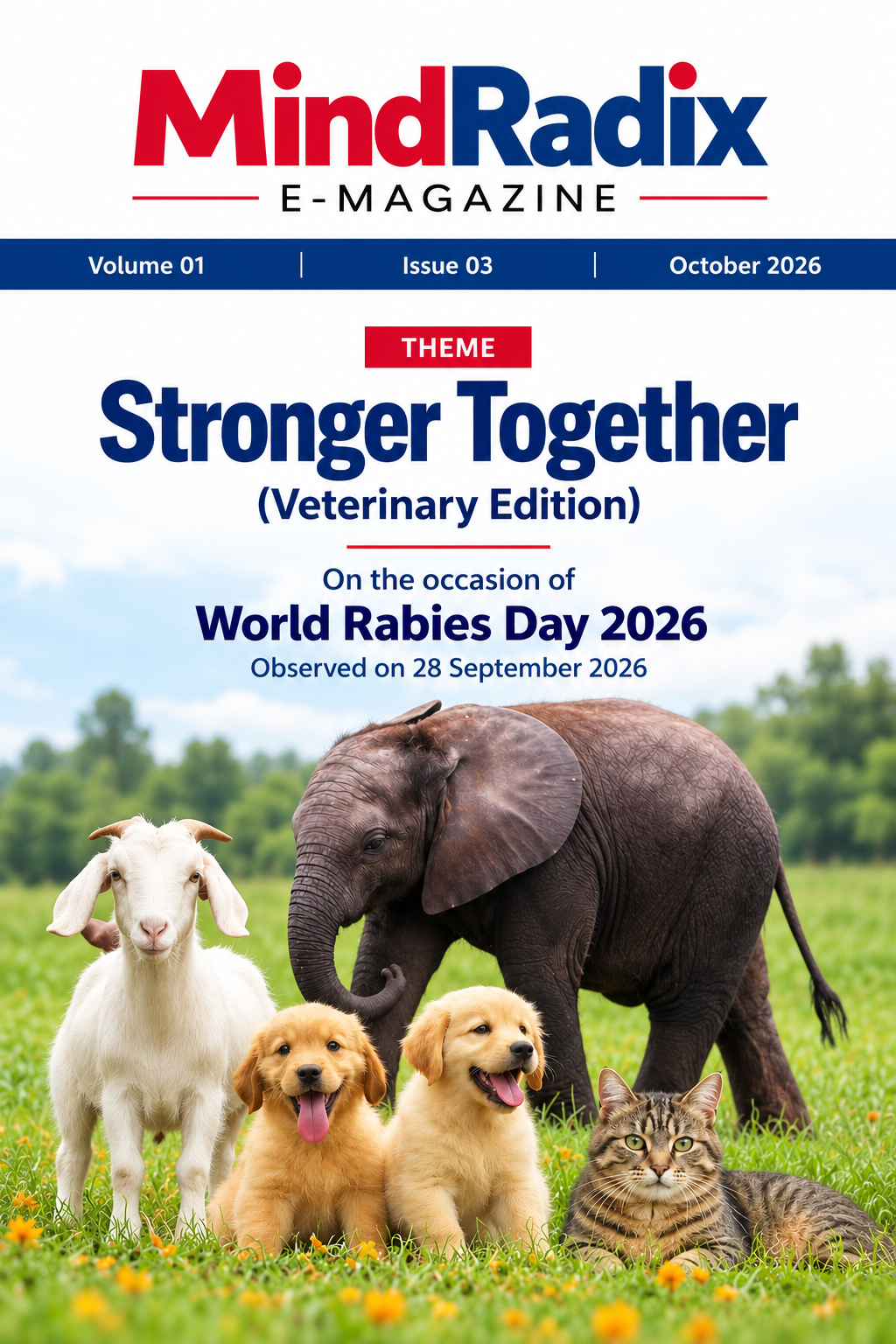
MindRadix E-Magazine reports that rabies kills an estimated 59,000 people globally each year, with 99 percent of human cases from dog bites, and India bears a large share of these…

Most animal-bite patients at a North Indian anti-rabies clinic were bitten during routine activities without intentional contact, a retrospective review of 233 records from a tertiary clinic found. Researchers from…
The Press Information Bureau issued an official update detailing the expansion of veterinary infrastructure, mobile vet units, and doorstep services for animal healthcare, including plans in Goa for veterinary hospitals…

The Ministry of Fisheries, Animal Husbandry and Dairying informed the Rajya Sabha on 22 Jul 2026 regarding measures to improve veterinary services, dairy networks, and stray dogs management. The Government…
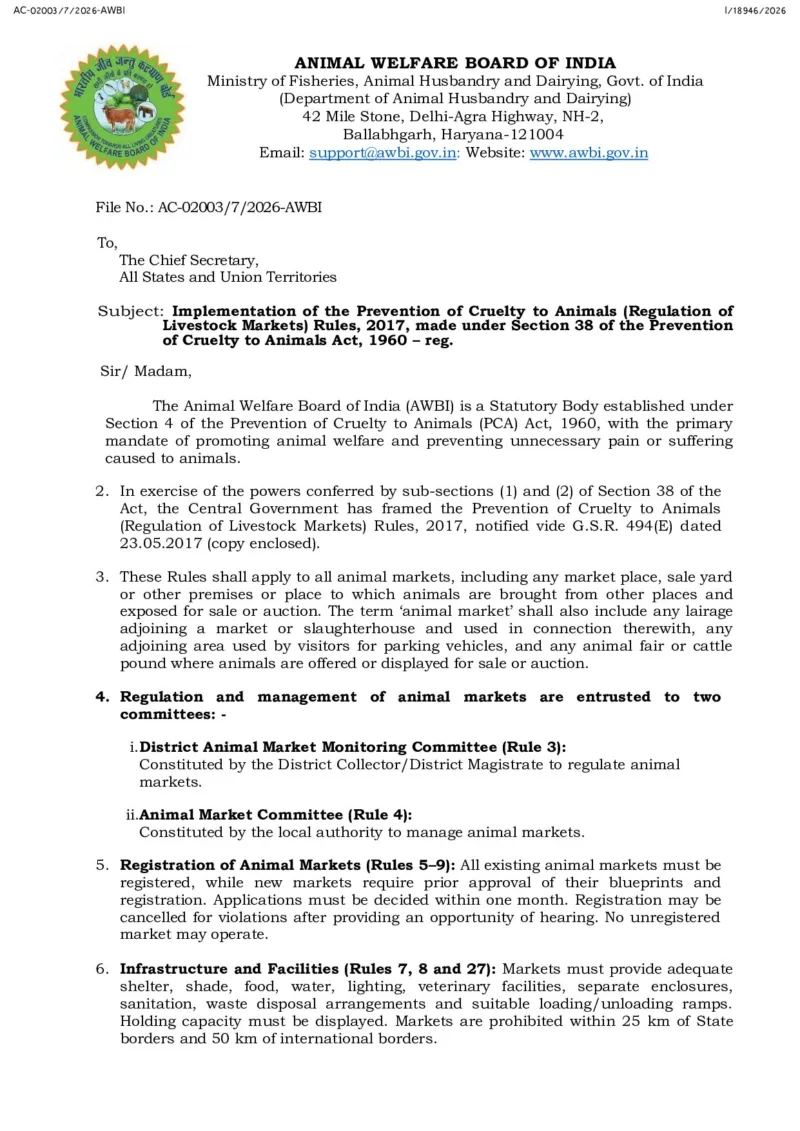
The Animal Welfare Board of India issued a circular directing the implementation of the Prevention of Cruelty to Animals (Regulation of Livestock Markets) Rules, 2017, for all livestock market authorities.…
News, important developments and practical guides — no spam.