

From letters to the Supreme Court to a year-round resource for animals. Read the story

Centre approves limestone mining project near endangered Great Indian Bustard habitat

Centre approves limestone mining project near endangered Great Indian Bustard habitat

The Centre’s Expert Appraisal Committee approved a limestone mining project near the endangered Great Indian Bustard habitat in Jaisalmer, Rajasthan. The project lease spans more than 250 hectares and sits 1.77 kilometres away from a Great Indian Bustard priority area. The Wildlife Institute of India stated in a site assessment study that indirect impacts fall within the priority zone and proposed a focused conservation plan, noting that “mining operations and GIB conservation can coexist in this area.” The Wildlife Institute of India warned that mining activities could reduce grassland productivity, which the bird depends on. The appraisal committee also recently recommended terms of reference for UltraTech Cement Limited’s limestone mining project in Joga, spanning over 400 hectares, and a project by Star Cement North East Limited. The wild Great Indian Bustard population has dropped from between 1,260 and 1,400 birds in the early 1970s to only about 150 remaining today. Roughly 130 of these birds live in Rajasthan, while the rest survive across Gujarat, Maharashtra, Karnataka, Telangana and Andhra Pradesh, facing a high risk of local extinction. Readers can monitor further developments regarding environmental clearances and committee approvals for industrial projects near sensitive wildlife zones.

Sources

Read the original (opens in a new tab)Summary written by Animal Writes. Read the original before relying on it.

More in Birds

  • Why India calls its grasslands wasteland and what that word has cost wildlife

    News

    Why India calls its grasslands wasteland and what that word has cost wildlife

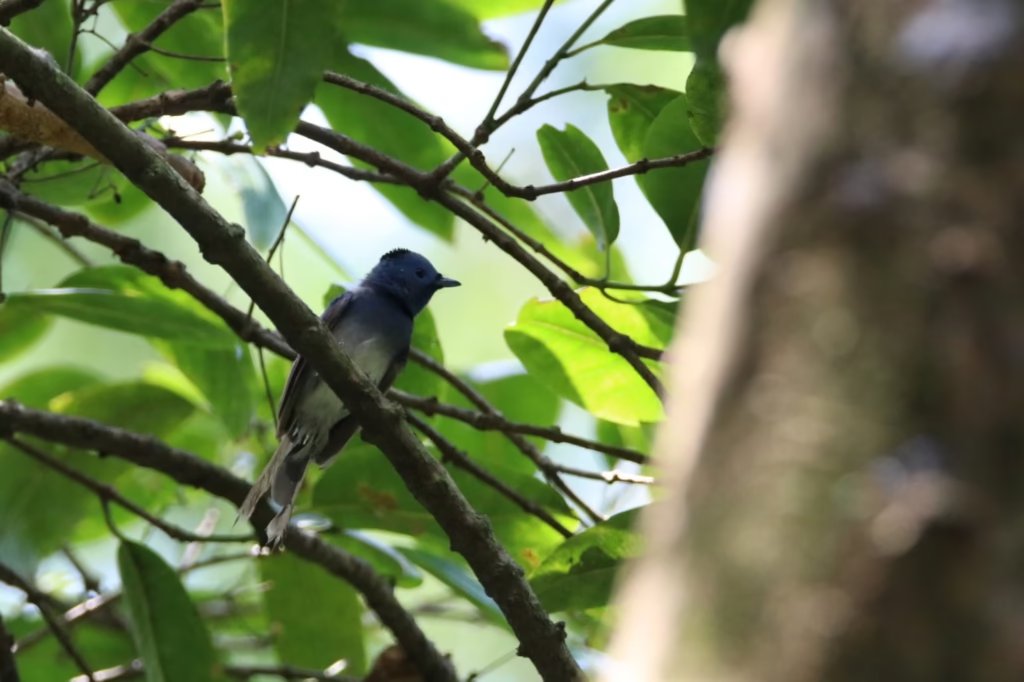
    India’s classification of natural grasslands as wastelands threatens the survival of endangered wildlife including the Great Indian Bustard, Lesser Florican, and Indian Grey Wolf across several ecological regions. The Ministry of Rural Development and the Department of Land Resources record these habitats in the Wasteland Atlas of India, primarily affecting arid zones in Rajasthan and Gujarat. Researchers from the Ashoka Trust for Research in Ecology and the Environment alleged that officials mislabel "ecologically productive" areas as unproductive land to facilitate industrial projects. This policy enables the diversion of vital grazing lands for solar farms and tree plantations, which the NGO stated destroys the specialized biodiversity of open natural ecosystems. The Supreme Court of India recently directed a committee to define these areas correctly to prevent the extinction of birds sensitive to habitat changes.

  • Indore Metro Project: MP High Court permits tree felling, but directs phased cutting under bird experts’ supervision

    News

    Indore Metro Project: MP High Court permits tree felling, but directs phased cutting under bird experts’ supervision

    The Madhya Pradesh High Court permitted the felling of trees for the Indore Metro project while ordering measures to protect nesting birds in Indore, Madhya Pradesh. A division bench of the High Court issued these directions in Indore after a petition raised concerns about the impact of the construction on local avian populations. The court held that the Indore Metro Rail Corporation must carry out the tree cutting in a phased manner under the supervision of bird experts. This supervision aims to ensure that no nests are destroyed during the breeding season, as the court noted the importance of balancing infrastructure development with environmental conservation. The Indore Municipal Corporation and the forest department are tasked with identifying suitable locations for transplanting trees and rehabilitating any affected wildlife. The project proponents must submit periodic compliance reports to the court to confirm that the felling adheres to the stipulated wildlife protection guidelines.

  • Mumbai Government Railway Police welcome PETA India in leading workshop to combat cruelty to animals following bird seizure from train

    News

    Mumbai Government Railway Police welcome PETA India in leading workshop to combat cruelty to animals following bird seizure from train

    An animal cruelty workshop was organized after a bird was seized on a Mumbai local train. The Mumbai Government Railway Police participated in the session coordinated with PETA, as reported by Free Press Journal. Police officials noted that unlawful capture of wildlife on public transport breaches the Prevention of Cruelty to Animals Act, 1960 and poses health risks. The police chief stated, "We must ensure that no animal is harmed on our trains and that staff are trained to handle such situations." The workshop will train railway staff on humane handling and legal duties, and a follow-up audit is planned within the next month.

From the Library

  • CBI DRI Joint Action Busts Wildlife Trafficking Racket 53 Protected Animals/ Birds Rescued, 06 Accused Arrested

    Official Release

    CBI DRI Joint Action Busts Wildlife Trafficking Racket 53 Protected Animals/ Birds Rescued, 06 Accused Arrested

    The Central Bureau of Investigation (CBI) and DRI, Mumbai, conducted a joint operation that disrupted a wildlife trafficking network, resulting in the rescue of 53 protected animals and birds. The operation, supported by the Wildlife Crime Control Bureau, involved multiple locations in Maharashtra and West Bengal. Rescued species included 15 Slow Loris, 2 Binturong, 28 Star Tortoises, 6 Egyptian Vultures, and 2 Shikra birds. Six suspects were arrested, three in Mumbai and three in Kolkata, under the Wildlife (Protection) Act, 1972, and Criminal Conspiracy under Bhartiya Nyaya Sanhita, 2023. The investigation is ongoing.

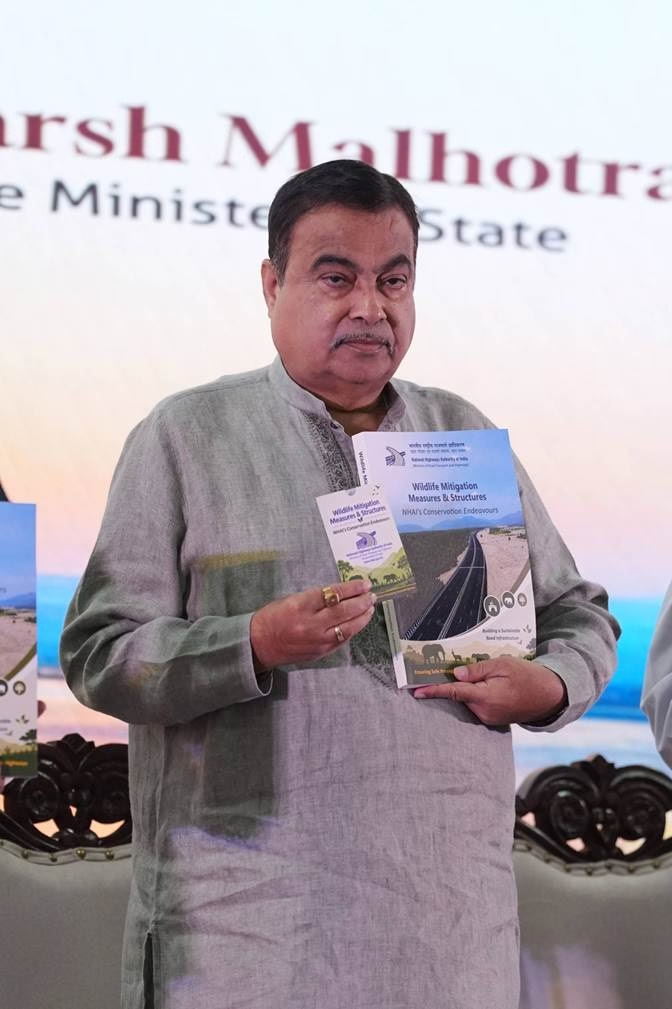
  • NHAI Releases Document on ‘Wildlife Mitigation Measures & Structures’ Highlighting Strengthened Wildlife Conservation Measures Along National Highways

    Official Release

    NHAI Releases Document on ‘Wildlife Mitigation Measures & Structures’ Highlighting Strengthened Wildlife Conservation Measures Along National Highways

    The National Highways Authority of India issued a document titled “Wildlife Mitigation Measures & Structures.” The paper outlines new and reinforced measures intended to protect wildlife along the country’s national highways. It details specific structures and strategies for conserving animals in these areas, backed by an investment of over Rs. 19,700 crore and more than 2,150 wildlife mitigation structures.

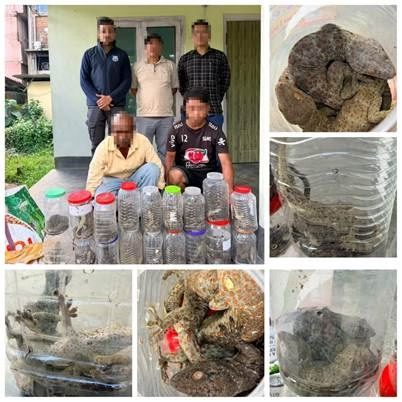
  • DRI seizes 86 live Tokay Geckos in Assam in a crackdown on wildlife trafficking; two arrested

    Official Release

    DRI seizes 86 live Tokay Geckos in Assam in a crackdown on wildlife trafficking; two arrested

    The Directorate of Revenue Intelligence confiscated 86 live Tokay geckos in Assam during a wildlife trafficking crackdown. Acting on specific intelligence regarding an illegal trade deal, officers intercepted two individuals at Bandar Chalia Gaon Ground in Mariani. The endangered animals were seized under the provisions of the Wildlife (Protection) Act, 1972, and the two apprehended persons were subsequently handed over to the Mariani Range Forest office for further action.