The Case Property Animals Rules, 2017 say what happens to an animal seized in a cruelty case while the case runs. The Ministry of Environment, Forest and Climate Change notified them on (G.S.R. 495(E)) under the Prevention of Cruelty to Animals Act, 1960. A government veterinary officer checks, identifies and marks the animal; hot and cold branding are banned. The magistrate may send it to an infirmary, pinjrapole, SPCA, animal welfare organisation or gaushala. Each year the State Animal Welfare Board fixes a daily rate for the transport, food and treatment of each species, and the accused and the owner must give a bond for that cost within three days, or the animal is forfeited to the shelter. If they cannot pay, the local authority pays and recovers the money as land revenue. If the accused is convicted or pleads guilty, the animal is forfeited to the shelter and put up for adoption; if acquitted, it is returned. A person charged under the Act may not adopt, dogs and cats are spayed or neutered before adoption, and an adopter may not sell or abandon the animal. The Supreme Court stayed these rules on and lifted the stay on . For a rescuer, this means a seized animal does not have to go back to the accused while the case is on.
The Case Property Animals Rules, 2017 were notified on as G.S.R. 495(E).
Section 3 of the Case Property Animals Rules, 2017 provides a seized animal is checked and marked by a government vet and housed where the magistrate decides; no branding. Read the full section.
Section 4 of the Case Property Animals Rules, 2017 provides the State Board fixes a daily cost of care for each species every year. Read the full section.
Section 5 of the Case Property Animals Rules, 2017 provides the accused and the owner give a bond for the cost within three days, or the animal is forfeited to the shelter. Read the full section.
The Committee for Control and Supervision of Experiments on Animals issued the Draft Laboratory Animals Rules, 2026 under the Prevention of Cruelty to Animals Act, 1960. The notification, issued on…
The Ministry of Fisheries, Animal Husbandry and Dairying issued Notification G.S.R. 552(E) on 30 Jun 2026, a fee schedule under the Prevention of Cruelty to Animals Act, 1960 that sets…
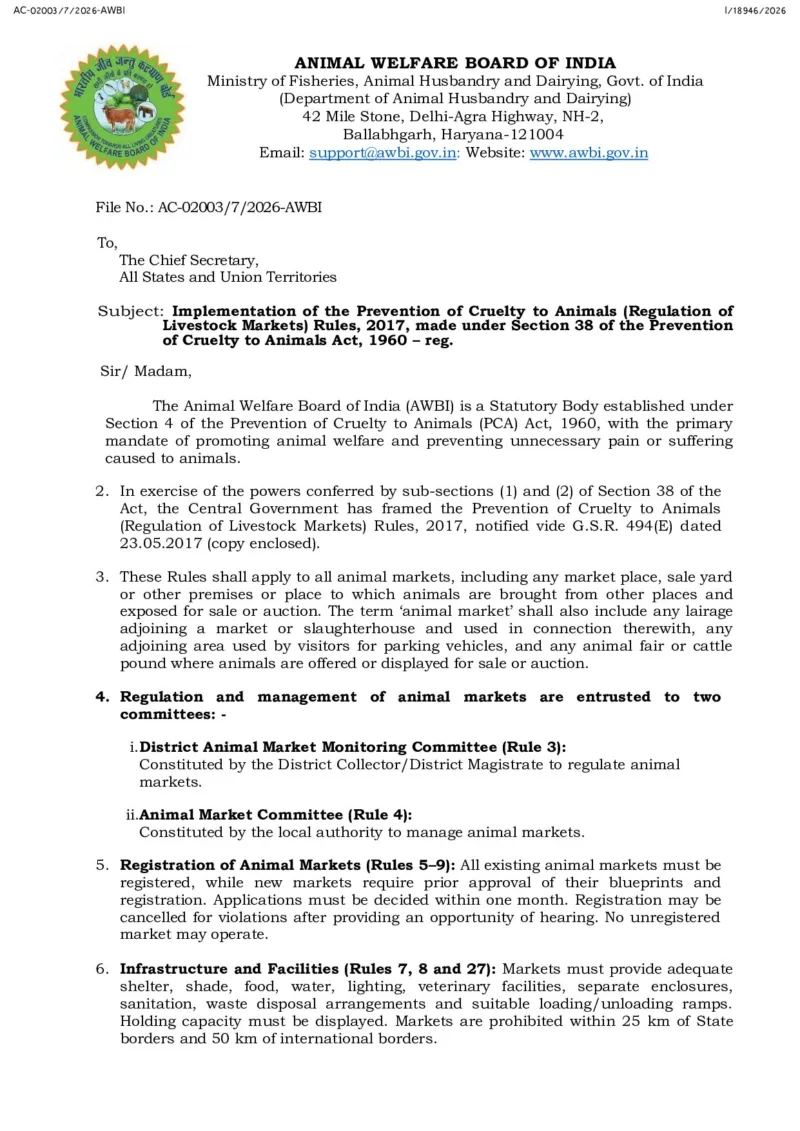
The Animal Welfare Board of India issued a circular directing the implementation of the Prevention of Cruelty to Animals (Regulation of Livestock Markets) Rules, 2017, for all livestock market authorities.…
West Bengal Chief Minister Suvendu Adhikari stated that cow slaughter would be prevented in the state through strict enforcement of the West Bengal Animal Slaughter Control Act, 1950, and relevant…
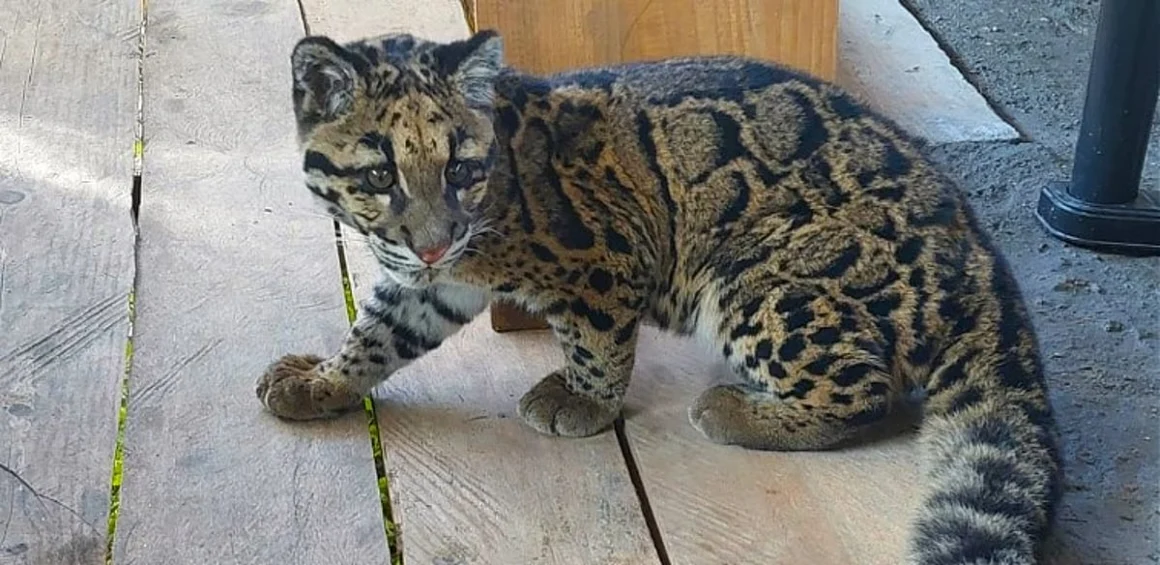
A Schedule I protected clouded leopard was rescued near Senge village in West Kameng district, Arunachal Pradesh. The Bomdila Forest Division acted after receiving tips about the wild animal, carrying…
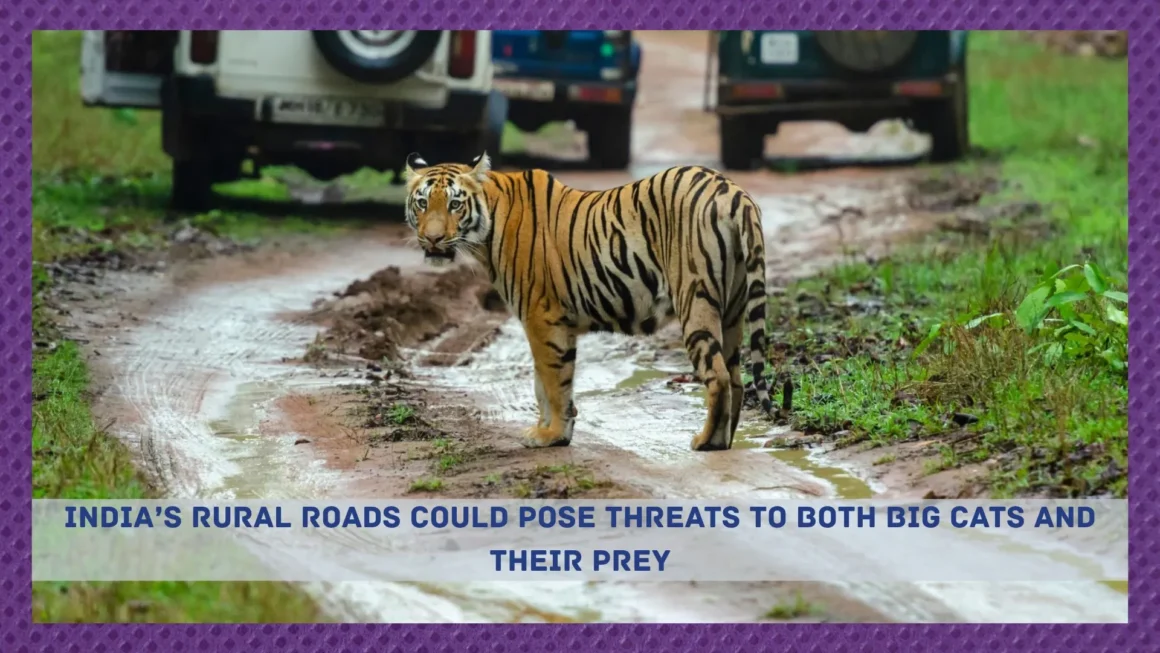
Rural roads in central India’s tiger heartland pose severe danger to tigers, leopards and their prey, a new study finds. Researchers from the Wildlife Institute of India analysed 32,500 km…