

From letters to the Supreme Court to a year-round resource for animals. Read the story

Can smog affect stray dogs, cats and birds too?

Can smog affect stray dogs, cats and birds too?

Smog can severely affect stray dogs, stray cats, and birds, raising serious health concerns for animals living outdoors during periods of heavy air pollution. Veterinary experts stated that toxic air and high particulate matter levels can cause respiratory distress, eye irritation, and chronic breathing difficulties in community animals and birds. According to veterinarians, continuous exposure to hazardous smog poses severe health risks, potentially leading to long-term lung damage and weakened immune systems in affected wildlife and street animals. Animal welfare advocates advise feeders and caregivers to provide clean drinking water and sheltered resting spots to help protect street dogs and cats from toxic pollutant exposure during peak pollution days.

This is part of our Diwali campaign: see what to do before, on the night and after, and who to call, on our Diwali page.

Sources

Read the original (opens in a new tab)Summary written by Animal Writes. Read the original before relying on it.

More in Birds

  • India marks One Health Day, calls for stronger surveillance against zoonotic diseases

    News

    India marks One Health Day, calls for stronger surveillance against zoonotic diseases

    Stray dogs, domestic animals, and wildlife are the focus as India observes One Health Day to strengthen disease surveillance and prevent zoonotic diseases from spreading between animals and humans. The government stated that the National One Health Mission coordinates multiple departments to improve early warnings and outbreak responses. The Indian Council of Medical Research implements the mission, while the Office of the Principal Scientific Adviser provides scientific coordination and oversight. The government framework involves over 13 ministries and departments working on an integrated approach to disease prevention. The government framework reported that 22 laboratories are part of a network of high-containment facilities intended to support the investigation of outbreaks involving human, livestock, and wildlife populations. Infectious diseases affecting humans that originate in animals include rabies, Nipah virus infection, avian influenza, leptospirosis, and certain forms of viral haemorrhagic fever. Health experts stated that monitoring human populations alone may not be sufficient to identify emerging threats, and surveillance systems must also examine animal populations, wildlife habitats, food production chains, and environmental conditions. The initiative aims to establish stronger early-warning systems and improve access to disease-related information to support coordinated investigations when cross-species infections are identified.

  • Animal welfare volunteers seek suspension of NGO running ABC centre in Coimbatore

    News

    Animal welfare volunteers seek suspension of NGO running ABC centre in Coimbatore

    Animal welfare volunteers have sought the suspension of an NGO running an Animal Birth Control centre for stray dogs in Coimbatore over alleged cruelty. On a Monday, volunteers submitted a complaint to the Coimbatore District Collector against Prani Mithran, the NGO managing the facility at Ondipudur. The volunteers alleged that the operator violated the Animal Birth Control Rules, 2023, pointing to improper sterilisation surgeries, neglectful feeding, and careless relocation of street dogs. They also reported unsanitary medical tools, unhygienic kennels, and abusive handling of animals at the location. The complaint also stated that SPCA cruelty coordinator V. Balakrishnan was assaulted during a recent inspection of the Ondipudur centre and is undergoing hospital care. Citing recurring violations, the volunteers urged the District Collector to suspend the NGO from managing the facility.

  • Kashmir’s wetlands draw 13 lakh birds, but who treats injured wildlife?

    News

    Kashmir’s wetlands draw 13 lakh birds, but who treats injured wildlife?

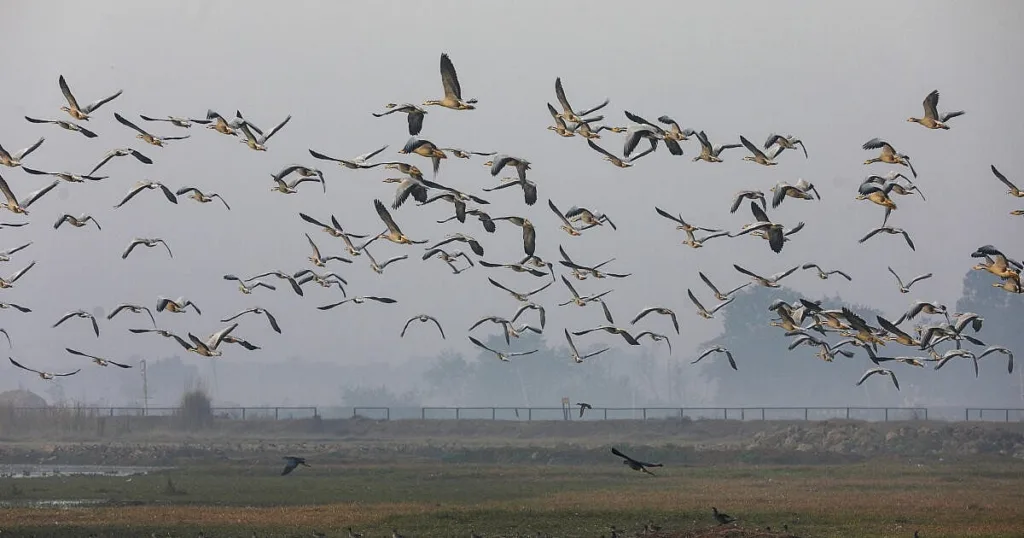
    Migratory birds arrived in the wetlands of Kashmir, drawing 13 lakh birds to the region. The large influx of migratory birds raises critical questions about rescue operations and medical care for injured wildlife in the area. Observers and wildlife enthusiasts asked about the availability of specialised veterinary facilities, rescue equipment, and trained personnel to treat wounded birds visiting the wetlands during the seasonal migration. The wildlife department faces challenges in managing wounded animals across multiple wetland sites without dedicated avian medical units. Officials have not yet announced a timeline for establishing dedicated treatment centres for injured migratory birds, leaving local rescue workers to handle cases with limited resources. Animal welfare advocates can urge the forest department to set up emergency rescue camps and permanent veterinary care units near major wetlands to protect the birds during the winter season.

From the Library

  • Government steps on vet services, dairy and stray dogs

    Official Release

    Government steps on vet services, dairy and stray dogs

    The Government of India announced on 22 Jul 2026 a set of measures aimed at bolstering veterinary services, widening the reach of dairy cooperatives, and improving the management of stray dogs across the country. The plan includes upgrading veterinary infrastructure, expanding cooperative networks for milk producers, and introducing new programs for stray-dog control and welfare. These ongoing and planned efforts seek to strengthen animal healthcare, accelerate dairy development, and enhance humane stray-dog management nationwide.

  • 53 protected animals and birds rescued, 6 arrested

    Official Release

    53 protected animals and birds rescued, 6 arrested

    The Central Bureau of Investigation (CBI) and DRI, Mumbai, conducted a joint operation that disrupted a wildlife trafficking network, resulting in the rescue of 53 protected animals and birds. The operation, supported by the Wildlife Crime Control Bureau, involved multiple locations in Maharashtra and West Bengal. Rescued species included 15 Slow Loris, 2 Binturong, 28 Star Tortoises, 6 Egyptian Vultures, and 2 Shikra birds. Six suspects were arrested, three in Mumbai and three in Kolkata, under the Wildlife (Protection) Act, 1972, and Criminal Conspiracy under Bhartiya Nyaya Sanhita, 2023. The investigation is ongoing.

  • 45 live reptiles seized at Trichy airport, 2 arrested

    Official Release

    45 live reptiles seized at Trichy airport, 2 arrested

    The Directorate of Revenue Intelligence issued a seizure report detailing how officers foiled an attempt to smuggle live reptiles into India at Trichy Airport. The action applies to international passengers and wildlife smugglers operating through airports. According to Free Press Journal, officers intercepted two Indian passengers arriving from Bangkok via Colombo on 26 Oct 2026. A systematic examination of passenger baggage led to the recovery of forty-five live reptiles concealed inside twenty-seven food packets while the sedated animals remained hidden. The seized animals comprised twenty-three Corn Snakes, sixteen Ball Pythons, five Argentine Black and White Tegus, and one Snow White Iguana. Two passengers faced arrest by the Air Intelligence Unit, Trichy, under the provisions of the Customs Act, 1962, and the recovered wildlife went to the unit for further necessary action. In practice, this means travellers attempting to transport animals illegally face baggage searches, confiscation of concealed wildlife, and arrest under federal customs laws. Readers can report suspected wildlife trafficking activity to customs authorities and airport intelligence units.

Get Animal Writes updates

News, important developments and practical guides — no spam.

Newsletter

Email me Animal Writes updates. I can unsubscribe at any time.