
From letters to the Supreme Court to a year-round resource for animals. Read the story

India emerges as major destination for trafficked orangutans and other endangered apes

India emerges as major destination for trafficked orangutans and other endangered apes

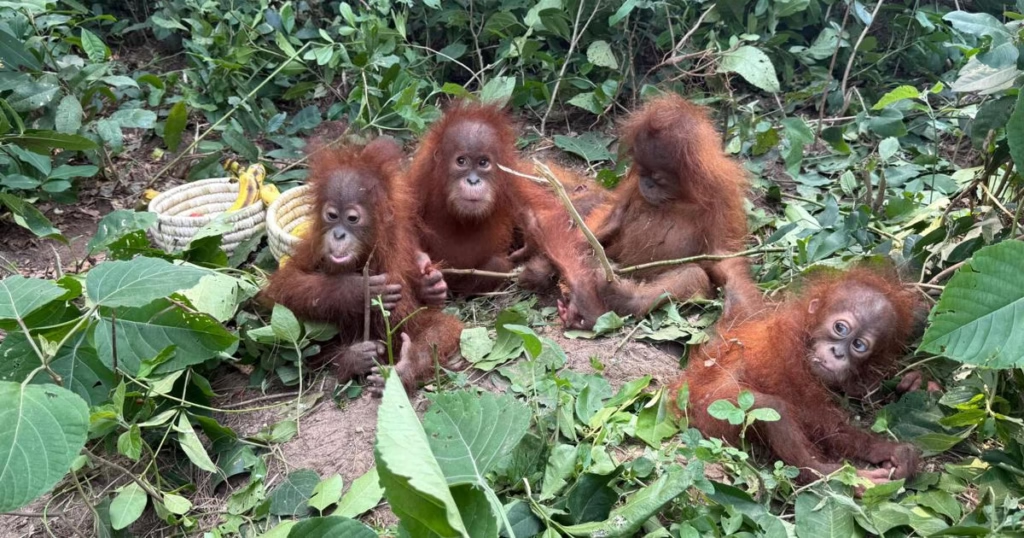
India has emerged as a major destination for trafficked orangutans and other endangered apes, with wealthy collectors driving the illegal trade. Sinan Serhadli, a wildlife trafficking expert at the Orangutan Information Centre in Indonesia’s North Sumatra province, stated that the country is now a primary destination for these animals. Wealthy collectors who prize rare animals as “status symbols” are driving the trade in trafficked animals from Southeast Asia, which serves as a regional hub for species originating elsewhere, according to Uttara Mendiratta, a wildlife trafficking researcher in India.

Sources

Read the original (opens in a new tab)Summary written by Animal Writes. Read the original before relying on it.

More in Wildlife

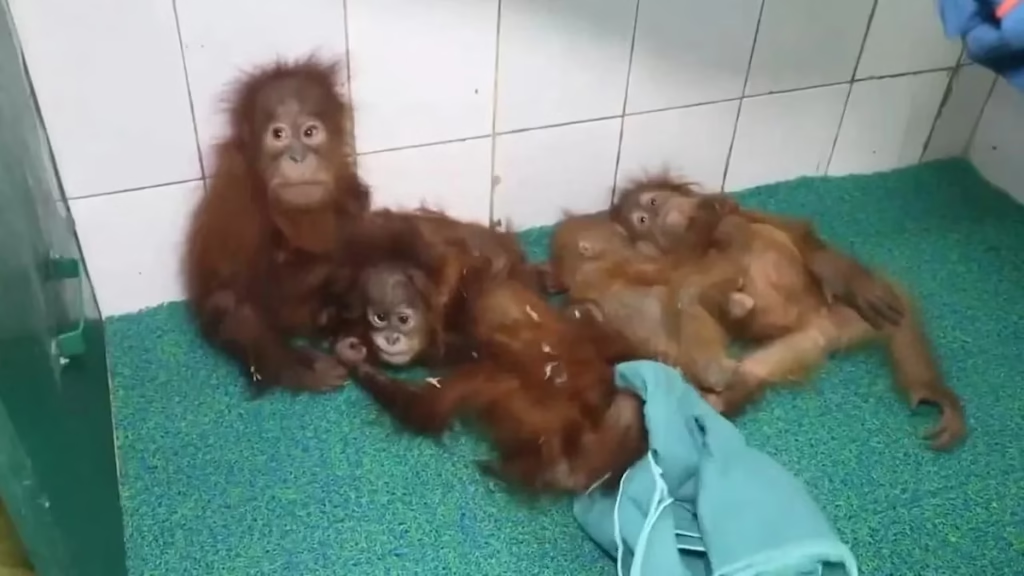
  • Baby orangutans in India expose illegal wildlife trade as experts question a billionaire’s zoo

    News

    Baby orangutans in India expose illegal wildlife trade as experts question a billionaire’s zoo

    Five baby orangutans were found abandoned on a plantation in Bhograi village in Balasore district of Odisha, India, exposing illegal wildlife trade. The DFO Balasore Wildlife Division stated that villagers discovered the three males and two females, aged six to eight months, in early Sep 2026. Experts stated that wealthy collectors, expanding air links with Southeast Asia, and loopholes in wildlife laws are driving the illicit trade of apes into India. Government records show India legally imported 41 orangutans between 2021 and 2024, leading experts to question their origins. Meanwhile, efforts to return rescued orangutans to Indonesia have stalled, and scrutiny over ownership intensified after one orangutan was transferred to a private wildlife facility run by billionaire Mukesh Ambani's family. Veterinarians at Nandankanan Zoo inspected the rescued animals, while officials prepared for repatriation procedures.
  • Meet the Odisha man training 50 volunteers to rescue snakes and save lives

    News

    Meet the Odisha man training 50 volunteers to rescue snakes and save lives

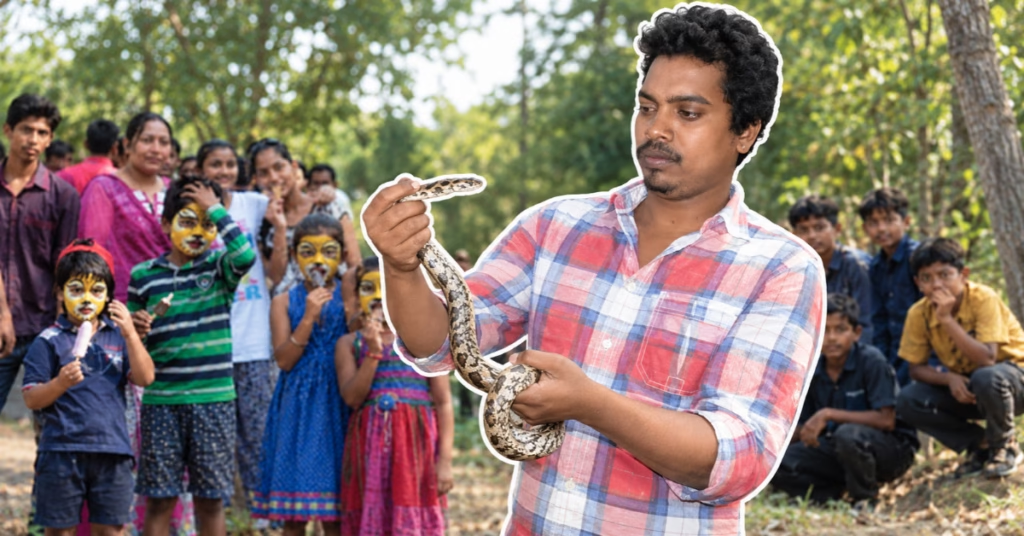
    An Odisha man is training fifty volunteers in snake rescue techniques to save both human lives and reptiles across the region. The training initiative aims to equip local residents with proper handling methods to safely relocate snakes without harming them or endangering the public. The volunteers undergo practical sessions to learn how to identify different snake species and manage rescue operations safely. This effort addresses the frequent human-wildlife conflicts that occur when snakes wander into populated residential areas. The training program continues as organizers prepare the volunteers for independent wildlife rescue work. The educational sessions involve teaching participants about snake behavior, venomous versus non-venomous species identification, and the proper use of rescue equipment. Experienced handlers supervise the field practice to ensure safety protocols are strictly followed during every rescue simulation. Organizers stated that building a network of trained individuals helps reduce panic among residents and prevents unnecessary harm to wildlife when reptiles enter human settlements. The initiative seeks to bridge the gap between wildlife conservation and public safety by fostering awareness and humane treatment of animals across local communities.

  • Two arrested for alleged sale of elephant tusks in Mysuru

    News

    Two arrested for alleged sale of elephant tusks in Mysuru

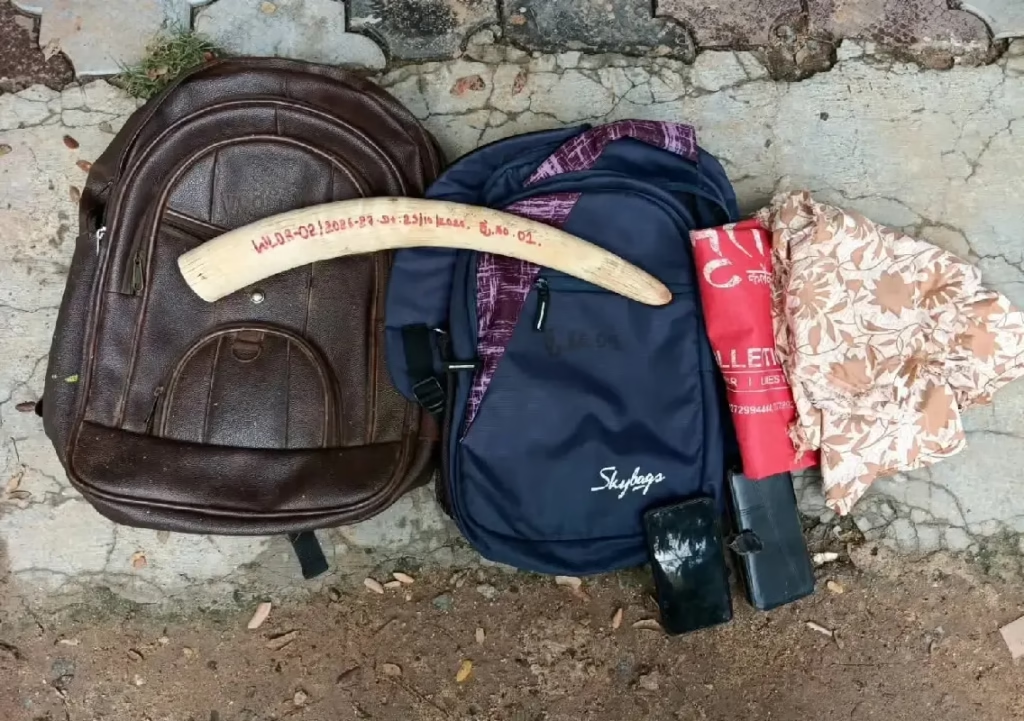
    Two men were arrested for the alleged sale of elephant tusks on Mosambayanahalli Road in Mysuru district, Karnataka. The Forest Mobile Squad stated that the suspects were taken into custody during an operation, while another person reportedly escaped. The Forest Mobile Squad said that elephant tusks, a motorcycle, bags and two mobile phones were seized during the action. The suspects have been remanded to judicial custody as the investigation continues. The Forest Mobile Squad stated that the operation forms part of ongoing efforts by authorities to curb the illegal trade in wildlife products. Unauthorized possession or trade involving elephant body parts attracts serious legal consequences under Indian wildlife laws, posing a conservation threat to elephant populations. Further investigation is expected to establish the source of the tusks, identify intended buyers and trace any wider network involved in the alleged transaction, according to the authorities.

From the Library

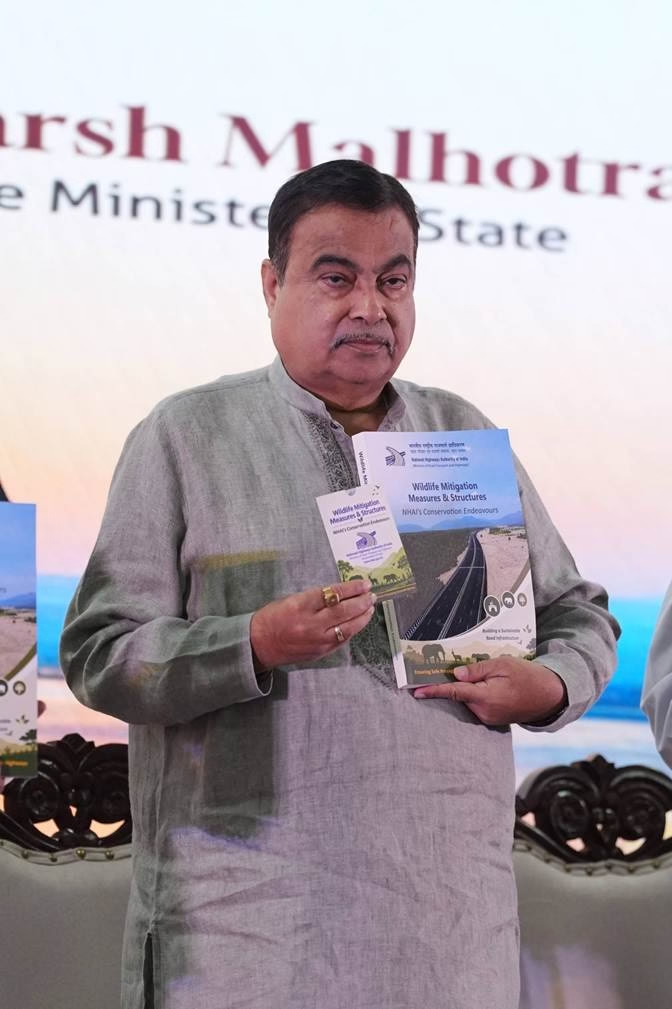
  • NHAI Releases Document on ‘Wildlife Mitigation Measures & Structures’ Highlighting Strengthened Wildlife Conservation Measures Along National Highways

    Official Release

    NHAI Releases Document on ‘Wildlife Mitigation Measures & Structures’ Highlighting Strengthened Wildlife Conservation Measures Along National Highways

    The National Highways Authority of India issued a document titled “Wildlife Mitigation Measures & Structures.” The paper outlines new and reinforced measures intended to protect wildlife along the country’s national highways. It details specific structures and strategies for conserving animals in these areas, backed by an investment of over Rs. 19,700 crore and more than 2,150 wildlife mitigation structures.

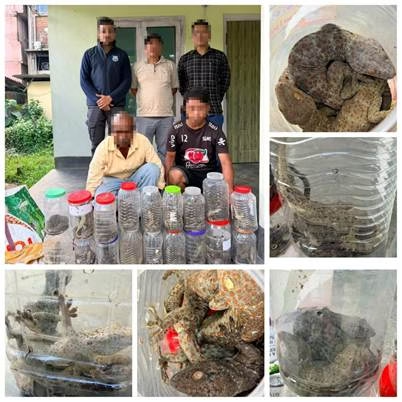
  • DRI seizes 86 live Tokay Geckos in Assam in a crackdown on wildlife trafficking; two arrested

    Official Release

    DRI seizes 86 live Tokay Geckos in Assam in a crackdown on wildlife trafficking; two arrested

    The Directorate of Revenue Intelligence confiscated 86 live Tokay geckos in Assam during a wildlife trafficking crackdown. Acting on specific intelligence regarding an illegal trade deal, officers intercepted two individuals at Bandar Chalia Gaon Ground in Mariani. The endangered animals were seized under the provisions of the Wildlife (Protection) Act, 1972, and the two apprehended persons were subsequently handed over to the Mariani Range Forest office for further action.

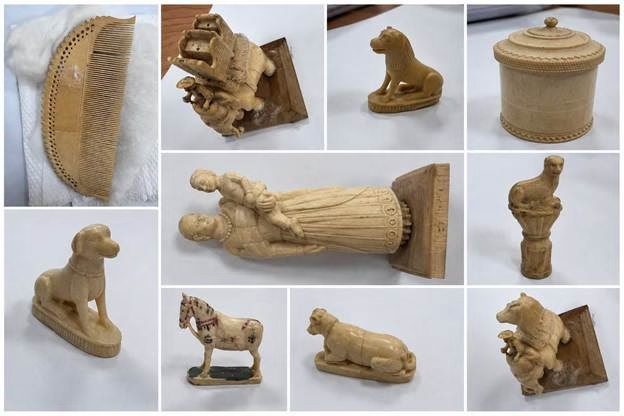
  • DRI busts a wildlife trafficking syndicate involved in illicit trade of ivory artefacts

    Official Release

    DRI busts a wildlife trafficking syndicate involved in illicit trade of ivory artefacts

    On 19 Aug 2026, India's Directorate of Revenue Intelligence (DRI) dismantled a syndicate that was illegally transporting ivory artifacts. Acting on specific intelligence, officers planned an operation at Lucknow and intercepted four persons of the wildlife-trafficking network involved in the illicit ivory trade. The operation led to the recovery of 54 exquisitely crafted items made of elephant ivory, including animal and human figurines. The seized artifacts and the four syndicate members were handed over to the UP Forest Department for further investigation under the Wildlife (Protection) Act, 1972.