

From letters to the Supreme Court to a year-round resource for animals. Read the story

PTR on high alert against owl poaching ahead of Diwali

PTR on high alert against owl poaching ahead of Diwali

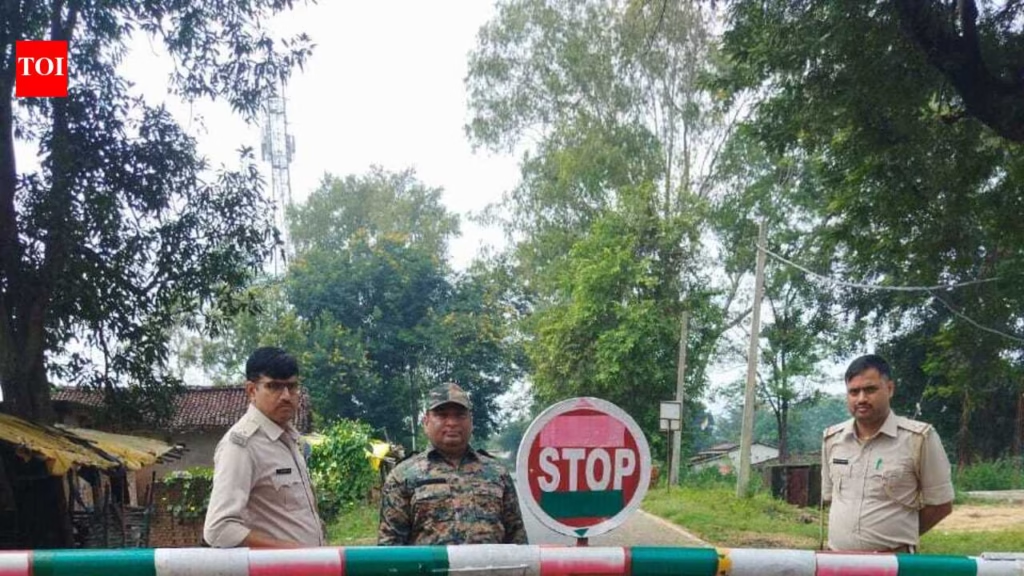
Pilibhit Tiger Reserve authorities are on high alert to prevent owl poaching ahead of Diwali. The forest department placed teams on duty across vulnerable forest ranges to protect the birds from illegal trapping and sacrifice rituals. Officials stated that strict monitoring is underway to nab wildlife criminals during the festive season. Forest officials said owls are often targeted because they are associated with goddess Lakshmi and are believed to bring wealth and prosperity, while also being sought for occult and tantric rituals involving body parts such as bones, claws, skulls, feathers, and meat. Kumar Ashish, deputy director of the south division, stated that forest guards and trackers have been instructed to maintain strict vigilance. Personnel deployed at eight check posts in the south division, located at Garu, Rud, Vijaypur, Netarhat, Sohar, Aksi, Bareysanr, and Maromar, are conducting intensified inspections of visitors, cyclists, and their belongings, with special attention paid to slingshots used for hunting birds, and the reserve will maintain increased surveillance until the celebrations conclude.

This is part of our Diwali campaign: see what to do before, on the night and after, and who to call, on our Diwali page.

Sources

Read the original (opens in a new tab)Summary written by Animal Writes. Read the original before relying on it.

More in Birds

  • India marks One Health Day, calls for stronger surveillance against zoonotic diseases

    News

    India marks One Health Day, calls for stronger surveillance against zoonotic diseases

    Stray dogs, domestic animals, and wildlife are the focus as India observes One Health Day to strengthen disease surveillance and prevent zoonotic diseases from spreading between animals and humans. The government stated that the National One Health Mission coordinates multiple departments to improve early warnings and outbreak responses. The Indian Council of Medical Research implements the mission, while the Office of the Principal Scientific Adviser provides scientific coordination and oversight. The government framework involves over 13 ministries and departments working on an integrated approach to disease prevention. The government framework reported that 22 laboratories are part of a network of high-containment facilities intended to support the investigation of outbreaks involving human, livestock, and wildlife populations. Infectious diseases affecting humans that originate in animals include rabies, Nipah virus infection, avian influenza, leptospirosis, and certain forms of viral haemorrhagic fever. Health experts stated that monitoring human populations alone may not be sufficient to identify emerging threats, and surveillance systems must also examine animal populations, wildlife habitats, food production chains, and environmental conditions. The initiative aims to establish stronger early-warning systems and improve access to disease-related information to support coordinated investigations when cross-species infections are identified.

  • Kashmir’s wetlands draw 13 lakh birds, but who treats injured wildlife?

    News

    Kashmir’s wetlands draw 13 lakh birds, but who treats injured wildlife?

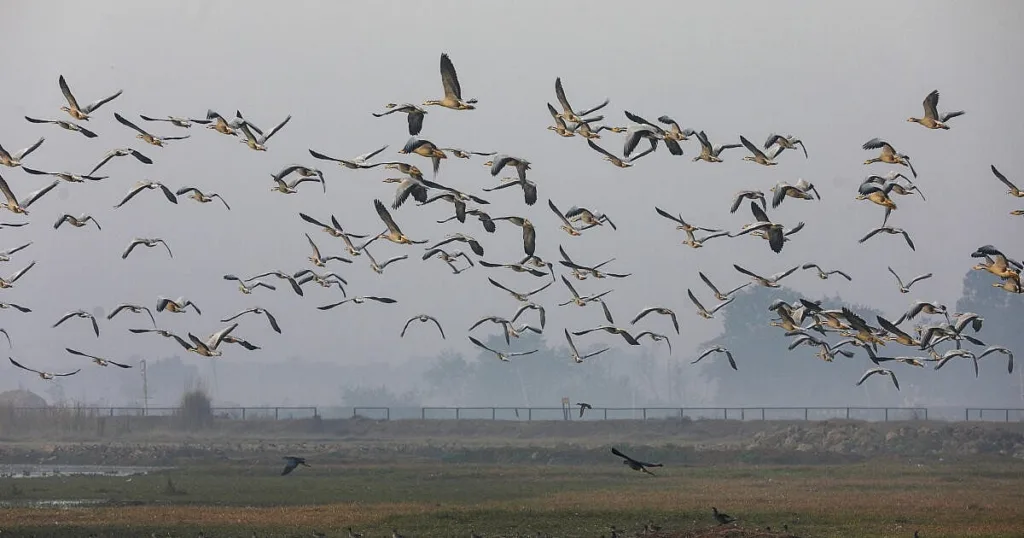
    Migratory birds arrived in the wetlands of Kashmir, drawing 13 lakh birds to the region. The large influx of migratory birds raises critical questions about rescue operations and medical care for injured wildlife in the area. Observers and wildlife enthusiasts asked about the availability of specialised veterinary facilities, rescue equipment, and trained personnel to treat wounded birds visiting the wetlands during the seasonal migration. The wildlife department faces challenges in managing wounded animals across multiple wetland sites without dedicated avian medical units. Officials have not yet announced a timeline for establishing dedicated treatment centres for injured migratory birds, leaving local rescue workers to handle cases with limited resources. Animal welfare advocates can urge the forest department to set up emergency rescue camps and permanent veterinary care units near major wetlands to protect the birds during the winter season.

  • From lapwings to monitor lizards, RGIA reports 442 wildlife strikes in 4 years

    News

    From lapwings to monitor lizards, RGIA reports 442 wildlife strikes in 4 years

    Wild animals and birds faced wildlife strikes at Rajiv Gandhi International Airport in Hyderabad, Telangana, involving 442 incidents recorded between Jan 2023 and Aug 2026. Data obtained through an RTI application to the Directorate General of Civil Aviation showed that annual incidents rose from 101 in 2023 to 114 in 2024 and 133 in 2025. The Directorate General of Civil Aviation stated that landing and approach account for over sixty percent of these occurrences, rendering aircraft vulnerable close to the ground. Food accumulation, garbage dumping, landfills, and water bodies around the airport act as wildlife attractants. An official in GHMC’s sanitation wing explained regarding waste management challenges, “Despite repeated instructions to hand over their waste to Swachh auto vehicles, many refuse to do so.” To control the threat, Rajiv Gandhi International Airport has adopted multiple wildlife-control measures, including installing nylon-net fencing, black-light traps, habitat fragmenters, and software-based wildlife surveillance.

From the Library

  • 53 protected animals and birds rescued, 6 arrested

    Official Release

    53 protected animals and birds rescued, 6 arrested

    The Central Bureau of Investigation (CBI) and DRI, Mumbai, conducted a joint operation that disrupted a wildlife trafficking network, resulting in the rescue of 53 protected animals and birds. The operation, supported by the Wildlife Crime Control Bureau, involved multiple locations in Maharashtra and West Bengal. Rescued species included 15 Slow Loris, 2 Binturong, 28 Star Tortoises, 6 Egyptian Vultures, and 2 Shikra birds. Six suspects were arrested, three in Mumbai and three in Kolkata, under the Wildlife (Protection) Act, 1972, and Criminal Conspiracy under Bhartiya Nyaya Sanhita, 2023. The investigation is ongoing.

  • 45 live reptiles seized at Trichy airport, 2 arrested

    Official Release

    45 live reptiles seized at Trichy airport, 2 arrested

    The Directorate of Revenue Intelligence issued a seizure report detailing how officers foiled an attempt to smuggle live reptiles into India at Trichy Airport. The action applies to international passengers and wildlife smugglers operating through airports. According to Free Press Journal, officers intercepted two Indian passengers arriving from Bangkok via Colombo on 26 Oct 2026. A systematic examination of passenger baggage led to the recovery of forty-five live reptiles concealed inside twenty-seven food packets while the sedated animals remained hidden. The seized animals comprised twenty-three Corn Snakes, sixteen Ball Pythons, five Argentine Black and White Tegus, and one Snow White Iguana. Two passengers faced arrest by the Air Intelligence Unit, Trichy, under the provisions of the Customs Act, 1962, and the recovered wildlife went to the unit for further necessary action. In practice, this means travellers attempting to transport animals illegally face baggage searches, confiscation of concealed wildlife, and arrest under federal customs laws. Readers can report suspected wildlife trafficking activity to customs authorities and airport intelligence units.

  • NHAI document on wildlife crossings on highways

    Official Release

    NHAI document on wildlife crossings on highways

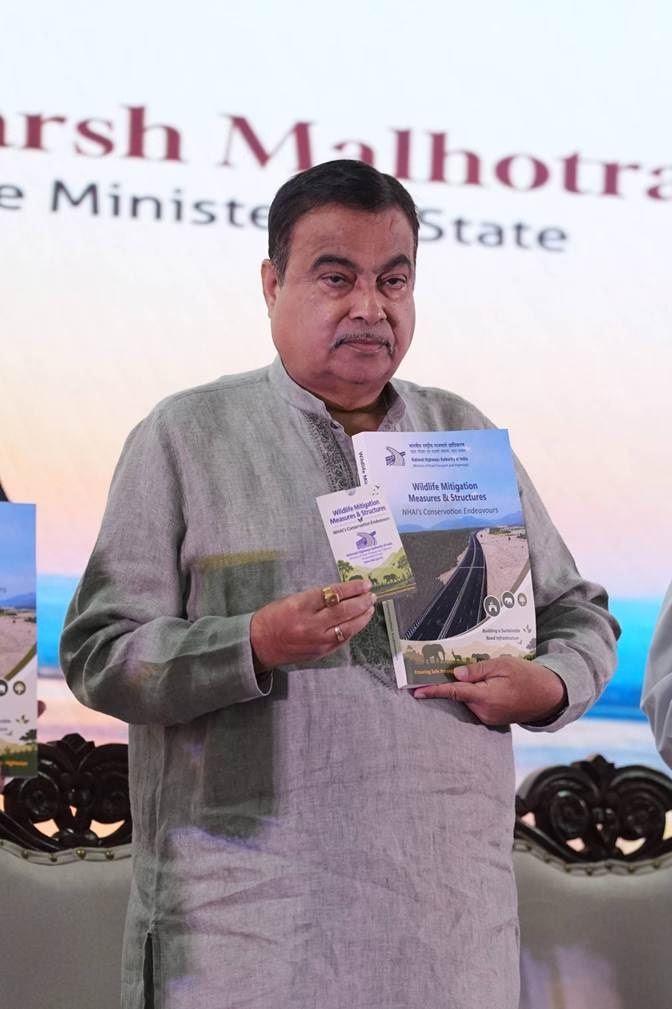
    The National Highways Authority of India issued a document titled “Wildlife Mitigation Measures & Structures.” The paper outlines new and reinforced measures intended to protect wildlife along the country’s national highways. It details specific structures and strategies for conserving animals in these areas, backed by an investment of over Rs. 19,700 crore and more than 2,150 wildlife mitigation structures.

Get Animal Writes updates

News, important developments and practical guides — no spam.

Newsletter

Email me Animal Writes updates. I can unsubscribe at any time.