Rescuers in India face 2 hour struggle to move an aggressive 205 pound python off a highway

Rescuers in India face 2 hour struggle to move an aggressive 205 pound python off a highway

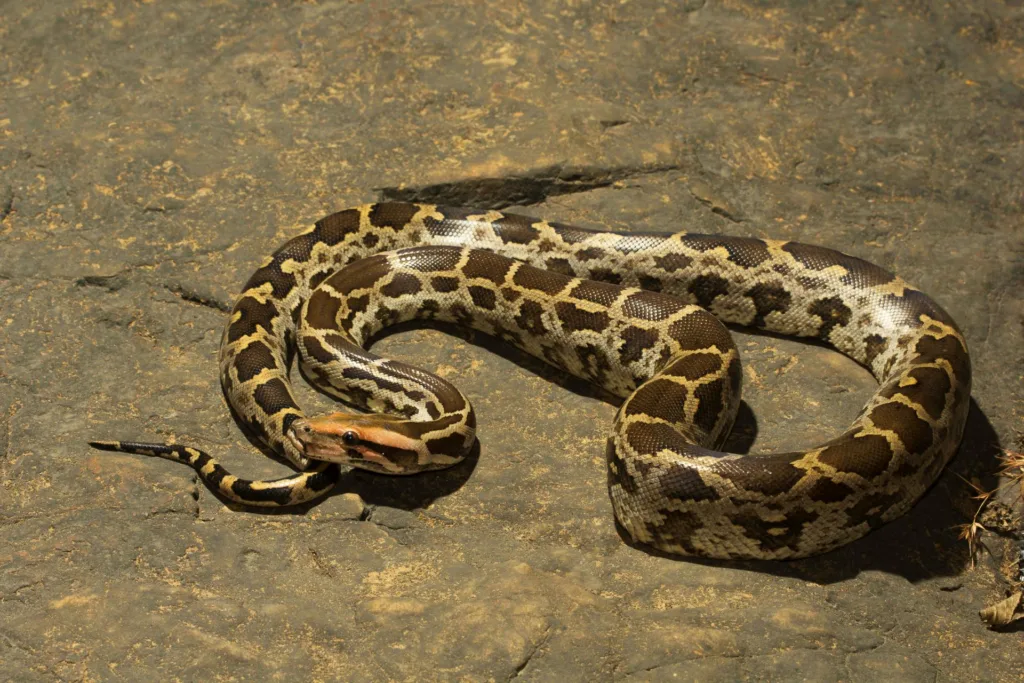
Rescuers moved a 205‑pound python off a highway near Naraingarh, Haryana, after a two‑hour effort. The snake, weighing about 93 kg and measuring roughly 13 ft, was about 30 years old, Bharat, a Vande Mataram Dal member who led the rescue, said “The snake was aggressive.” Vande Mataram Dal and Wildlife Department officials coordinated the move and released the python into woodland in Panchkula’s Morni area. The operation was among Haryana’s largest wildlife rescue events; Vande Mataram Dal has carried out more than 1,300 rescues since 2012. The python’s aggressive behavior and weight made the operation challenging, but no attack on a person was reported. Bharat attributed the successful completion to cautious handling, sound judgment and coordination. Similar rescues have occurred elsewhere in India, including a 10‑foot python near a Maharashtra airport and a 12‑foot python in Rajasthan.

Sources

Read the original (opens in a new tab)Summary written by Animal Writes. Read the original before relying on it.

More in Disaster and Emergency Rescue

  • Elephant “Mridula” welcomes new calf as Manas celebrates rare wildlife births

    News

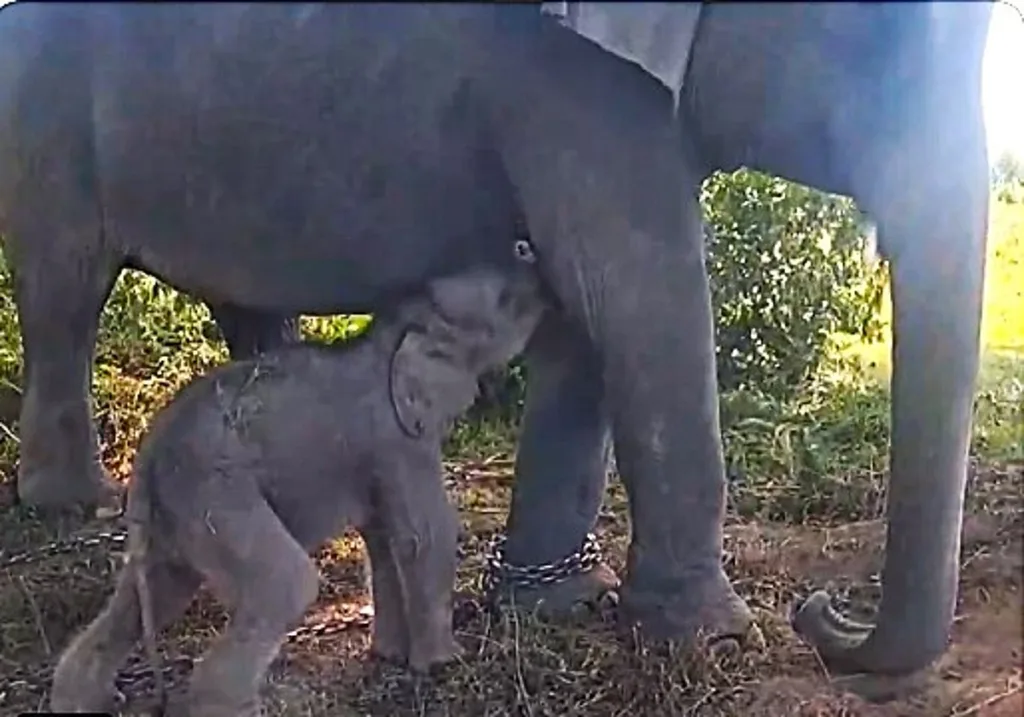
    Elephant “Mridula” welcomes new calf as Manas celebrates rare wildlife births

    A captive elephant named Mridula gave birth to a healthy male calf at Manas National Park in Baksa, Assam, alongside the historic birth of a greater one-horned rhinoceros calf in the park's Bansbari range. The forest department monitored the elephant birth, while the rhinoceros calf extended the family of a flood-rescued rhino named Ganga into a three-generation wild lineage. Head Mahout Dandeshwar Boro stated, "The birth has brought immense joy among the staff and mahouts working in the park." The arrivals occurred as the UNESCO Natural World Heritage Site began its peak tourism season. Assam Chief Minister Himanta Biswa Sarma noted that the three-generation lineage shows the success of conservation efforts for animals rescued from the 2004 Brahmaputra floods and rehabilitated by the Wildlife Trust of India-IFAW Centre for Wildlife Rehabilitation and Conservation. Forest and Climate Change Minister Jayanta Malla Baruah stated that the births demonstrate the importance of sustained care and a secure ecosystem following past habitat degradation.
  • PETA India aids rescue of trafficked monitor lizards in Sadashivpet

    News

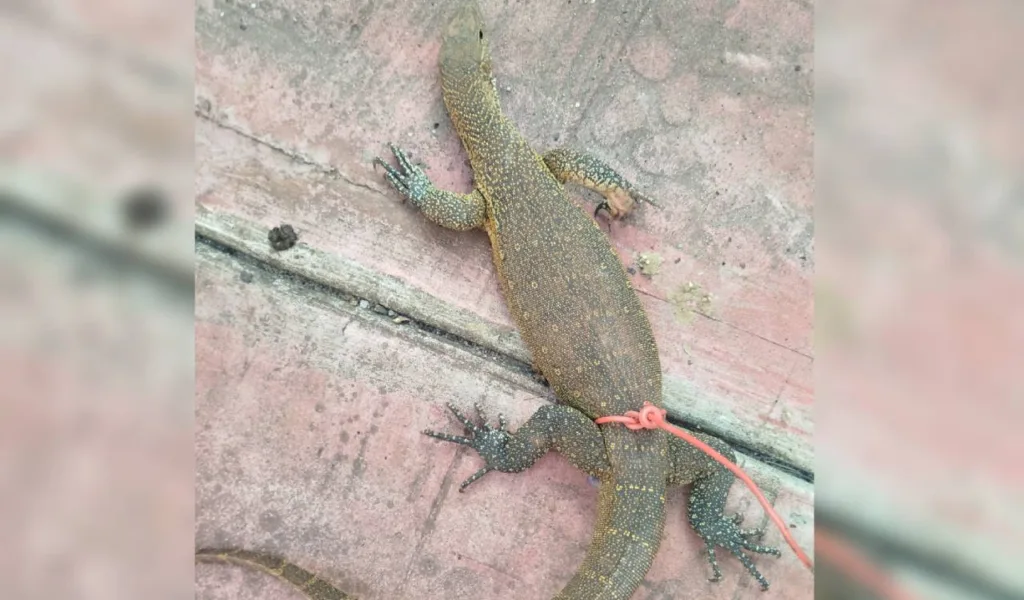
    PETA India aids rescue of trafficked monitor lizards in Sadashivpet

    Two trafficked monitor lizards were rescued in Sangareddy, Telangana, following a complaint by People for the Ethical Treatment of Animals India. People for the Ethical Treatment of Animals India stated that it assisted local authorities in rescuing the wild animals from illegal trafficking, with the operation also taking place in Sadashivpet. A POR was registered following the complaint. This action matters because monitor lizards receive protection under the Wildlife (Protection) Act, 1972, which prohibits the illegal capture, possession, and trade of protected wildlife species. The forest department launched an investigation to identify the persons involved in the trafficking network and determine the source and intended destination of the captured animals, with further legal proceedings expected under the law.

  • Kashmir’s wetlands draw 13 lakh birds, but who treats injured wildlife?

    News

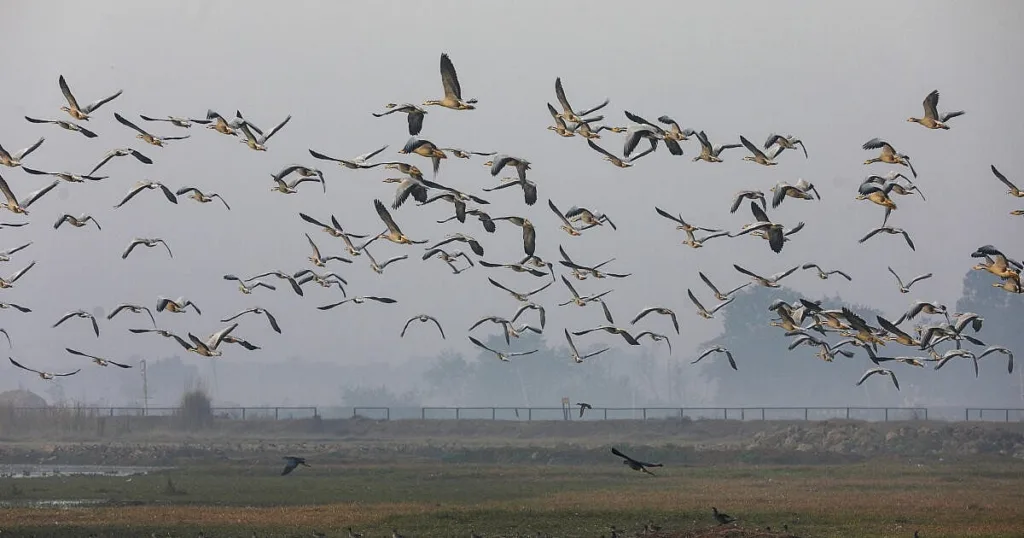
    Kashmir’s wetlands draw 13 lakh birds, but who treats injured wildlife?

    Migratory birds arrived in the wetlands of Kashmir, drawing 13 lakh birds to the region. The large influx of migratory birds raises critical questions about rescue operations and medical care for injured wildlife in the area. Observers and wildlife enthusiasts asked about the availability of specialised veterinary facilities, rescue equipment, and trained personnel to treat wounded birds visiting the wetlands during the seasonal migration. The wildlife department faces challenges in managing wounded animals across multiple wetland sites without dedicated avian medical units. Officials have not yet announced a timeline for establishing dedicated treatment centres for injured migratory birds, leaving local rescue workers to handle cases with limited resources. Animal welfare advocates can urge the forest department to set up emergency rescue camps and permanent veterinary care units near major wetlands to protect the birds during the winter season.

From the Library

  • NHAI Releases Document on ‘Wildlife Mitigation Measures & Structures’ Highlighting Strengthened Wildlife Conservation Measures Along National Highways

    Official Release

    NHAI Releases Document on ‘Wildlife Mitigation Measures & Structures’ Highlighting Strengthened Wildlife Conservation Measures Along National Highways

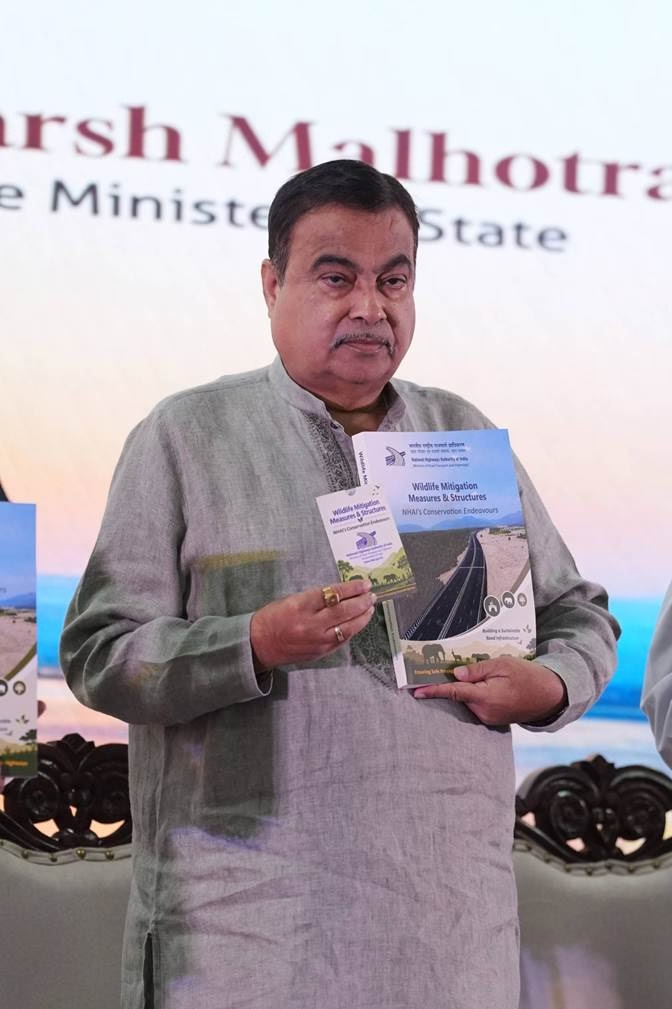
    The National Highways Authority of India issued a guidance document on Wildlife Mitigation Measures and Structures presenting wildlife conservation integration in highway planning. The document applies to infrastructure planners, project authorities, and executing agencies involved in National Highway projects across the country. The framework outlines structural interventions such as animal underpasses, overpasses, viaducts, tunnels, bridges, and canopy crossings, alongside non-structural measures like guide fencing, noise barriers, reptile crossings, signage, and speed regulation. The publication details that over 2,150 wildlife mitigation structures have been constructed or proposed along National Highways, backed by an investment of around Rs. 19,700 crores over the past five years for wildlife mitigation infrastructure and environmental protection measures. Funding allocations include approximately Rs. 4,600 crores for animal underpasses, Rs. 650 crores for animal overpasses, Rs. 8,300 crores for viaducts, Rs. 2,800 crores for tunnels, Rs. 2,500 crores for major bridges, and Rs. 500 crores for minor bridges, with guide fencing and noise barriers installed across more than 300 kilometres of highway alignments. Monitoring mechanisms such as camera trapping are included to evaluate movement patterns and identify collision hotspots. For citizens and animal welfare advocates, the document provides a reference framework regarding the protective structures established along national transit routes to prevent habitat fragmentation and animal-vehicle collisions, enabling them to understand the specific engineering installations implemented in their regions.

  • 45 live reptiles seized at Trichy airport, 2 arrested

    Official Release

    45 live reptiles seized at Trichy airport, 2 arrested

    The Directorate of Revenue Intelligence issued a seizure report detailing how officers foiled an attempt to smuggle live reptiles into India at Trichy Airport. The action applies to international passengers and wildlife smugglers operating through airports. According to Free Press Journal, officers intercepted two Indian passengers arriving from Bangkok via Colombo on 26 Oct 2026. A systematic examination of passenger baggage led to the recovery of forty-five live reptiles concealed inside twenty-seven food packets while the sedated animals remained hidden. The seized animals comprised twenty-three Corn Snakes, sixteen Ball Pythons, five Argentine Black and White Tegus, and one Snow White Iguana. Two passengers faced arrest by the Air Intelligence Unit, Trichy, under the provisions of the Customs Act, 1962, and the recovered wildlife went to the unit for further necessary action. In practice, this means travellers attempting to transport animals illegally face baggage searches, confiscation of concealed wildlife, and arrest under federal customs laws. Readers can report suspected wildlife trafficking activity to customs authorities and airport intelligence units.

  • NHAI document on wildlife crossings on highways

    Official Release

    NHAI document on wildlife crossings on highways

    The National Highways Authority of India issued a document titled “Wildlife Mitigation Measures & Structures.” The paper outlines new and reinforced measures intended to protect wildlife along the country’s national highways. It details specific structures and strategies for conserving animals in these areas, backed by an investment of over Rs. 19,700 crore and more than 2,150 wildlife mitigation structures.

Get Animal Writes updates

News, important developments and practical guides — no spam.

Newsletter

Email me Animal Writes updates. I can unsubscribe at any time.