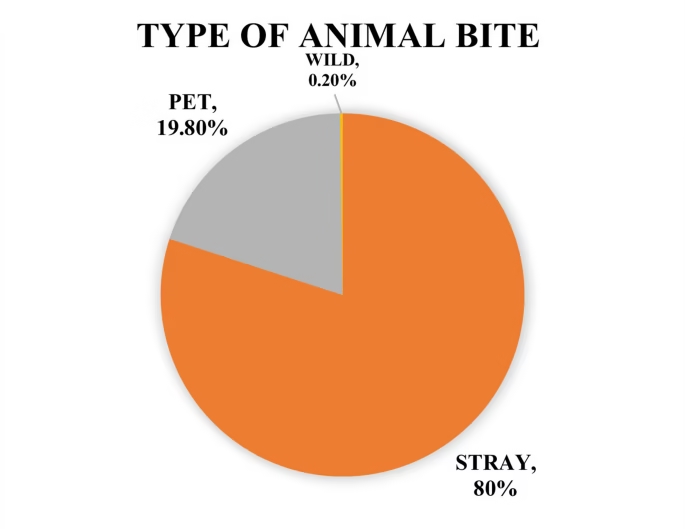
In Mumbai, a cross‑sectional study of 4,186 animal‑bite cases found that 80 % involved stray dogs and that severe Category 3, unprovoked bites were far more common among strays than pets. The researchers at a tertiary‑care hospital in Mumbai analysed records from to using a record‑based secondary data design. Of the total cases, 19.8 % were pet bites; males comprised 78.6 % of victims and 40.3 % were aged 20–40 years. Category 3 bites accounted for 79.7 % of incidents, and dog bites represented 86.2 % of the sample, showing a significant association with bite type (p < 0.01). “Unprovoked bites were significantly more common among strays (87.3 %) than pets (74.7 %)”, the authors reported. Pet bites were more likely to be observable (65 % vs 22 % for strays, p < 0.01). Bite type was linked to gender, animal type, provocation and observability, but not to age or residence. The authors suggest that strengthening surveillance, ensuring mass dog vaccination, promoting responsible pet ownership and raising animal‑health awareness are needed to reduce rabies risk, and that better observability and timely reporting can improve post‑exposure care.
Sumana Mukhopadhyay, Prashant Howal, Lalit Sankhe and others carried out the study, titled “Epidemiology of stray and pet animal bite patterns in Mumbai using a cross-sectional comparative analysis”. Read the study.
In Mumbai, a cross‑sectional study of 4,186 animal‑bite cases found that 80 % involved stray dogs and that severe Category 3, unprovoked bites were far more common among strays than pets. Read the full study.
Sources
Study: Epidemiology of stray and pet animal bite patterns in Mumbai using a cross-sectional comparative analysis by Sumana Mukhopadhyay, Prashant Howal, Lalit Sankhe et al. in Discover Public Health ·Read the original ↗ (opens in a new tab)
Summary written by Animal Writes. Read the original before relying on it.
A Research Square study of over 24,000 free-ranging dogs in four Indian shelters from 2018 to 2022 found physical trauma drove most admissions and non-live outcomes reached 40–60%. The researchers…
Most animal-bite patients at a North Indian anti-rabies clinic were bitten during routine activities without intentional contact, a retrospective review of 233 records from a tertiary clinic found. Researchers from…
World Rabies Day on 28 Sep brings attention to one of the oldest and deadliest zoonotic diseases affecting humans and animals. Each year on 28 Sep, the global observance aims…
The Press Information Bureau issued an official update detailing the expansion of veterinary infrastructure, mobile vet units, and doorstep services for animal healthcare, including plans in Goa for veterinary hospitals…
The Animal Welfare Board of India released a circular stating that World Rabies Day will be observed on 28 Sep 2026. The official communication informs stakeholders about the observance date…
The Animal Welfare Board of India issued a circular about mandatory certificates of project recognition for stray dogs under Rule 3 of the Animal Birth Control Rules, 2023, deciding that…
Get Animal Writes updates
News, important developments and practical guides — no spam.