
Crop switching eases elephant crop raiding in the Nilgiris

Crop switching eases elephant crop raiding in the Nilgiris

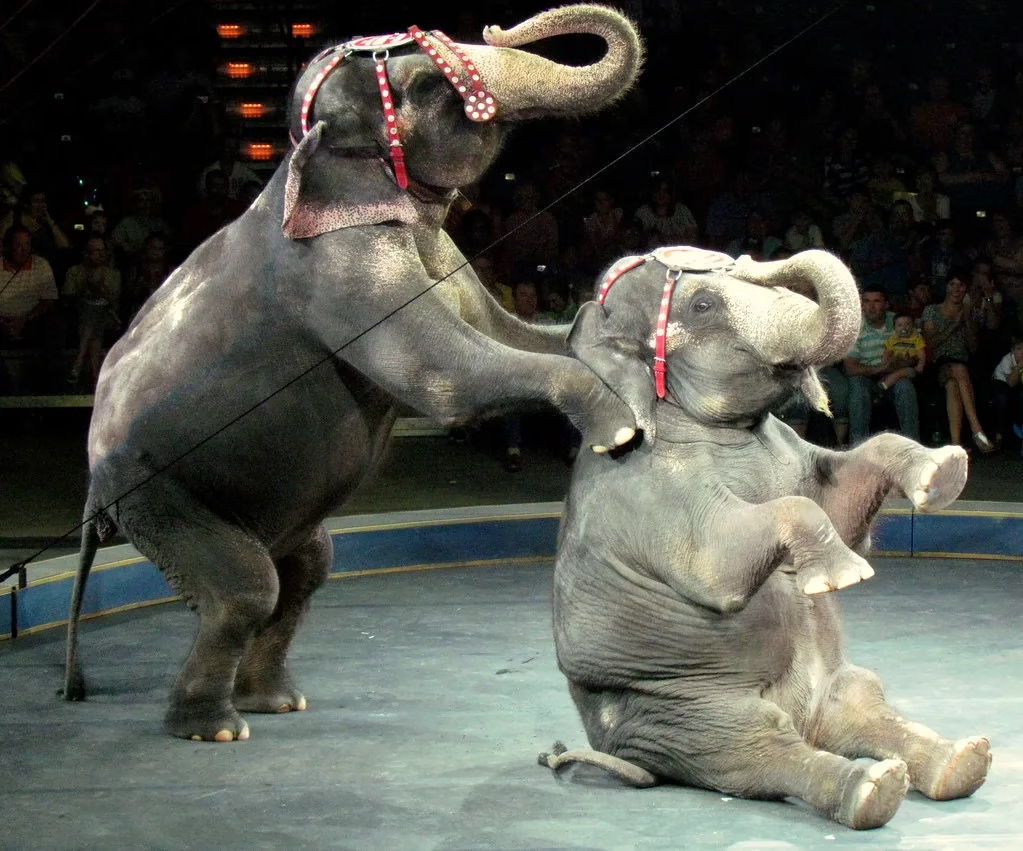
The study found that crop switching lowered seasonal crop loss to 6 % in the Nilgiris, compared with 10 % using deterrents and 18 % with no mitigation, where elephants, wild boars and sloth bears were the main raiders. The researchers built a spatially explicit agent‑based model in NetLogo covering a 100 km² agro‑forest area of Nilgiris district, Tamil Nadu, representing 500 farmer agents and wildlife agents for elephants, wild boars, sloth bears, Indian porcupines, bonnet macaques and gaurs. Land‑use maps from the Forest Survey of India, conflict reports from the Tamil Nadu Forest Department and wildlife‑corridor maps supplied the input data. Three scenarios were simulated: a baseline with no management, deterrents such as fences and watchtowers, and crop switching to low‑risk crops such as tea and lemongrass. The baseline produced 420 crop‑raiding events per season, reduced to 220 with deterrents and to 150 with crop switching; corresponding crop‑loss percentages were 18 %, 10 % and 6 % respectively. Bananas and maize attracted the most raids, while tea and lemongrass were less affected; hotspots clustered near wildlife corridors and smaller farms close to forests suffered the highest damage. Sensitivity analysis showed that wildlife density, deterrent effectiveness and crop type strongly influenced outcomes. The authors concluded that crop switching was the most effective strategy to ease human‑wildlife conflict and recommend that mitigation methods be tailored to each location based on animal behaviour.

Questions about the crop raiding study in the Nilgiris

Animal welfare FAQ

Raman Verma, Syed Rashid Anwar, Dr.J. Albert Mayan and others carried out the study, titled “Agent-Based Modeling of Human-Wildlife Conflict in Agricultural Landscapes”. Read the study.

The study was published in Natural and Engineering Sciences on . See it in the journal.

The study found that crop switching lowered seasonal crop loss to 6 % in the Nilgiris, compared with 10 % using deterrents and 18 % with no mitigation, where elephants, wild boars and sloth bears were the main raiders. Read the full study.

Sources

Study: Agent-Based Modeling of Human-Wildlife Conflict in Agricultural Landscapes by Raman Verma, Syed Rashid Anwar, Dr.J. Albert Mayan et al. in Natural and Engineering Sciences Read the original (opens in a new tab)

Summary written by Animal Writes. Read the original before relying on it.

More research

From the Library

Get Animal Writes updates

News, important developments and practical guides — no spam.

Newsletter
+91

Email me Animal Writes updates. I can unsubscribe at any time.