
Human elephant conflict in eastern India grows with farming

Human elephant conflict in eastern India grows with farming

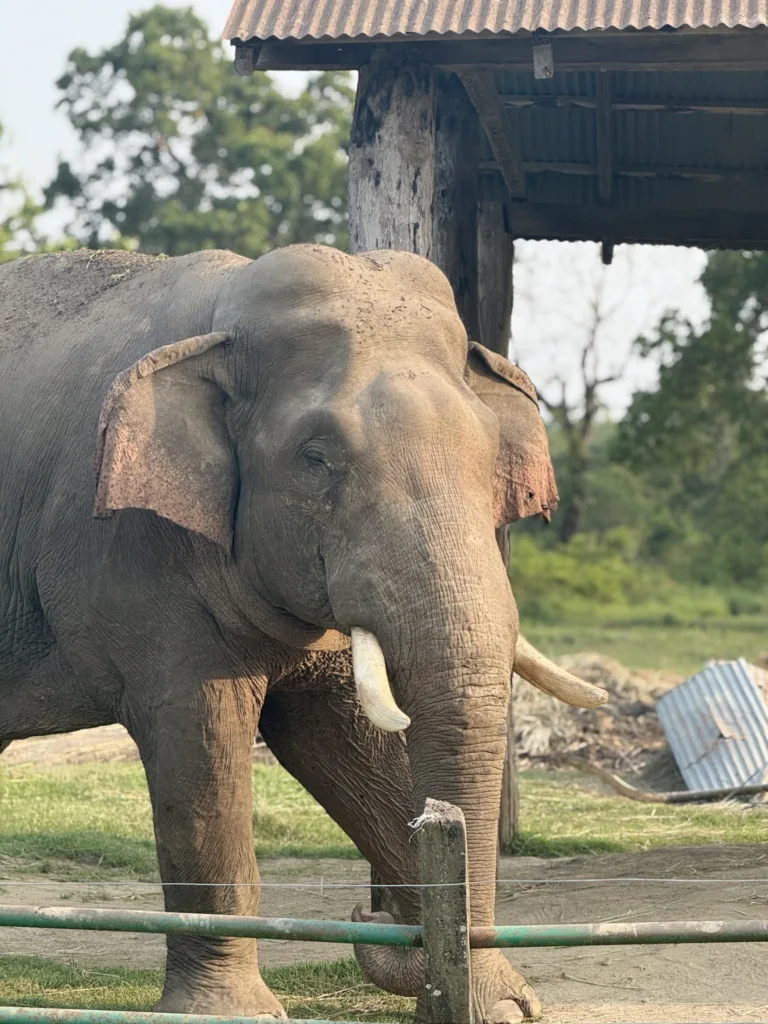
Human-elephant conflict in eastern India has increased due to agricultural expansion and habitat fragmentation. A study analyzed 138 verified incidents of conflict from 2013 to 2023 in the Rupnarayan Forest Division, focusing on how land use and human activities affect these conflicts. The research suggests that changes in land configuration and restoration efforts can significantly impact the risk levels of these conflicts. The authors evaluated the influence of land-use configuration, anthropogenic disturbance, and forest fragmentation on human-elephant conflict probability for Asian elephants using a scenario-based maximum entropy modeling framework. The researchers integrated these verified incidents with climatic, anthropogenic, and land-use variables, quantifying fragmentation characteristics to assess forest configuration, patch isolation, and edge-dominated areas. Anthropogenic variables such as the human footprint index, settlement proximity, and double-cropped agricultural land emerged as strong predictors of conflict probability, with high-risk zones concentrated along fragmented forest-agriculture interfaces. The analysis revealed a highly subdivided forest matrix featuring limited core habitat availability and reduced structural connectivity across the region. Scenario-based simulations demonstrated that agricultural intensification increases the spatial extent of high-risk conflict zones, whereas restoration-oriented scenarios aimed at improving forest continuity reduce predicted conflict probability within fragmented interfaces. These findings indicate that changes in land-use configuration can alter conflict risk patterns, emphasizing the importance of maintaining corridor continuity, regulating anthropogenic expansion, and reducing edge-dominated fragmentation within rapidly transforming elephant habitats to support proactive management strategies and spatial decision-making.

Questions about the human elephant conflict in eastern India study

Animal welfare FAQ

Trishita Debnath and Nilanjana Das Chatterjee carried out the study, titled “Scenario‐based spatial modeling of human–elephant conflict across fragmented forest–agriculture landscapes in eastern India”. Read the study.

The study was published in The Journal of Wildlife Management on . See it in the journal.

Human-elephant conflict in eastern India has increased due to agricultural expansion and habitat fragmentation. Read the full study.

Sources

Study: Scenario‐based spatial modeling of human–elephant conflict across fragmented forest–agriculture landscapes in eastern India by Trishita Debnath and Nilanjana Das Chatterjee in The Journal of Wildlife Management Read the original (opens in a new tab)

Summary written by Animal Writes. Read the original before relying on it.

More research

From the Library

Get Animal Writes updates

News, important developments and practical guides — no spam.

Newsletter
+91

Email me Animal Writes updates. I can unsubscribe at any time.