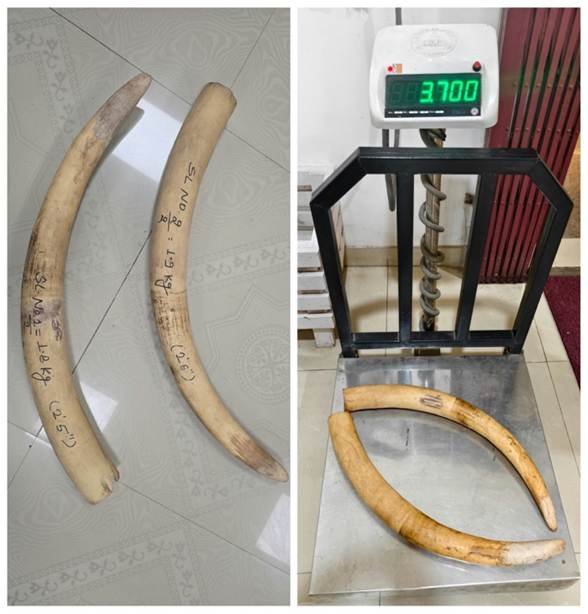
A research paper discusses human-wildlife conflict in Manas and Kaziranga National Parks in Assam, India, which threatens biodiversity and tourism. Authors Ashfakur Rahman and Dr. Sunil Kumar examined how conflicts, driven by habitat loss and climate change, have resulted in declining tourism numbers and significant revenue losses over the past five years. These UNESCO World Heritage Sites are home to endangered species such as the one-horned rhinoceros, Bengal tiger, and Asian elephant, which face escalating pressures from habitat fragmentation, agricultural expansion, and climate-induced flooding. Such conflicts lead to crop damage, livestock predation, and human fatalities, triggering retaliatory killings and strained community relations. The tourism sector suffers due to safety concerns, declining wildlife visibility, and infrastructure damage. Data reveals a 15 percent drop in Kaziranga peak-season tourism and a 20 percent decline in foreign visitors to Manas over five years, leading to annual revenue losses of INR 2 crore and INR 80 lakh, respectively. Poaching exacerbates the crisis, with Kaziranga reporting more than 25 incidents in five years, while infrastructure damages cost INR 1.5 crore for Kaziranga and INR 50 lakh for Manas in 2022 alone. Proposed solutions include eco-tourism initiatives, drone surveillance, and community compensation at INR 4 lakh per fatality, aiming to address both conservation and economic challenges in these protected areas. Effective solutions demand integrated approaches, including habitat restoration, wildlife corridors, and participatory conservation programs, to balance ecological integrity with tourism growth, safeguard global significance, ensure economic stability for local communities, and preserve India’s natural heritage against risks of further tourism decline and undermined livelihoods.