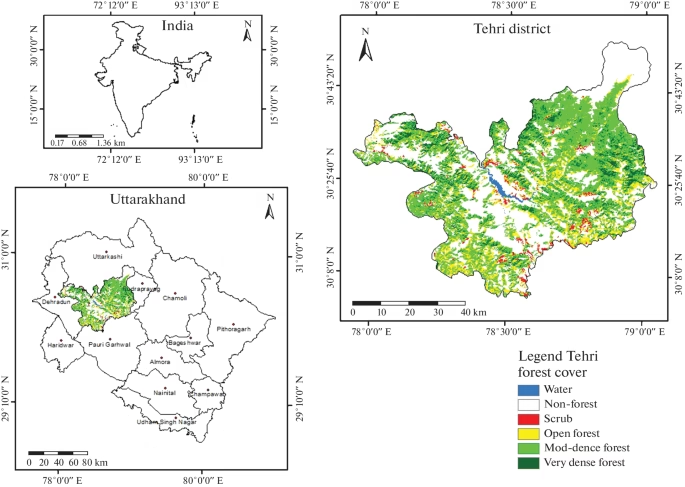
The researchers found that leopards caused an average of 2.7 ± 0.7 human deaths per year (total 29) and 7.8 ± 5.2 injuries per year (total 77) in Tehri Garhwal, Western Himalaya, India. The study, published in Biology Bulletin, used secondary government records from 2011‑2021 and administered questionnaires to 373 participants (236 village‑council members and 137 villagers) during 2021‑2022, while attack‑time data were collected for 2020‑2021. Leopards were identified as the primary problematic wildlife, with attacks concentrating near villages or pathways (21 of 23 incidents) and largely occurring during daylight (21 of 23). Bears and elephants also inflicted casualties but at much lower frequencies. The authors noted that “development of dams, all‑weather roads, railway development” and dense growth of the invasive shrub Lantana camera along village routes were perceived by locals as key drivers of conflict. The trend in leopard‑human clashes fluctuated across the years, and the study recommends outreach programmes that raise wildlife awareness and community‑based mitigation measures to reduce losses from human‑wildlife conflict.