Monkey bites and crop damage in Lansdowne, Uttarakhand

Monkey bites and crop damage in Lansdowne, Uttarakhand

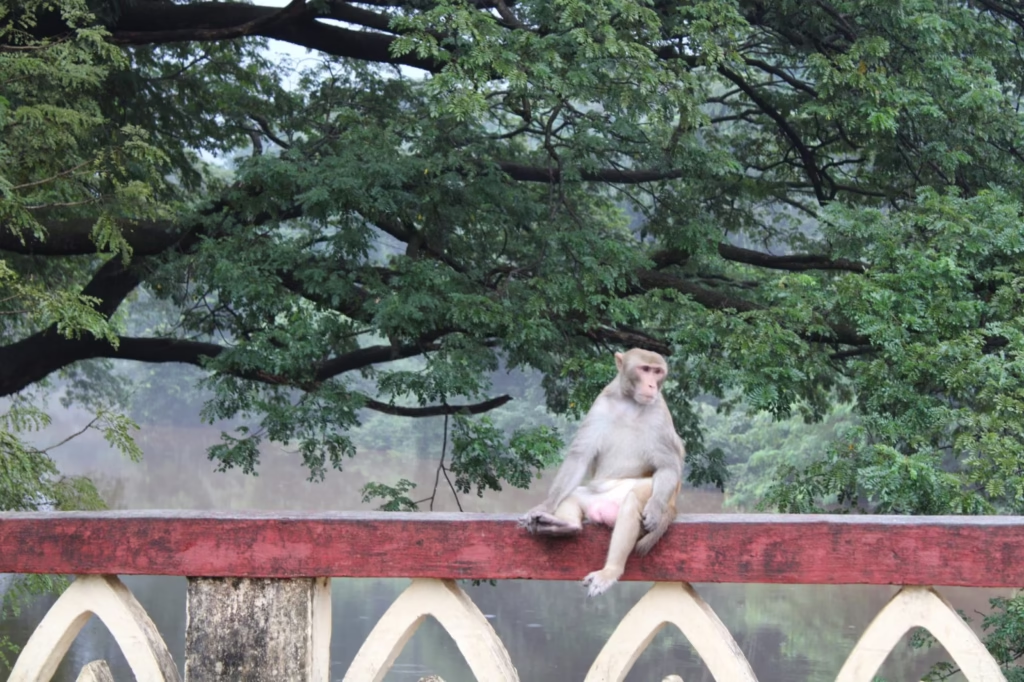
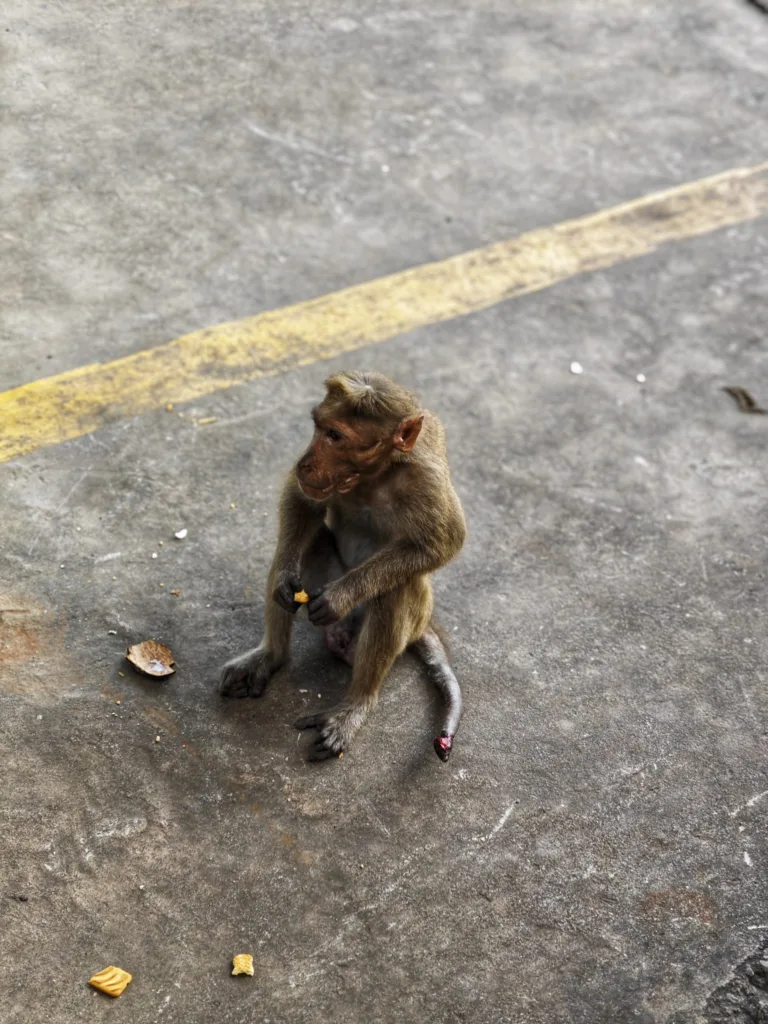
A new study examines human-monkey conflicts involving rhesus macaques and crop damage within the Lansdowne Forest Division of Uttarakhand, India, from 2015 to 2018. The research found that male monkeys aged 16 to 35 were more often involved in bite incidents, and farmers reported that up to 70% of their agricultural land was affected by monkey foraging. The published article indicates that perception-based estimates regarding crop raiding were not validated by field measurements. The authors suggest that habitat destruction and improper disposal of human waste may worsen these conflicts between local communities and wildlife populations. To effectively address these ongoing issues, the researchers state that it remains essential to develop sustainable strategies balancing community needs with conserving monkey populations.

Questions about the monkey bites study in Lansdowne

Animal welfare FAQ

Robin Rathi and Mohan Kukreti carried out the study, titled “Bite Incidents and Farmer-Reported Crop Damage by Rhesus Macaques in Lansdowne Forest Division, Uttarakhand, India”. Read the study.

The study was published in Journal of Agriculture and Forestry University on . See it in the journal.

A new study examines human-monkey conflicts involving rhesus macaques and crop damage within the Lansdowne Forest Division of Uttarakhand, India, from 2015 to 2018. Read the full study.

Sources

Study: Bite Incidents and Farmer-Reported Crop Damage by Rhesus Macaques in Lansdowne Forest Division, Uttarakhand, India by Robin Rathi and Mohan Kukreti in Journal of Agriculture and Forestry University Read the original (opens in a new tab)

Summary written by Animal Writes. Read the original before relying on it.

More research

From the Library

Get Animal Writes updates

News, important developments and practical guides — no spam.

Newsletter
+91

Email me Animal Writes updates. I can unsubscribe at any time.