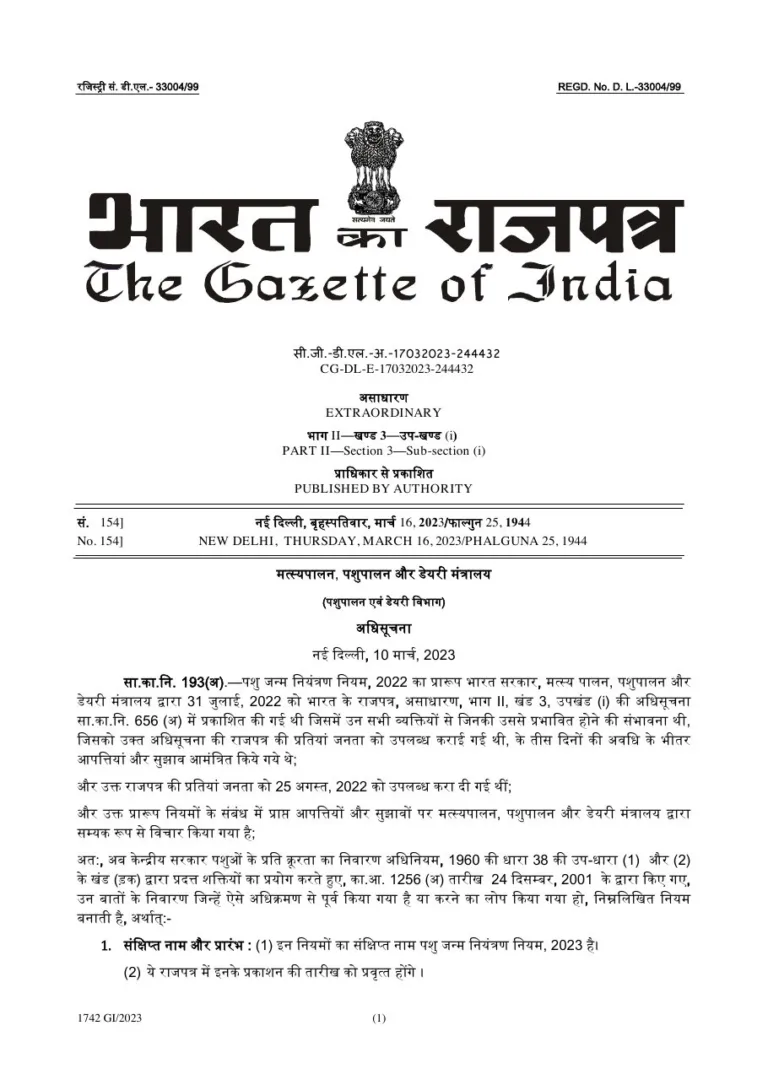
Rabies is a significant public health challenge in India, causing around 20,000 deaths each year, especially among marginalized communities. A study conducted a SWOT analysis of India’s post-exposure prophylaxis program, identifying its strengths and weaknesses. The researchers analyzed scientific literature, governmental guidelines, program documents, and media reports to examine internal and external factors influencing administration. While there are effective products and political commitment, issues like poor awareness, inadequate inventory management, delayed dissemination of guidelines, infrastructure gaps, budgetary constraints, and media misinformation hinder rabies control efforts and present an urgent need for improved strategies. The analysis revealed that despite political commitment and the availability of effective biological products, challenges such as inadequate inventory management, delayed dissemination of guidelines, poor awareness, inadequate infrastructure, and budgetary constraints persist. Opportunities for improvement include information dissemination and technological innovations, while threats such as pandemics and misleading media reports pose additional challenges to rabies control efforts. The authors noted that the disease continues to claim lives despite the existence of post-exposure prophylaxis, pointing to the importance of understanding and addressing implementation challenges. Government measures include the Animal Birth Control Rules, 2023, notified for the management of the stray dog population, with the Animal Welfare Board of India taking steps such as financial assistance to animal welfare organizations and collaboration with local bodies for animal birth control programs and mass dog vaccination. Under central schemes like Assistance to States for Control of Animal Diseases and Rashtriya Krishi Vikash Yojana, provisions exist for grants-in-aid to states for disease surveillance, capacity building, and strengthening biological production centers and diagnostic laboratories.