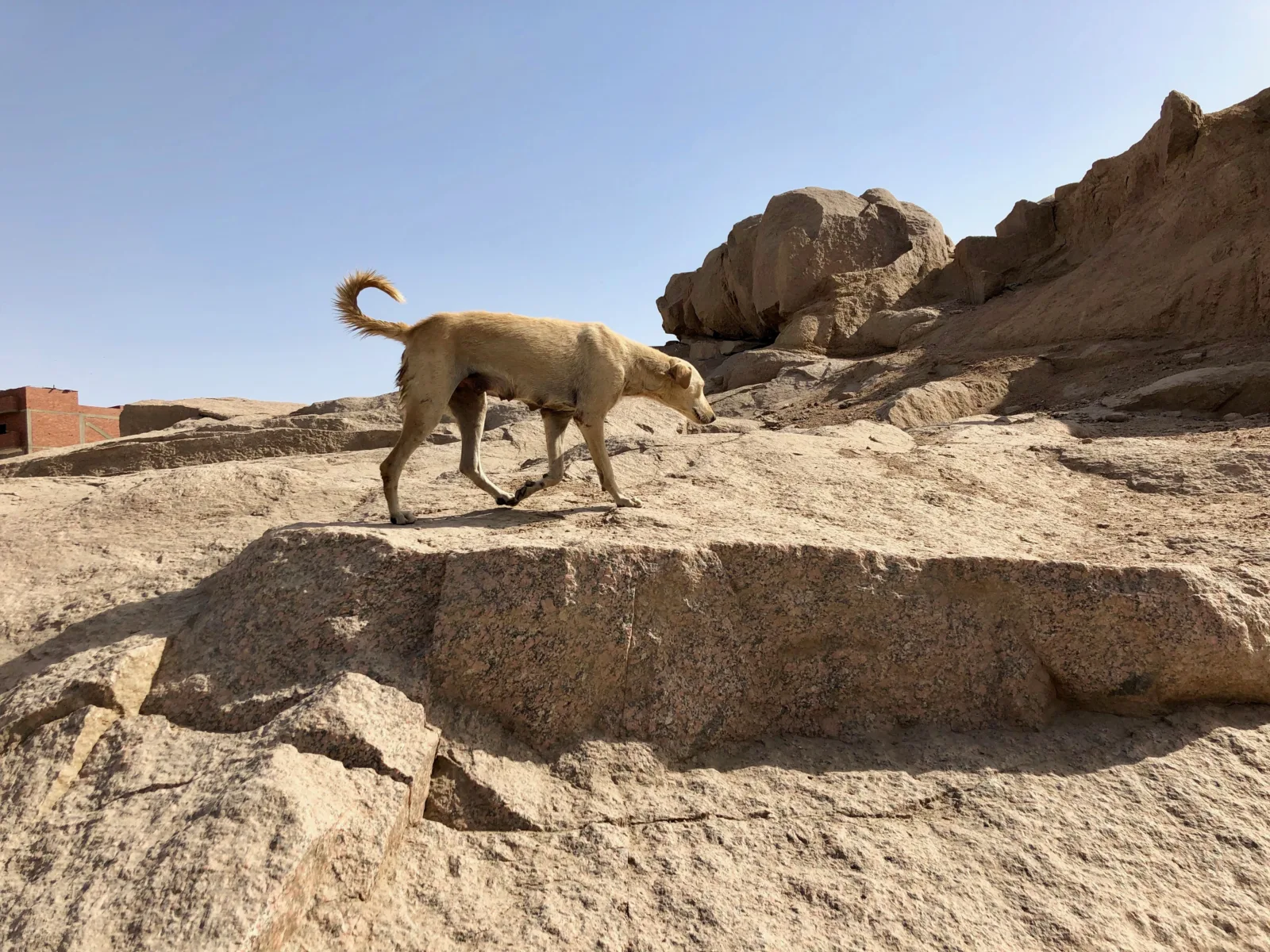
The Indian street dog population represents a growing urban challenge that affects coexistence across species in tropical cities. Cities across the Global South face human-animal coexistence challenges because people raise livestock informally and feed free-ranging animals within mixed development patches. Digital economies grow alongside dangers from waste piles connected to zoonotic diseases and conflicts, a situation shown clearly by free-ranging dog crises in India. Humanity’s oldest companion now suffers between human compassion and increasing conflicts, while dogs continue scavenging, guarding, breeding, dispersing, and dying on streets shaped by traffic, garbage, ritual feeding, and uneven care. Indian courts have tried to solve these problems but missed the main driver, which is food subsidies. The authors suggest that sterilization, shelters, fencing, or removals fail when urban spaces provide food subsidies without matching responsibility. Episodes of reactive management must change into proper urban planning that recognizes how multispecies communities share complex and interconnected living spaces. The authors recommend making compassion accountable to public health, animal well-being, and urban ecology, while ongoing strategies for managing this situation and promoting harmony in tropical cities are explored.