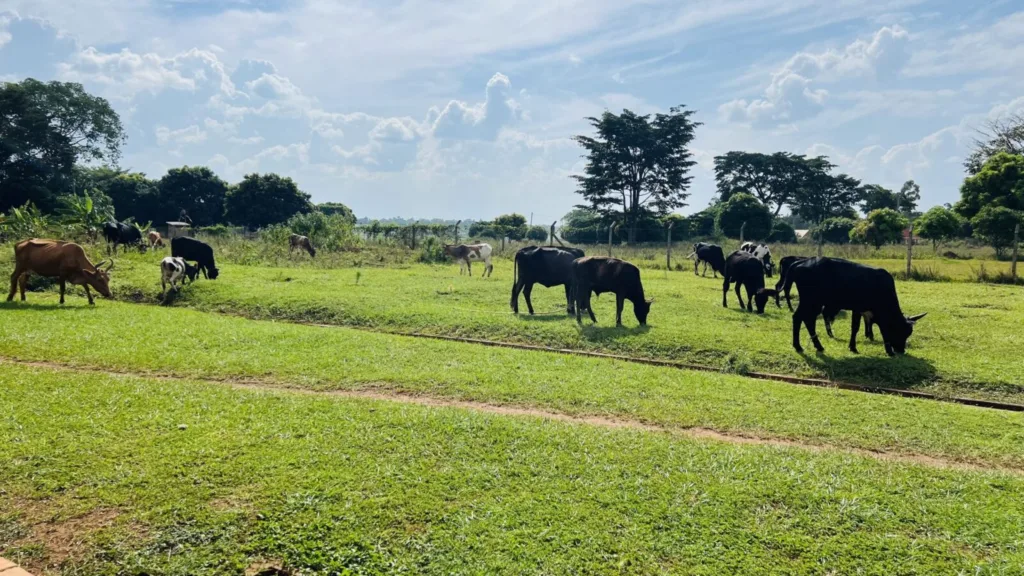
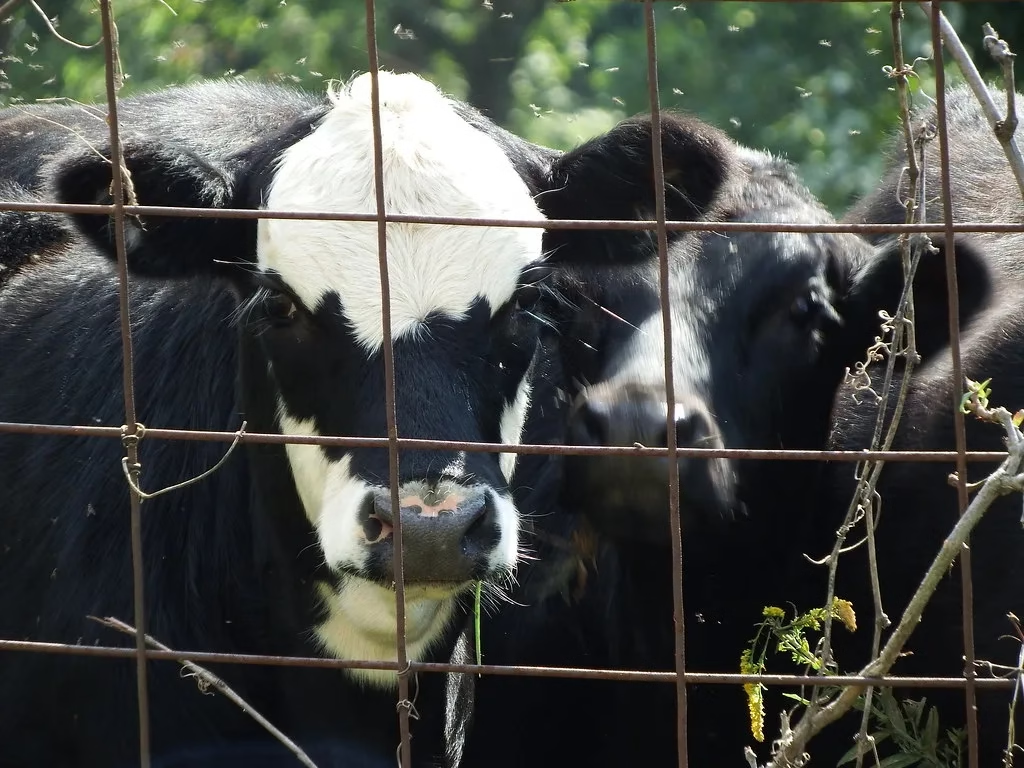
Mandeep Singh Azad, Rajinder Bhardwaj, Lalit Upadhyay, and Kawardeep Kour investigated a cowpox outbreak at Narsingh Gaushala that affected 17 Sahiwal cattle, including 7 lactating cows and 3 calves. The study examined clinical and welfare aspects of the infection among these animals and human handlers in Udhampur district, Jammu and Kashmir. The event showed a morbidity rate of 70% in lactating cows and 42.85% in calves, though no animals died. Sahiwal cattle are generally viewed as a hardy breed with high tolerance to summer stress and better disease resistance, yet this group contracted the re-emerging zoonotic pathogen. Suckling calves exhibited lesions after 9 days following an outbreak in a lactating cow. Pox lesions appeared in various stages such as papules, pustules, erythema, vesicles, and scabs. Prominent lesions were visible on the teats and udder of lactating animals, whereas lesions on the face and muzzle appeared in suckling calves. Affected cattle and calves also showed elevated temperature and heart rate. Handlers and milkers at the farm primarily developed lesions on their hands in the form of papules and pustules. All affected Sahiwal cattle and calves received treatment with Inj. Enrofloxacin at a dosage of 5mg/kg once daily for 5 days, followed by Inj. Meloxicam at 0.5mg/kg twice daily for 2 days as supportive therapy. Teat dipping with betadine-glycerin was performed two times a day. All affected animals successfully recovered within 12-14 days of treatment. The findings suggest that cowpox remains an important public health threat due to increasing cases in humans and animals, requiring careful monitoring of farm environments and handlers.