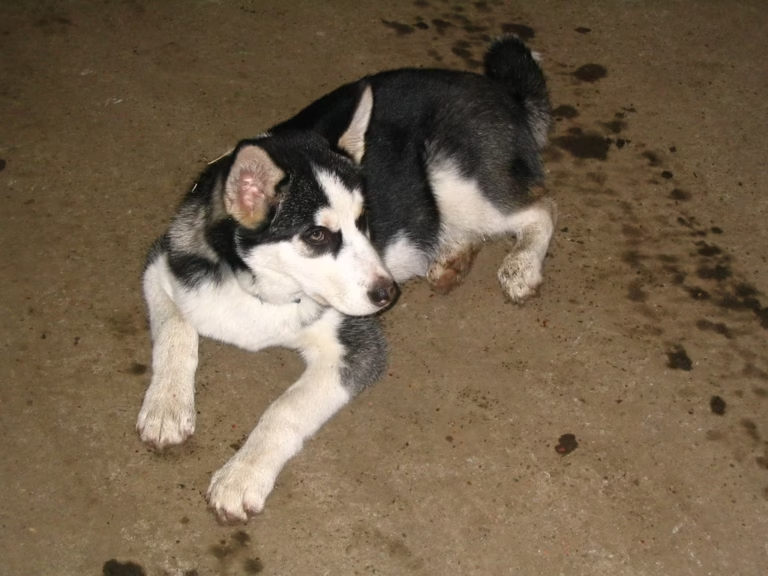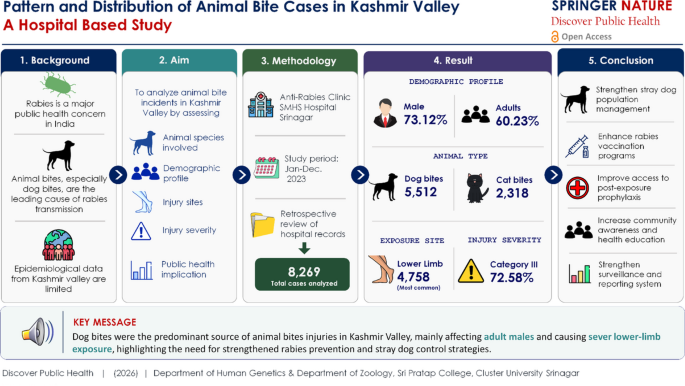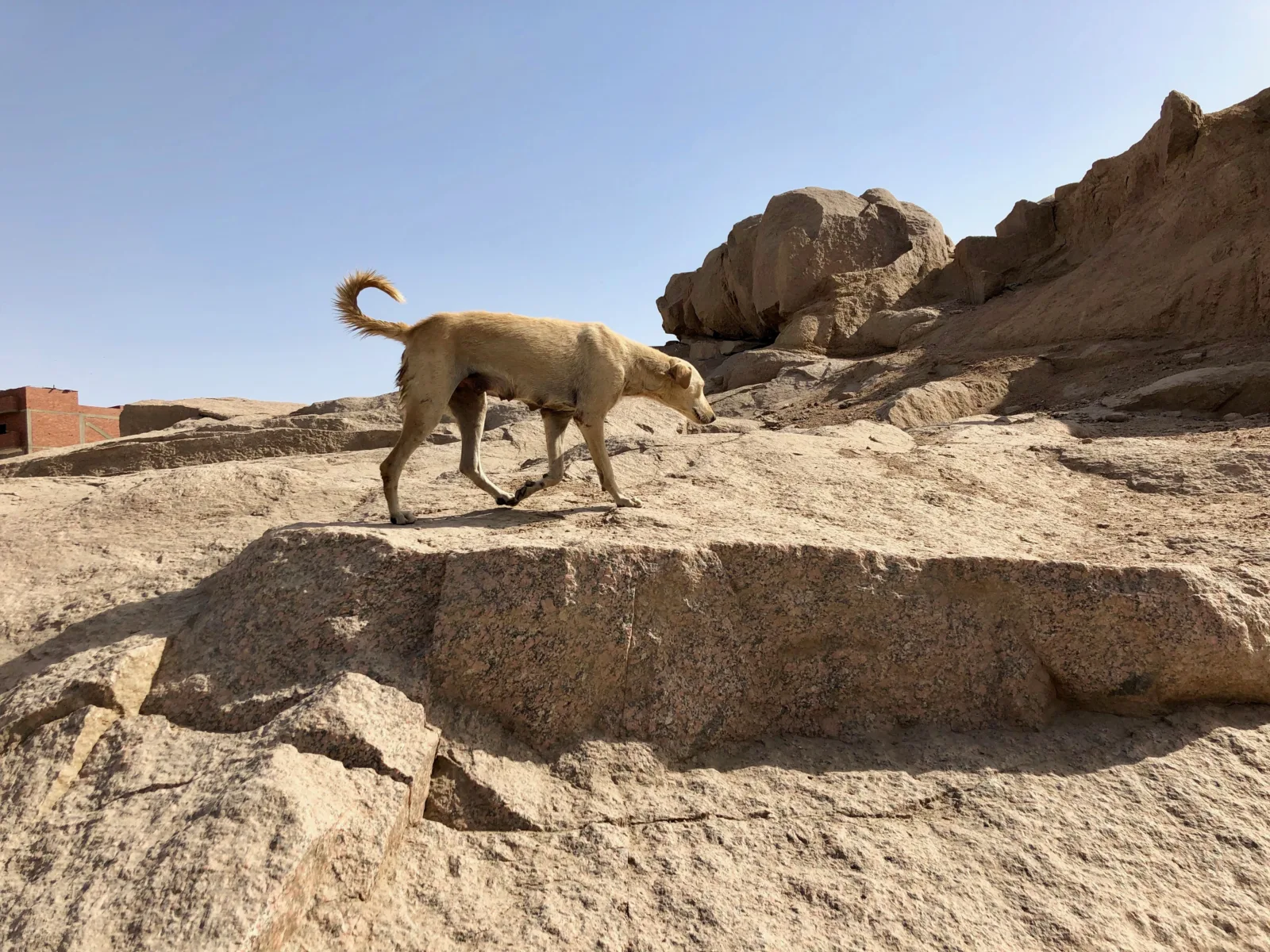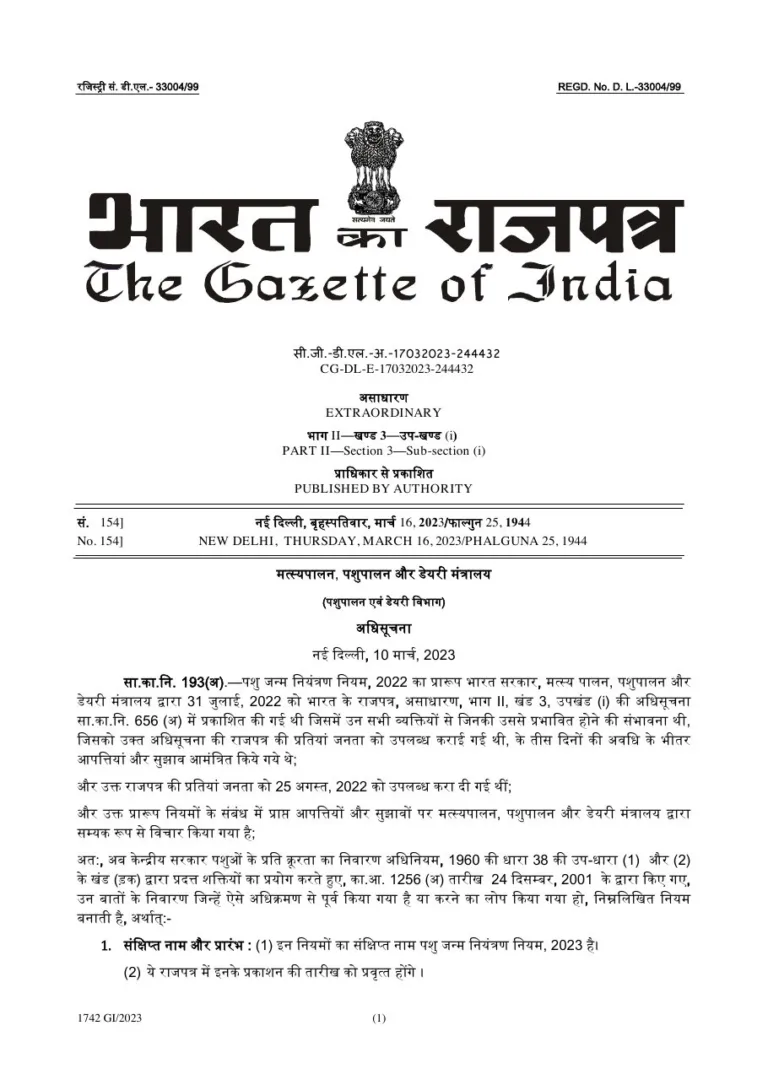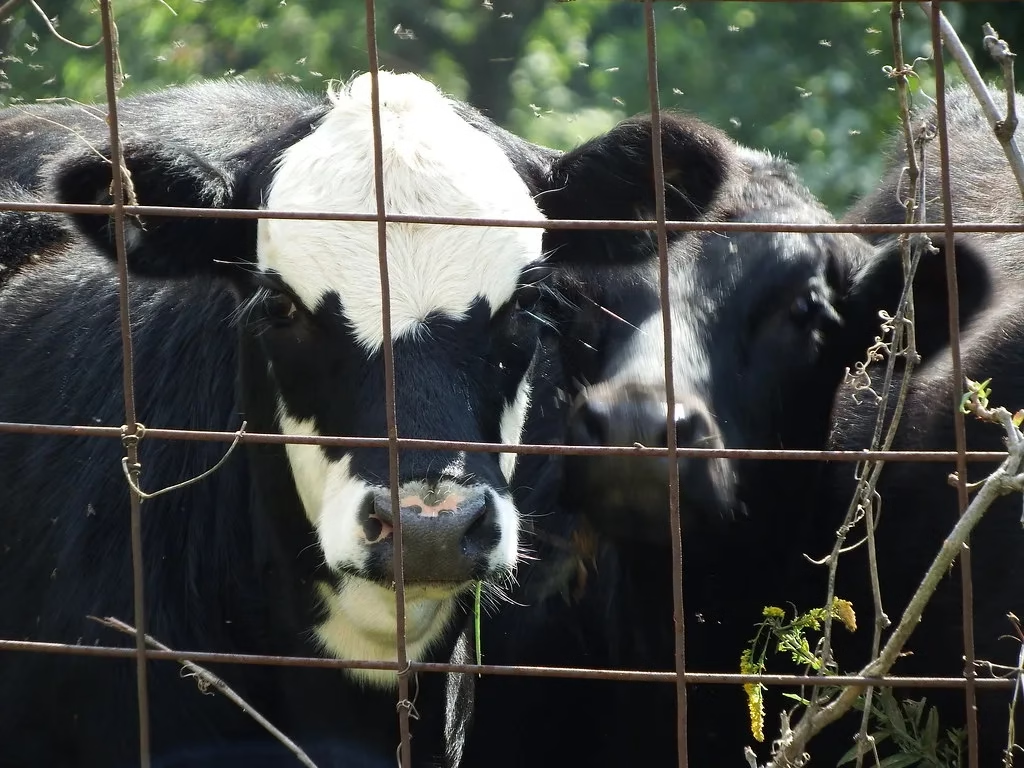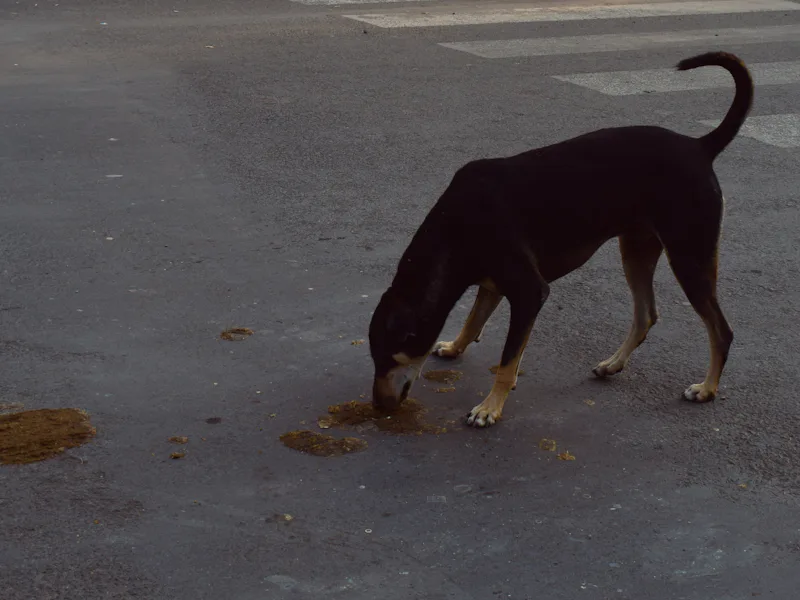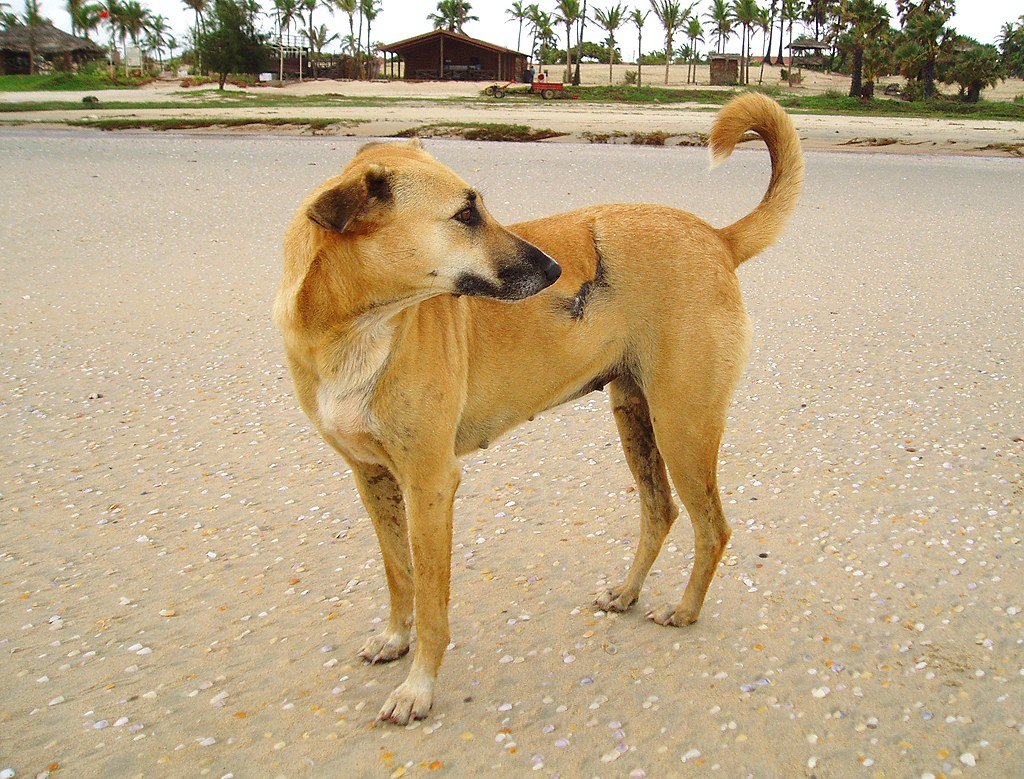
Found an injured animal? Keep yourself safe first: a hurt animal may bite. Call 1962 where your state runs it, or a vet or rescue group near you; call 112 if people are in danger. Keep the animal calm and shaded, and don’t give it food or water. Move it only if it is in danger where it is. These steps apply to dogs, cats, cattle and birds.
1. Keep yourself and the animal safe
- Approach slowly and speak softly. A frightened or injured animal may bite.
- Don’t put your face or hands near its mouth.
- If the animal is on a road, warn traffic. Move it only if you can do so safely.
2. Call for help
- Call 1962 for a Mobile Veterinary Unit, where your state runs it: see the 1962 helpline by state.
- Call a vet, an animal ambulance or a rescue group near you: find one in the Directory.
- For a street dog, you can also call your municipal corporation or local body.
- If the animal is on a road and people are in danger, call 112.
- All the numbers: who to call for an animal emergency in India.
An injured street dog
- A street dog that is hurt is no one’s property, so anyone can call for help. You don’t need to be its owner or feeder.
- Call an animal ambulance or rescue group near you from the Directory. Many cities have one that comes for dogs.
- Call 1962 too where your state runs it. It is mainly for cattle and other livestock, but some states send a unit for dogs.
- Your municipal corporation or local body is responsible for street dogs under the Animal Birth Control Rules, 2023. Its animal helpline can send its own van or a partner group.
- How to reach your local body, city by city: who is responsible for street dogs and how to reach them.
- Stay with the dog if you can, or note the exact place and a landmark, so the rescuers can find it.
- After treatment, a street dog goes back to the area it came from. That is the law under the ABC Rules, 2023.
3. While you wait
- Keep the animal calm and shaded. Keep people and traffic away.
- Don’t pull out objects stuck in a wound.
- If there is heavy bleeding, press a clean cloth on the wound.
- Food and water: see the next section.
4. Food and water
Based on veterinary first-aid guidance; call a vet first.
| If the animal | Then |
|---|---|
| may need sedation, an anaesthetic or surgery (a road accident, burns, deep wounds) | Don’t give food or water. |
| is in shock, collapsed or unconscious | Never give food or water: it can choke. |
| is a wild animal or bird | Don’t give food or water. |
| is alert and help is a long way off, in heat | Give small sips of water only if a vet or rescuer tells you to on the phone. |
When in doubt, ask the vet or rescuer on the phone and do what they say.
5. Moving the animal
- Move it only if it is in danger where it is.
- Slide it onto a flat board, a blanket or a towel, and keep its head and spine as straight and still as possible, especially after a road accident.
- A box with air holes works for a cat, a small dog or a bird.
- Call the clinic first so they are ready.
6. What rescuers will ask you
The exact place and a landmark, the time, what the injuries look like, and photos if you can take them.
7. If the injury was deliberate
Hurting an animal on purpose is a crime. See how to report animal cruelty and file an FIR.
Help in your city
Vets, animal ambulances and rescue groups, by district:
Mumbai · Delhi · Bengaluru · Pune · Kolkata · Hyderabad · Ahmedabad · Jaipur · Lucknow · Guwahati · Indore · Gurugram · Noida
Not listed? Find your district.
Birds and wild animals
Put an injured bird in a dark, quiet box with air holes, don’t feed it, and call a bird helpline: see the injured bird helplines by city. For other wild animals, call your state forest department.
This guide is general information, not veterinary advice. Call a vet first.
 By Animal Writes