

Rabies is 100% preventable. Know what to do in the first 15 minutes.
Once symptoms appear, rabies is nearly always fatal — yet prompt wound washing, same-day vaccination, and mass dog vaccination stop it completely.
- Wash any bite or scratch with soap under running water for 15 minutes
- Start the anti-rabies vaccine the same day — free at government hospitals
- Ask for RIG into the wound for every bleeding bite or deep scratch
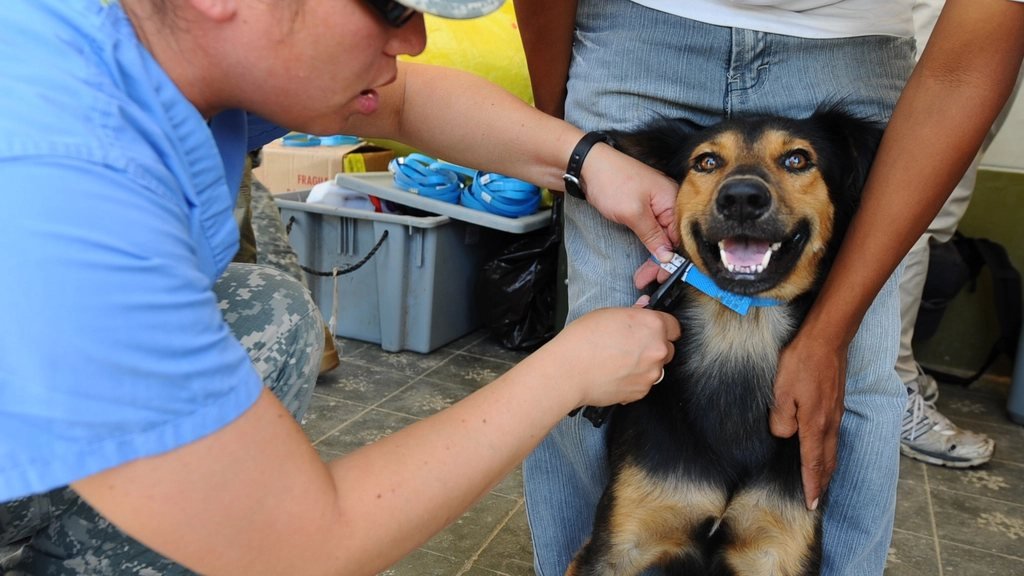
- Vaccinate and sterilise community dogs under ABC Rules, 2023
Why this matters in India
Rabies is almost always fatal once clinical symptoms start, but it is completely preventable if you wash the wound immediately and start post-exposure prophylaxis (PEP) on time. In India, dogs account for around 95% of human rabies cases, and every animal bite or scratch that breaks the skin should be treated without waiting.
Stopping rabies also protects street dogs. Under the Animal Birth Control Rules, 2023, healthy community dogs are sterilised, dewormed, vaccinated against rabies, and released back to their territory — culling or relocating dogs does not control rabies and violates the law.

Indian medical guidelines & law
Based on the National Centre for Disease Control (NCDC) National Guidelines for Rabies Prophylaxis (2019), WHO guidance, and the ABC Rules, 2023.
Exposure categories (I, II, III)
Category I (licks on intact skin): wash with soap and water; no vaccine needed. Category II (minor scratches or abrasions without bleeding): wash 15 minutes + start anti-rabies vaccine. Category III (bleeding bites, deep scratches, saliva on broken skin or eyes/mouth, or any wild-animal bite): wash 15 minutes + vaccine + Rabies Immunoglobulin (RIG).
Exposure categories (I, II, III)
India is stricter than WHO on RIG: NCDC 2019 requires RIG for all Category III exposures, and also for Category II exposures in immunocompromised patients. RIG should be infiltrated into and around every wound as soon as possible (up to day 7 after the first vaccine dose).
Approved vaccine schedules
Government hospitals provide two NCDC-approved schedules free under the National Health Mission: Intradermal (Updated Thai Red Cross 2-2-2-0-2) — 2 skin injections per visit on Days 0, 3, 7, and 28; or Intramuscular (Essen 1-1-1-1-1) — 5 doses on Days 0, 3, 7, 14, and 28.
Approved vaccine schedules
Day 0 is the date of the first vaccine dose — even if the bite happened days or weeks earlier, start immediately and finish every scheduled dose. Vaccine is given in the upper arm (deltoid), or anterolateral thigh in young children — never in the buttock.
Community dogs & ABC Rules, 2023
Rule 33(b) of the Animal Birth Control Rules, 2023 requires municipalities to sterilise, deworm, vaccinate against rabies, and release healthy community dogs back to the exact area where they were picked up.
Community dogs & ABC Rules, 2023
Dogs suspected of having rabies or showing severe clinical signs must be humanely isolated and never released back. Relocating or harming healthy community dogs breaks the law and disrupts vaccinated territories.
What to do immediately after a bite or scratch
Every minute counts. Follow these steps in order — do not wait to see if the dog stays healthy.
| Step | What to do (and avoid) |
|---|---|
| 1. Wash (15 min) | Flush gently under running tap water with soap for at least 15 minutes, then apply povidone-iodine or alcohol. Never apply chillies, turmeric, oil, lime, herbs, or soil. |
| 2. Leave open | Keep the wound open and uncovered — do not stitch or tightly bandage bite wounds immediately (unless life-threatening bleeding requires minimal loose sutures after RIG). |
| 3. Same-day PEP | Visit the nearest government hospital or anti-rabies clinic the same day for ARV (and RIG for Category III). Check tetanus status too. Never wait 10 days to observe the dog. |
| 4. Complete doses | Finish all 4 ID visits (Days 0, 3, 7, 28) or 5 IM doses (Days 0, 3, 7, 14, 28). Do not stop halfway even if the wound heals. |
Who to call
National Rabies Helpline: 15400 (16×7, select states) · Medical Emergency: 108 or 112 · Animal Rescue / Veterinary Helpline: 1962 or your municipal ABC centre. Find local animal helplines and NGOs in the Directory.
Questions about rabies after a bite
Does every dog bite cause rabies?
No, most dogs do not have rabies. However, in India NCDC guidelines treat every mammal bite or scratch that breaks the skin as potentially rabid — you cannot tell by looking at the animal, so wash the wound and start vaccination the same day.
What if the dog is vaccinated or a pet?
Start the anti-rabies vaccine anyway unless a doctor confirms a documented, up-to-date vaccination history and guides otherwise. NCDC warns that vaccination status cannot be presumed without proof.
What if it happened days, weeks, or months ago?
Go to a clinic anyway. The incubation period is typically 2–3 months (ranging from 1 week to 1 year or more), and NCDC guidelines state that anyone presenting late must still receive wound care and full PEP.
Is the anti-rabies vaccine free in India?
Yes. Both the anti-rabies vaccine (ARV) and rabies immunoglobulin (RIG) are provided free of cost at government hospitals and primary health centres under the National Health Mission Free Drug Initiative.
Do rat, mouse, or squirrel bites need the rabies vaccine?
Bites from domestic house rats and mice do not ordinarily need PEP in India, though you should still wash the wound and see a doctor for tetanus/infection care. PEP is needed if the bite happened in a forest area or if the animal could have been a mongoose or wild rodent.
Can a cat scratch or lick cause rabies?
Yes. Any scratch or abrasion from a cat or dog that breaks the skin (Category II or III), or saliva on broken skin, eyes, or mouth, requires immediate 15-minute washing and PEP.
Rabies guides & news
News stories
-
 PIBPolicy and Government
Woah pvs mission begins evaluation of India’s Aquatic Animal Health Services
-
-
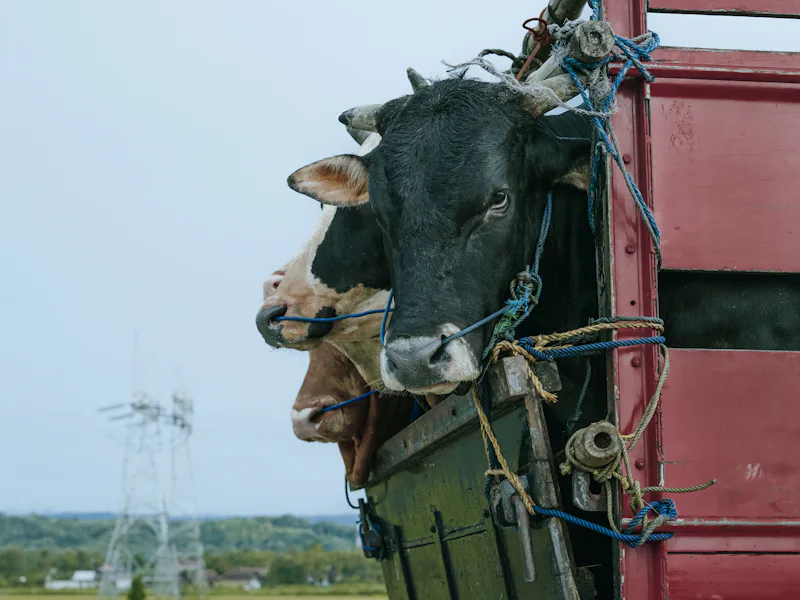
 Hub NewsAnimal Transport and Slaughter
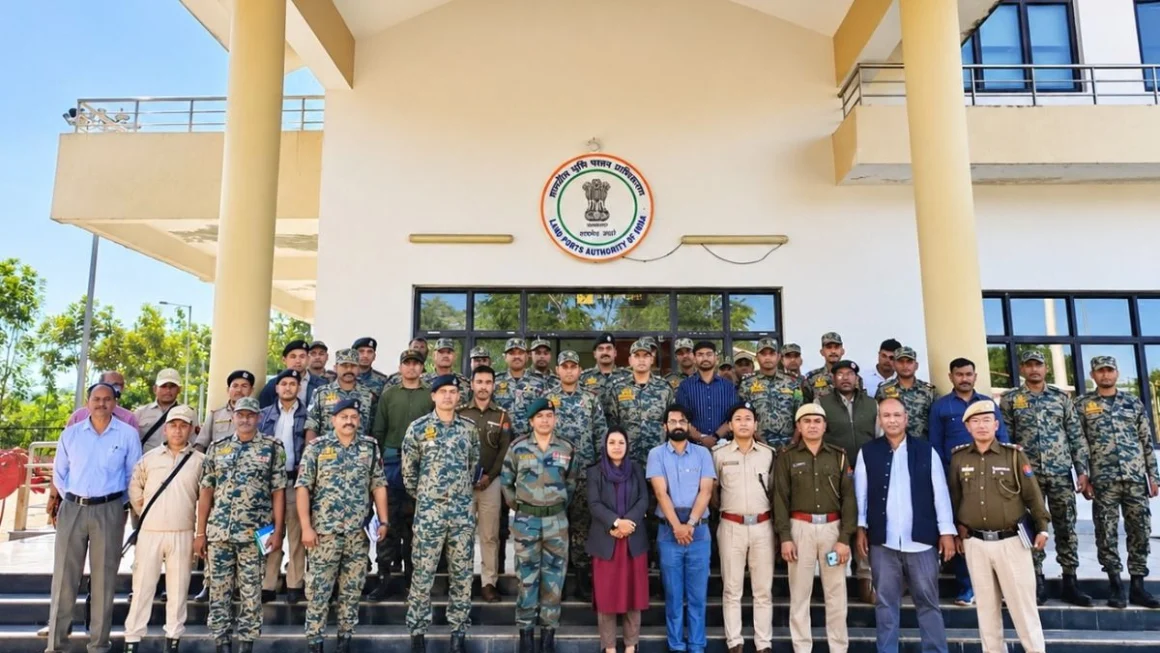
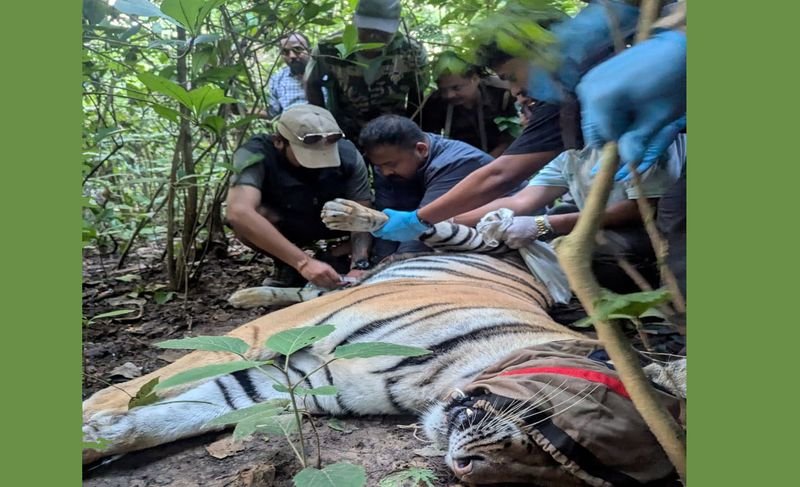
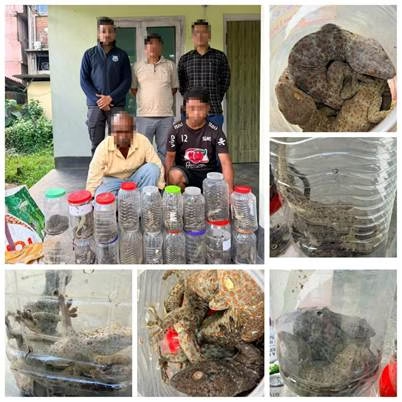
Moreh border emerges as key focus in Manipur’s fight against wildlife trafficking
-
 India Today NEAnimal Transport and Slaughter
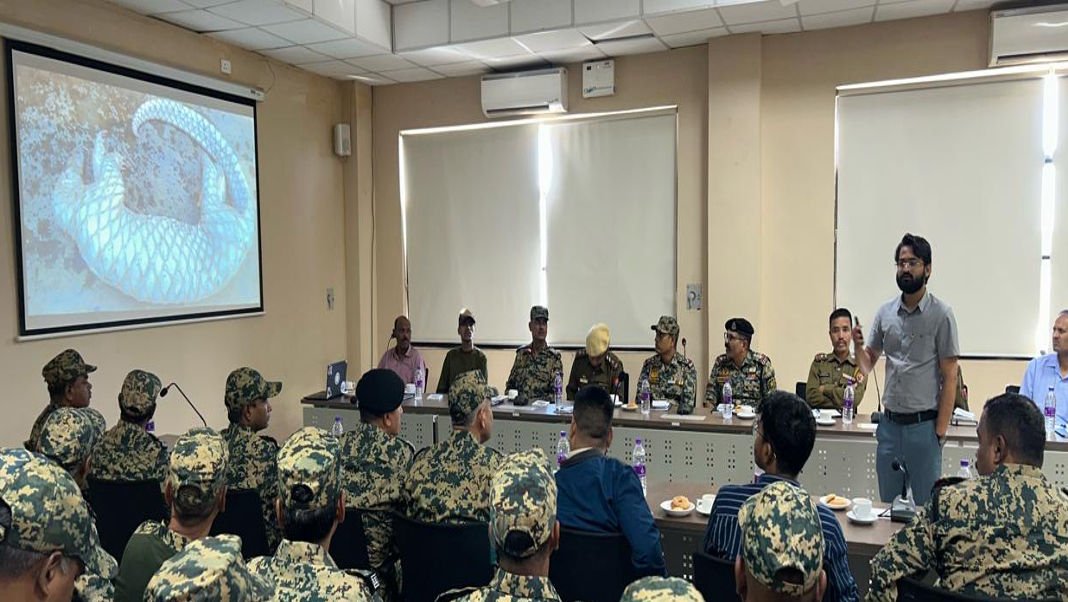
Manipur forest department, WTI hold inter agency meeting to combat wildlife trafficking along Indo Myanmar border
-
 HinduCattle and Gaushalas
Infectious diseases from free ranging domestic animals threaten Nilgiris wildlife
-
-
-
 HitavadaVeterinary Care
BTR emerging as vital habitat for wild elephants in MP
-
 LivemintPets, Breeding and Pet Shops
Paws, premiums, and the OPD puzzle: pet insurance offerings and gaps
-
-
 Daily ExcelsiorPets, Breeding and Pet Shops
Buxa’s tiger recovery plan runs into livelihood concerns
-
 TNIECommunity Dogs
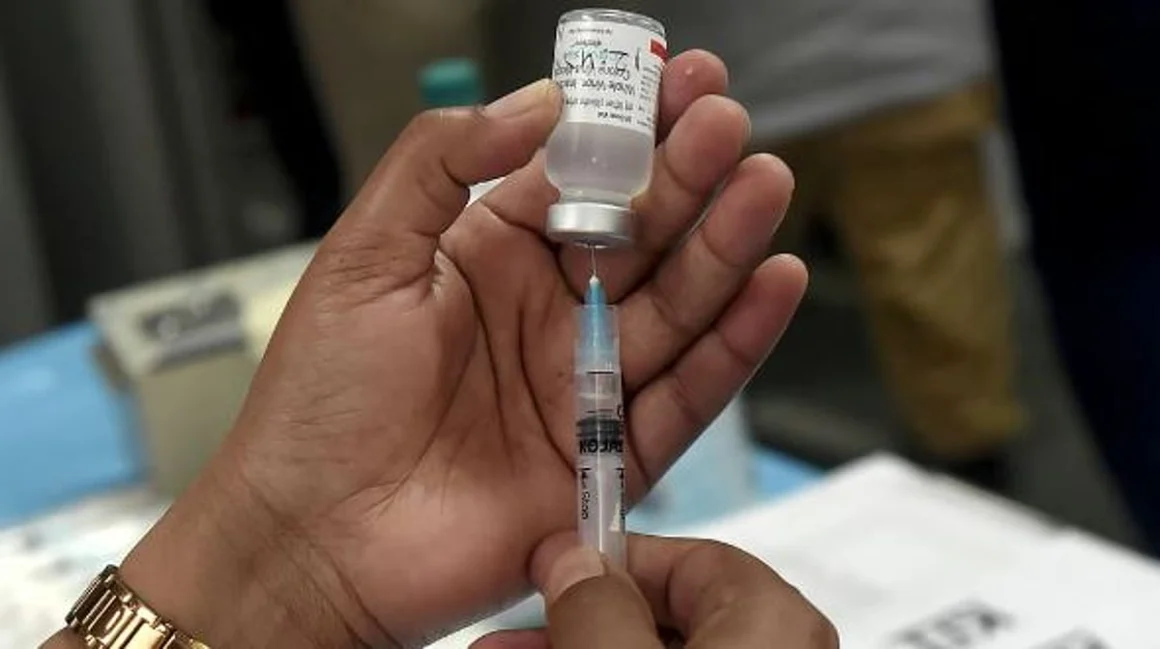
Bidder picked for anti rabies jabs
-
 DaijiworldAnimal Birth Control
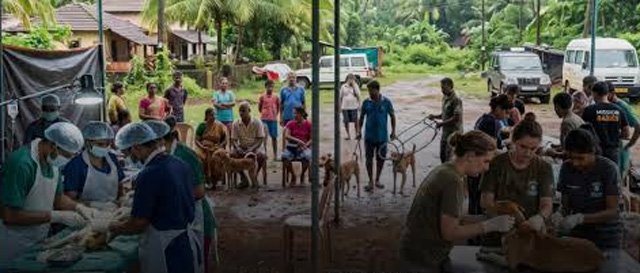
WVS, Mission Rabies sterilises 3,478 animals, vaccinate 3,964 in Goa














Primary sources & law
National Guidelines for Rabies Prophylaxis (NCDC/MoHFW), WHO Rabies Fact Sheet, and the ABC Rules, 2023 in our Library.
-

-

-

-
-
-
-
-
-
-
-
-

-

-
-

-

 Humane World for Animals
NAMs as an emerging Sunrise R&D Sector for India
-

-
-

-



Acts and Rules
- Administrative (Committee for Control and Supervision of Experiments on Animals) Amendment Rules, 2026
- Animal Birth Control Rules, 2023
- Bharatiya Nyaya Sanhita, 2023: section 325 (killing or harming an animal)
- The Biological Diversity Act, 2002
- Breeding of and Experiments on Animals (Control and Supervision) Rules, 1998 (amended 2001 and 2006)
- Constitution of India, Article 51A(g): compassion for living creatures
- Draft Prevention of Cruelty to Animals (Control and Supervision of Experiment, Breeding and Trading of Laboratory Animals) Rules, 2026 (GSR 864E)
- The Environment (Protection) Act, 1986
- New Drugs and Clinical Trials (Amendment) Rules, 2023 (non Animal testing methods)
- Performing Animals (Registration) Rules, 2001
- The Prevention of Cruelty to Animals (Application of Fines) Rules, 1978
- The Prevention of Cruelty to Animals (Care and Maintenance of Case Property Animals) Rules, 2017
- The Prevention of Cruelty to Animals (Dog Breeding and Marketing) Rules, 2017
- The Prevention of Cruelty to Animals (Establishment and Regulation of Societies for Prevention of Cruelty to Animals) Rules, 2001
- The Prevention of Cruelty to Animals (Pet Shop) Rules, 2018
- The Prevention of Cruelty to Animals (Regulation of Livestock Markets) Rules, 2017
- Prevention of Cruelty to Animals (Slaughter House) Rules, 2001
- Prevention of Cruelty to Animals (Transport of Animals on Foot) Rules, 2001
- The Prevention of Cruelty to Animals Act, 1960 (as amended in 1982)
- The Prevention of Cruelty to Draught and Pack Animals Rules, 1965
- The Recognition of Zoo Rules, 2009
- The Transport of Animals Rules, 1978
- The Wild Life (Protection) Act, 1972

Volunteer
Coordinate, write, rescue, design or help with legal work.
Run an organisation?
Claim your listing. Keep phone, hours and services updated. Free.
Get updates
News, important developments and practical guides — no spam.